Why Binnendüne Waltersberge stands out
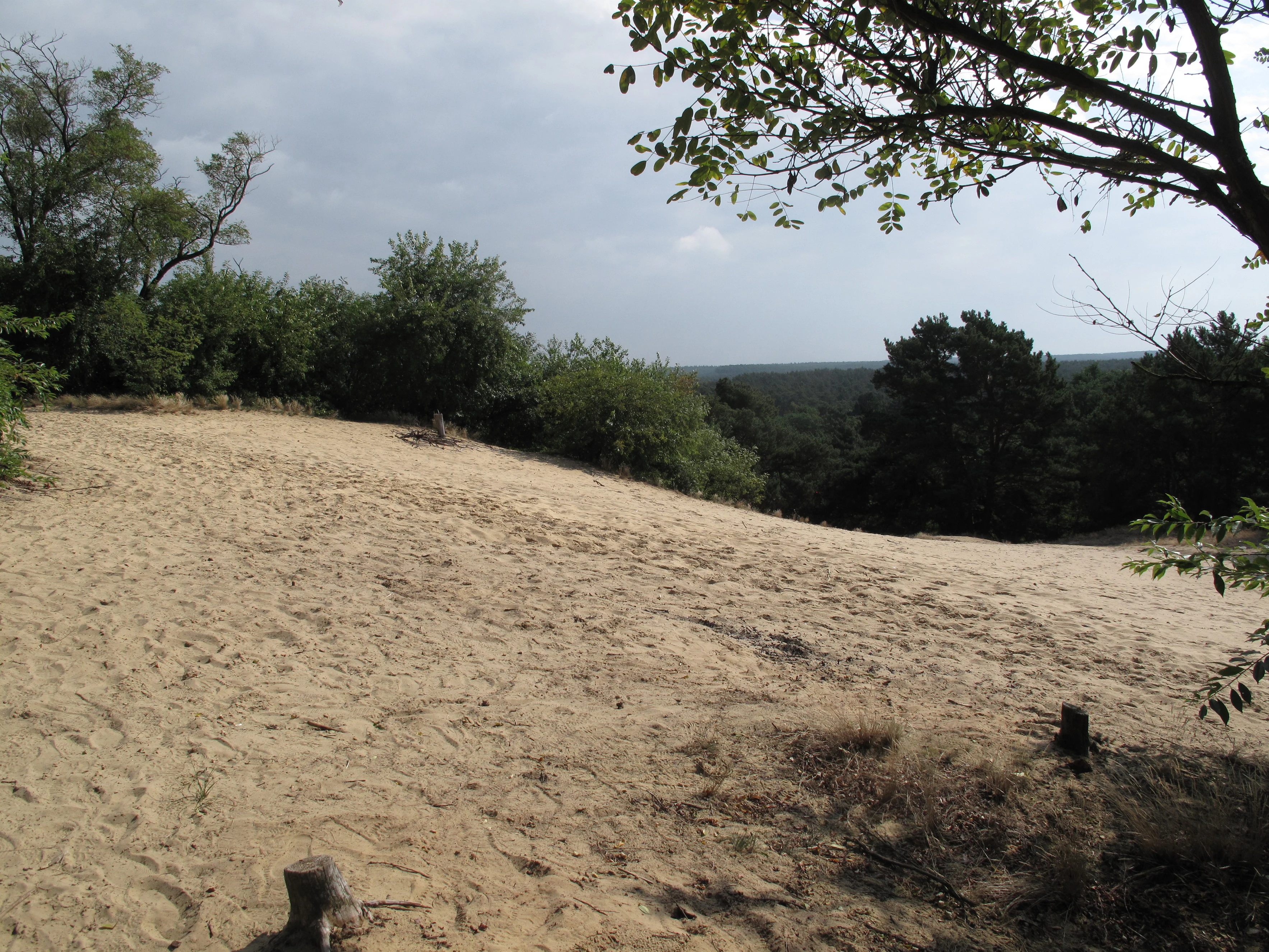
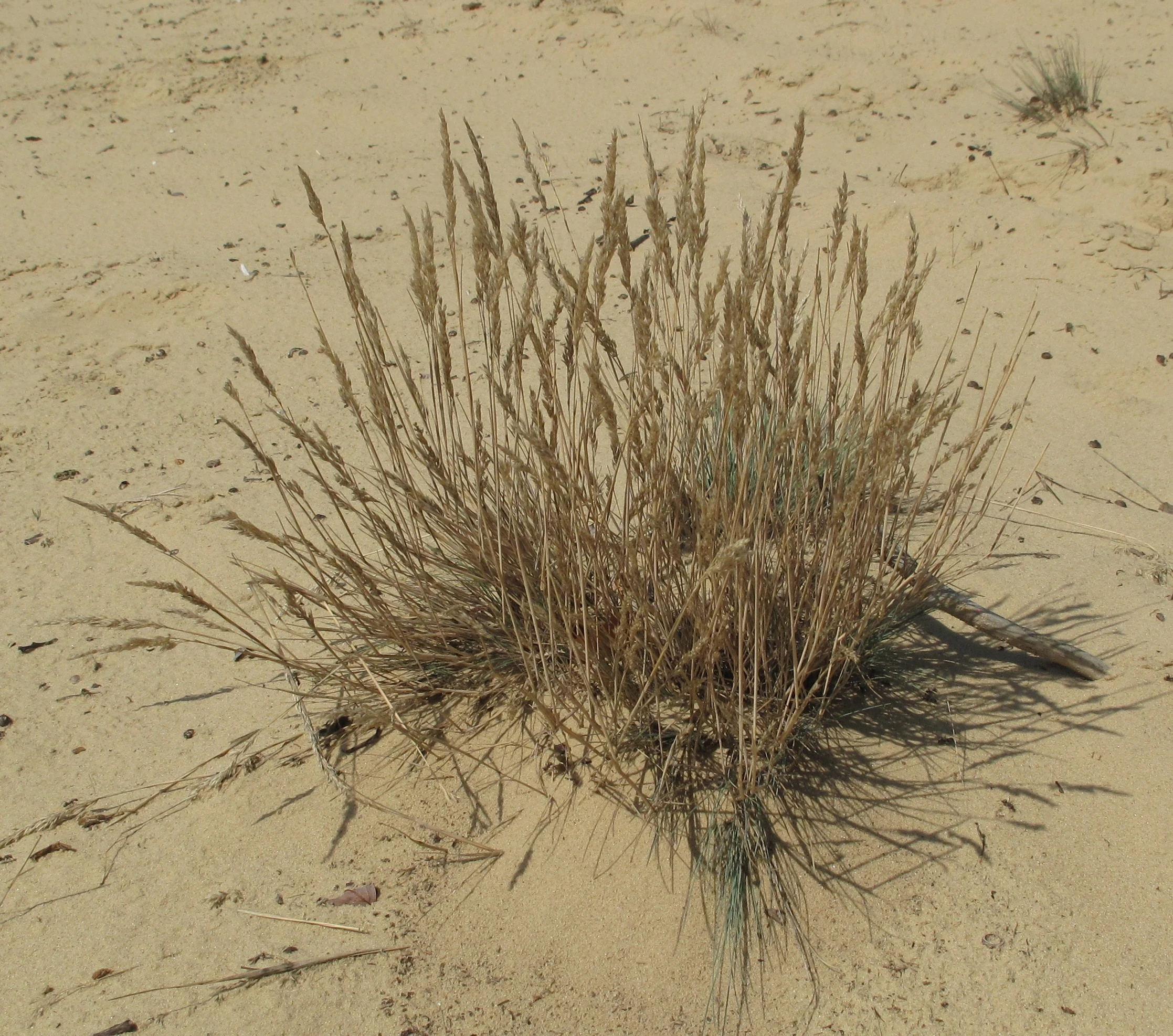
The site is best known as one of the most prominent inland dunes in Brandenburg, with a classic open sand habitat that supports psammophilic specialists like silvergrass, sand heather, and the ant lion, the latter serving as the reserve's unofficial mascot. The dramatic contrast between bare, sun-exposed sand, lichen-rich pine stands, and the cool lake edge makes it a textbook example of Brandenburg's post-glacial inland dune landscape.
Binnendüne Waltersberge history and protected-area timeline
The Binnendüne Waltersberge has been shaped by centuries of human use, beginning with grazing of the dry grasslands by old regional sheep breeds. Written records from 1493 mention a winemaker at Storkow, and from 1518 onward the dune is explicitly documented as a vineyard (Weinberg). At its peak around 1735, the Storkower Weinberg covered around 26 Morgen (about 6.6 hectares), and even by 1750 an annual harvest of eight casks of wine was recorded, before Brandenburg's wine-growing tradition declined.
In the 1730s, waterways around Storkow were opened up to float building timber to Berlin, and from 1768 the Prussian administration under Frederick the Great ordered afforestation of the region's sandy 'Sandschellen' with pine and birch. The Waltersberge were gradually planted with Scots pine, and by 1801 a forestry district of around 5,400 Morgen (roughly 1,400 hectares) existed around the dune.
The most intensive transformation came with the Storkow Calcsandstone Works (Kalksandsteinwerk), active from 1906 to 1944 and built directly into the dune's sand source. Bucket-chain excavators removed approximately 75,000 cubic metres of sand per year in the early years, later estimated to at least 300,000 cubic metres overall, supplying white bricks used in many Berlin buildings, including sections of the Berlin U-Bahn. By the early 2000s, only about a quarter of the dune's surface remained open sand, prompting major restoration work in 2010 and 2011 to halt succession and recover the open habitats that are central to the dunes's conservation value.
Binnendüne Waltersberge landscape and geographic character
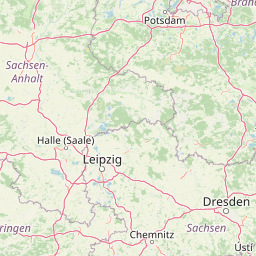
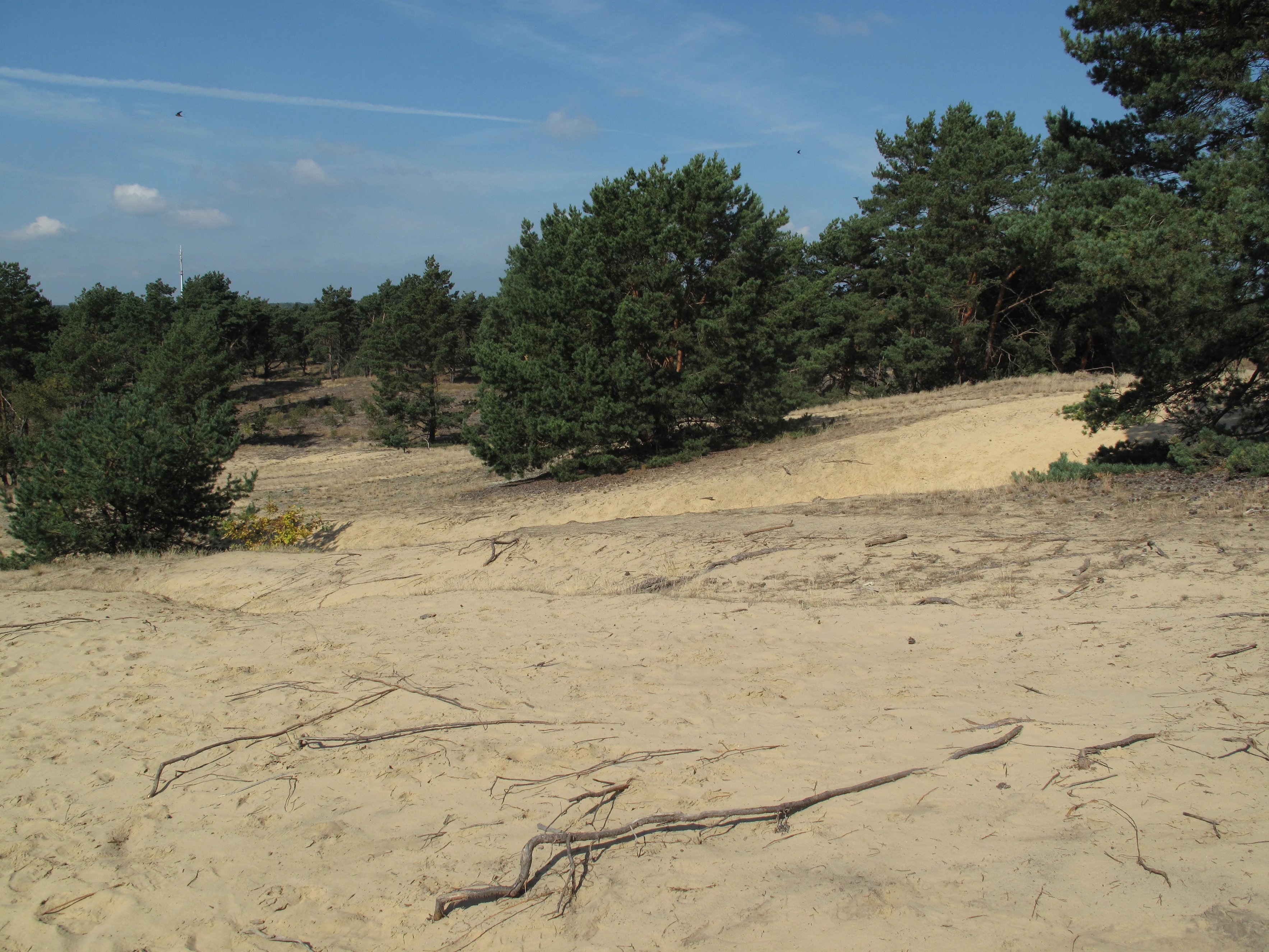
The Waltersberge rise as a wave-like inland dune north of the Großer Storkower See, with its highest point, the Storkower Weinberg, reaching roughly 69 metres above sea level, about 32 metres above the lake. The dune forms a sand-dominated ridge running through the Storkower Forst, dropping steeply to the Reichenwalder Straße on its lake-facing side and blending more gradually into the surrounding pine forest on the other slopes.
Geologically, the dune is part of the Storkower Talsandfläche at the western edge of the Storkower Platte, in the broader East Brandenburg Heath and Lake District natural area. Its sand is a glacial outwash relic of the Brandenburg stage of the Weichselian ice age. Compared with the wider, flatter Flugsandfelder of eastern and southern Brandenburg, the Waltersberge stand out as a more compact, dune-shaped accumulation.
The present-day landscape is a finely graduated mosaic. Sun-exposed south-facing slopes are open and bare, while cooler north-facing slopes and the ruderal edges carry mixed pine forest, lichens, and moss; remnants of wet meadows and reed beds persist toward the Hirschluch lowland to the northeast, connecting the dune to a wider pattern of lakes, moors, and sandy ridges typical of the region.
Binnendüne Waltersberge ecosystems, habitats, and plant life
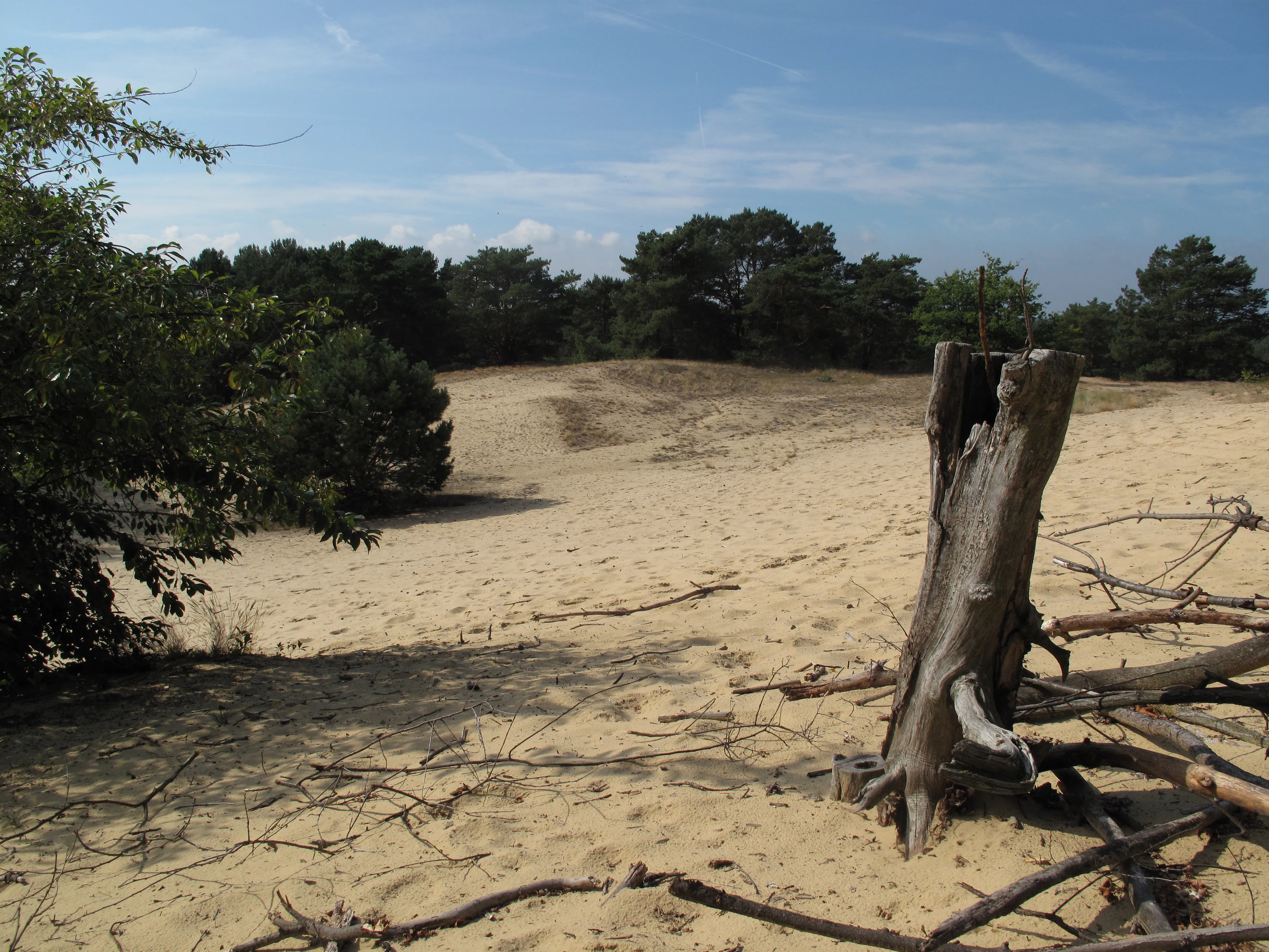
Ecologically, Binnendüne Waltersberge is defined by the contrast between very harsh, hot, dry sand surfaces and cooler forested edges. Surface sand temperatures can heat up to roughly 70 degrees Celsius during the day and drop sharply overnight, leaving only highly specialised plants and animals able to colonise the open areas. The site protects several habitat types listed under the EU Habitats Directive, including dry sand heaths with Calluna and Genista, open dune grasslands of Corynephorus and Agrostis, and subcontinental base-rich sandy grasslands.
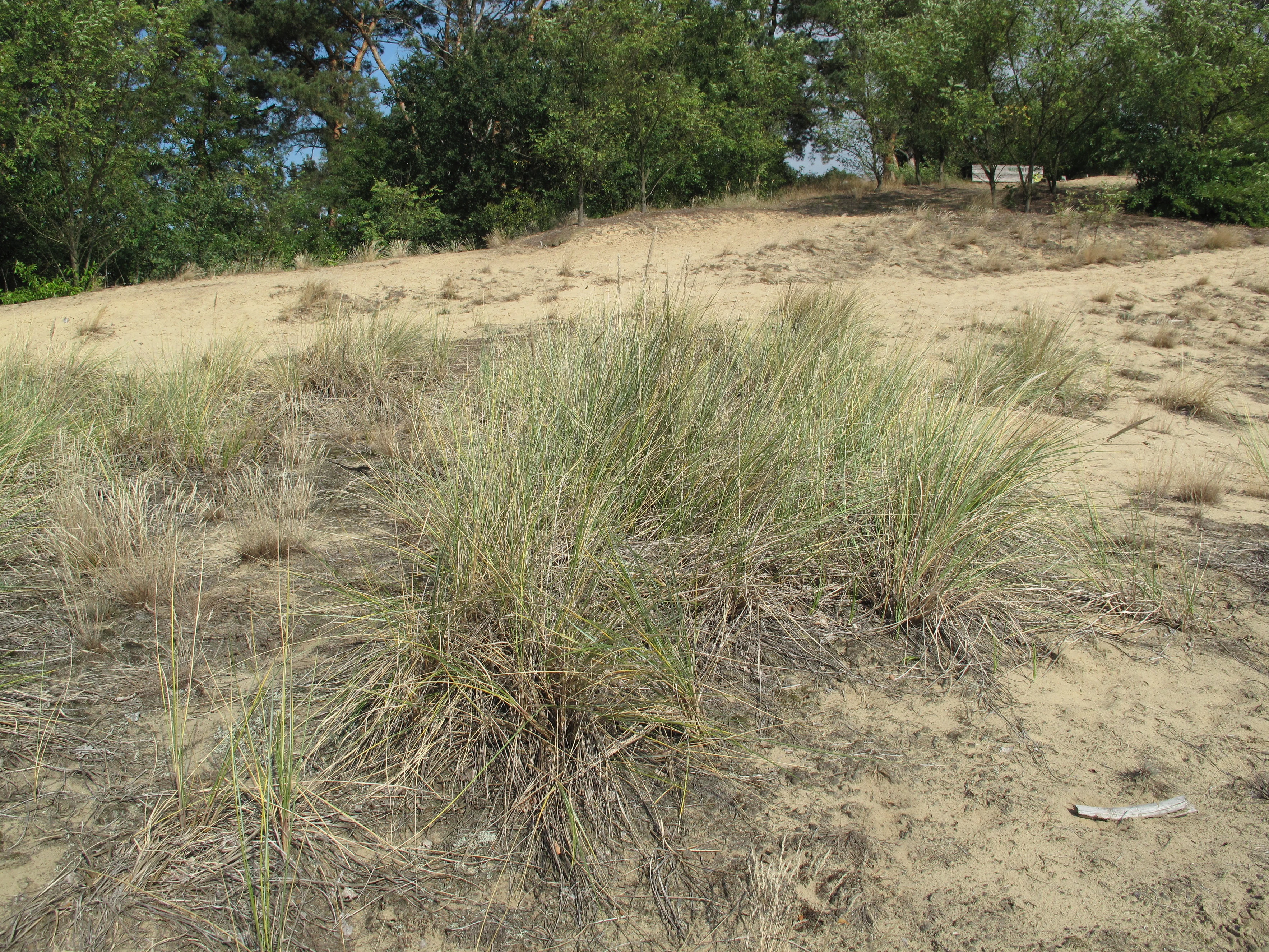
Despite its compact size, the dune supports an unusually varied set of plant communities: silvergrass and bent-grass tussocks, sand sedge with metre-long creeping rhizomes, sand fescue and blue-green koeleria, heather with broom, and pioneer colonies such as mountain sandbell and heath pink. Wet and ruderal edges hold remnants of alder-birch swamp, reed communities, peat mosses, marsh iris, and the regionally threatened wild calla, once Germany's 'Flower of the Year'.
Binnendüne Waltersberge wildlife and species highlights
Mammals are not the focus of the dune, but the open sand fauna is rich and highly specialised. The ant lion, the larva of the antlion fly and Germany's 'Insect of the Year 2010', is famously the unofficial mascot of the Waltersberge, recognised under the German federal species protection order. Its characteristic conical sand traps dot the open areas and form microhabitats that protect it from extreme heat.
The site also supports other sand-loving, often legally protected invertebrates, including the Walker beetle (the symbolic species of Naturpark Dahme-Heideseen), the field tiger beetle, sand wasps that nest in the loose sand, and grasshoppers such as the wart-biter and the large green bush-cricket. Reptiles include sand lizards, which are strictly protected under the EU Habitats Directive, and slow-worms. Roughly twenty bird species were recorded in 2010, mostly in the surrounding mixed woodland, while former open-sand specialists like the woodlark and tawny pipit have been lost since 1983 and may return if open areas continue to expand.
Binnendüne Waltersberge conservation status and protection priorities
Binnendüne Waltersberge is a formally protected nature reserve in Brandenburg and an FFH site within the Natura 2000 network (No. 3749-307), protecting characteristic inland dune habitat types of European importance. The Bundesamt für Naturschutz describes it as a largely shrub-free, open section of a larger inland dune complex with silvergrass and thrift swards, sheep's-fescue grasslands, thermophilic fringes, and lichen-rich pine forests.
Conservation concern grew sharply in the early 2000s, when only around a quarter of the area remained as open sand due to encroachment by pines, birches, black locust, aspen, and late-flowering cherry. Following a species survey in 2010, the Naturpark Dahme-Heideseen administration, the NABU regional branch, the Heinz Sielmann Foundation, the Brandenburg Naturwacht, the Bundesforst federal forest agency, and the town of Storkow coordinated thinning and clearing actions. These restored open sand areas and gave the reserve the conditions needed to host specialist species once again, including a chance of recovering lost open-sand bird species.
Binnendüne Waltersberge cultural meaning and human context
The Waltersberge have left a clear mark on local identity. The vineyard that once covered part of the dune is still echoed in the name Storkower Weinberg and in the 'Alter Weinberg' inn at the foot of the dune. The 2011 nature trail was formally named 'Martin-Graef-Weg' in honour of a Storkow farmer active in regional conservation from the post-war decades until 2007.
Sand from the dune also fed the industrial history of the region: the Storkow Kalksandsteinwerk, which operated from 1906 to 1944, supplied millions of white bricks to Berlin, including parts of the U-Bahn network, contributing to the famous expression that 'Berlin is built from the barge'. Today the dune forms part of stage 11 of the 66-Seen-Wanderweg regional hiking route and is featured in GEO Day of Biodiversity excursions and local nature education programmes.
Top sights and standout views in Binnendüne Waltersberge
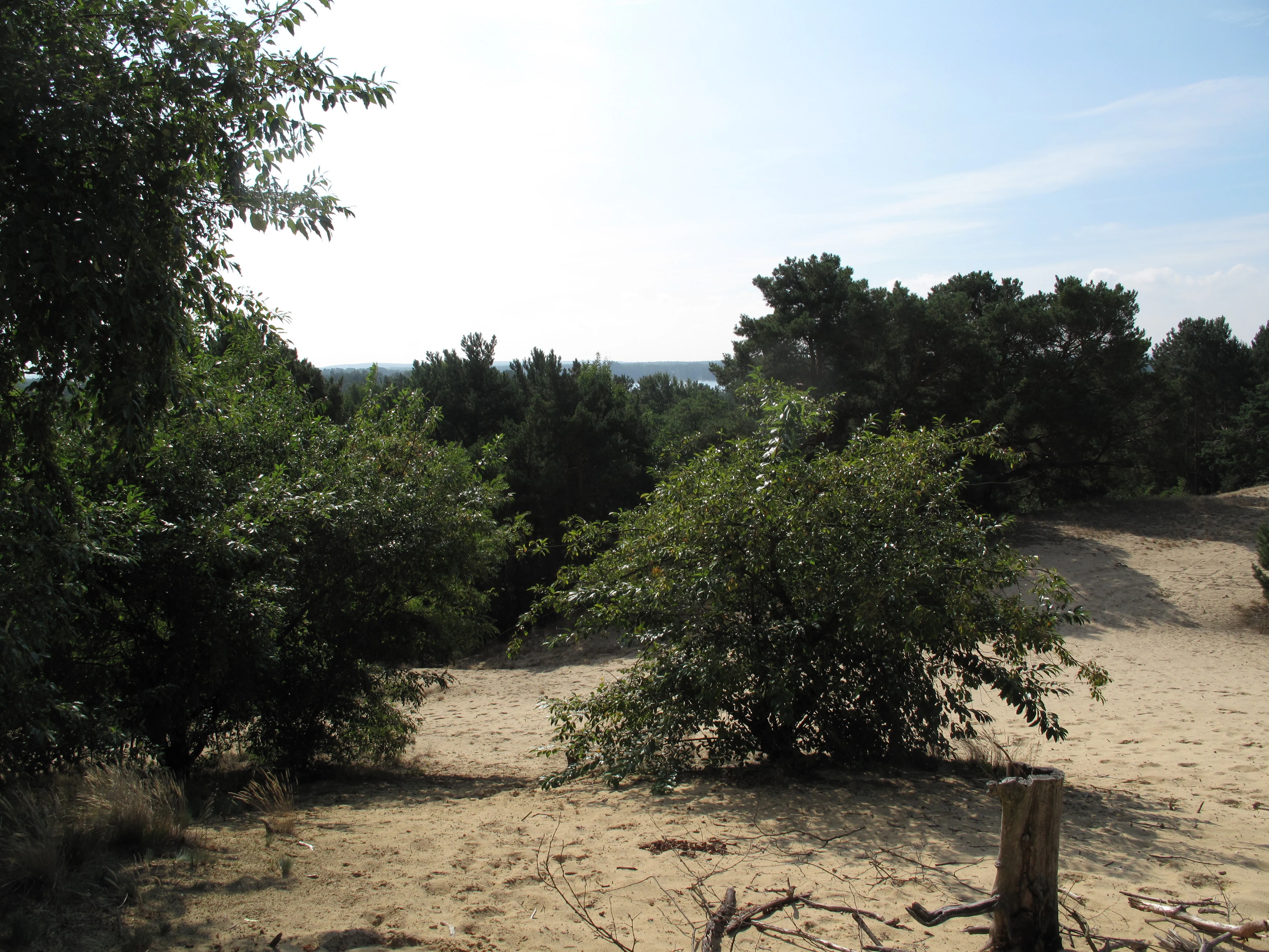
Among the Waltersberge's strongest points of distinction are its openness as an inland dune in a region where most sandy uplands have been forested for centuries, and its striking habitat gradients within a very small footprint. The ant lion, a designated Insect of the Year in Germany, is a charismatic flagship species and an immediate visual signal of the dune's conservation work.
Equally distinctive is the close juxtaposition of bare sand, lichen-pine forest, and relict wet-edge communities, together with its cultural depth: a documented vineyard history going back to 1518, an industrial sand-extraction legacy that shaped Berlin's built fabric, and a recent restoration programme that combined Bundeswehr assistance, civic groups, and a regional naturpark to revive the open sand landscape.
Best time to visit Binnendüne Waltersberge
Late spring and early summer are the most rewarding seasons to experience the open sand habitats, when silvergrass tussocks dominate the foreground, sand heaths begin to flower, and ant lion traps are most easily observed in sun-warmed bare sand. Summer highlights the dune's extreme microclimate, with baking surfaces and active reptiles and insects on the south-facing slopes.
Autumn brings rich moss and lichen communities into focus and softens the surrounding mixed forest, while winter offers a quieter impression of the dune's underlying structure and the broader Storkower lake-and-forest landscape. The Martin-Graef-Weg nature trail and broader stage 11 of the 66-Seen-Wanderweg are usable across these seasons, with warmer months offering the most complete view of the plant communities that define the reserve.