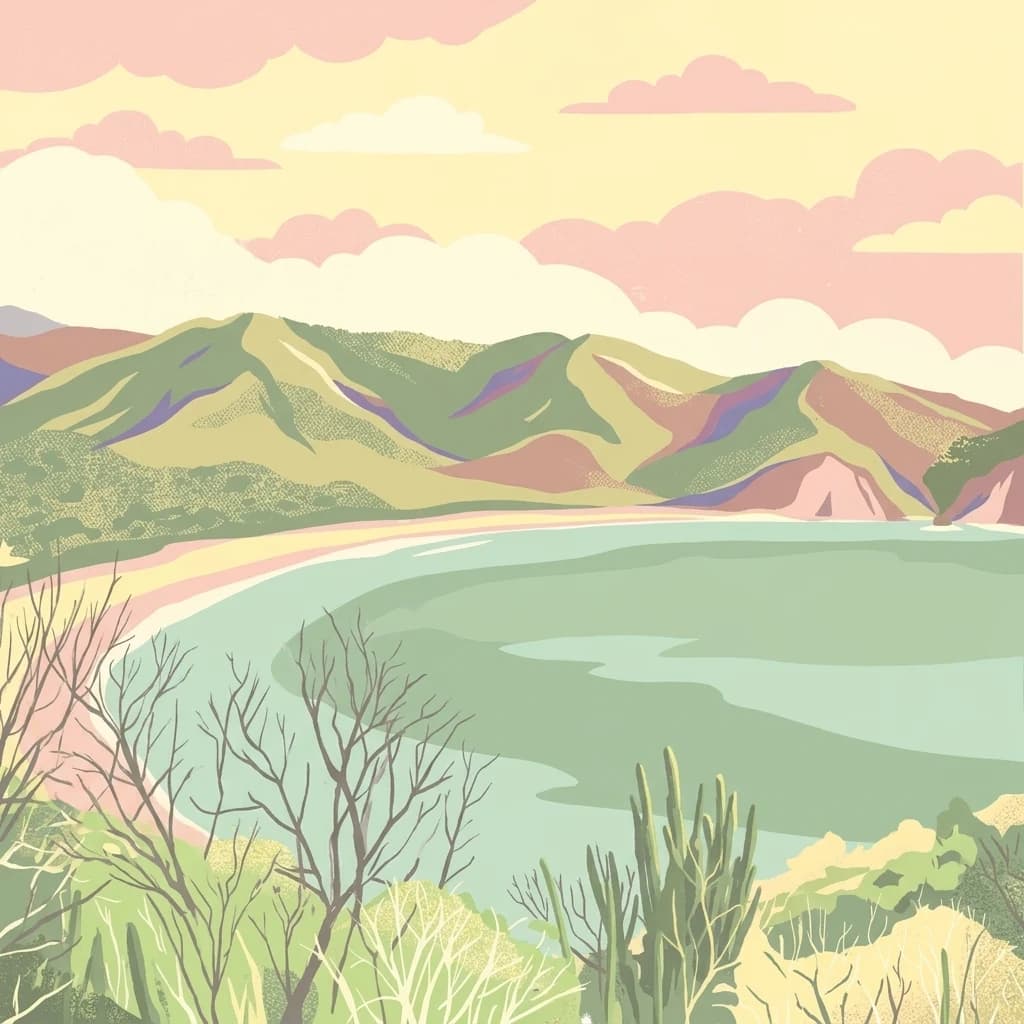
A flagship remnant of Ecuador's threatened Tumbesian dry tropical forest, just outside Guayaquil.
Bosque Protector Cerro Blanco
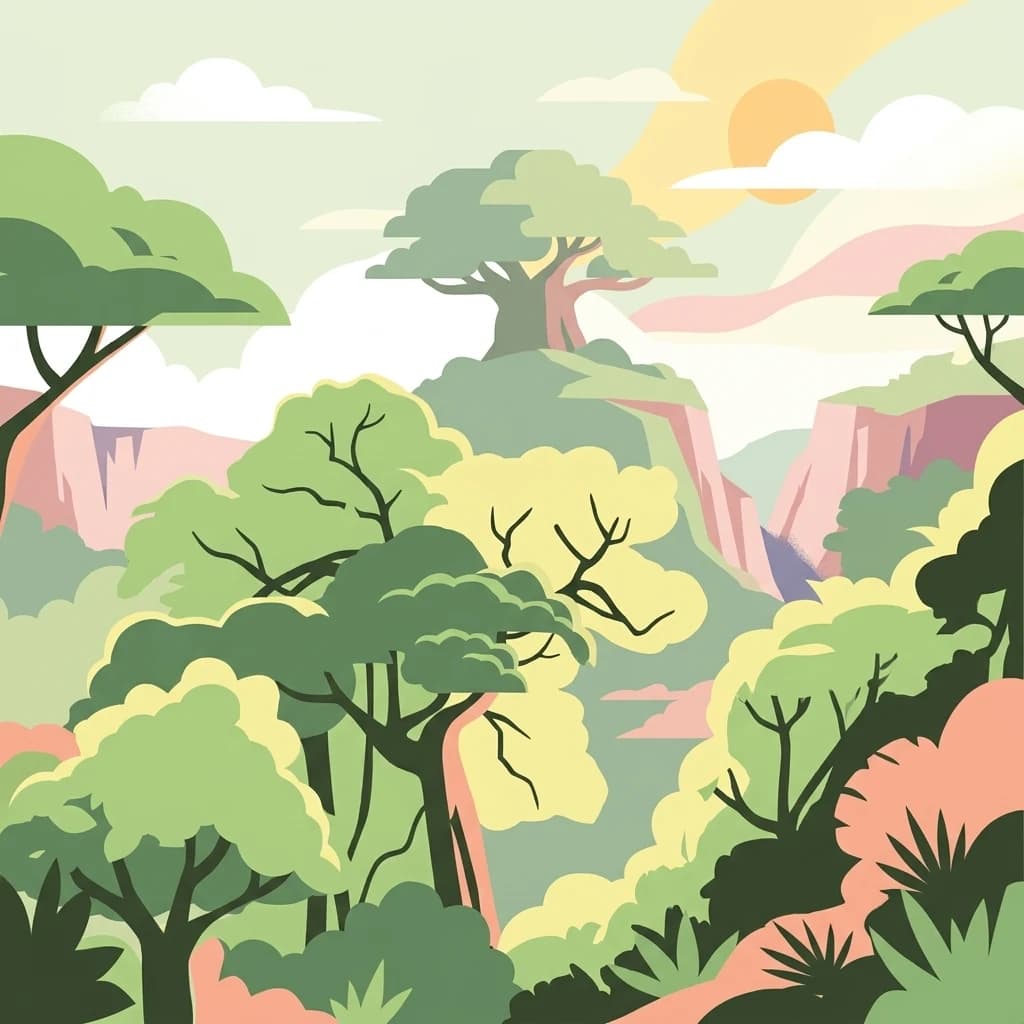
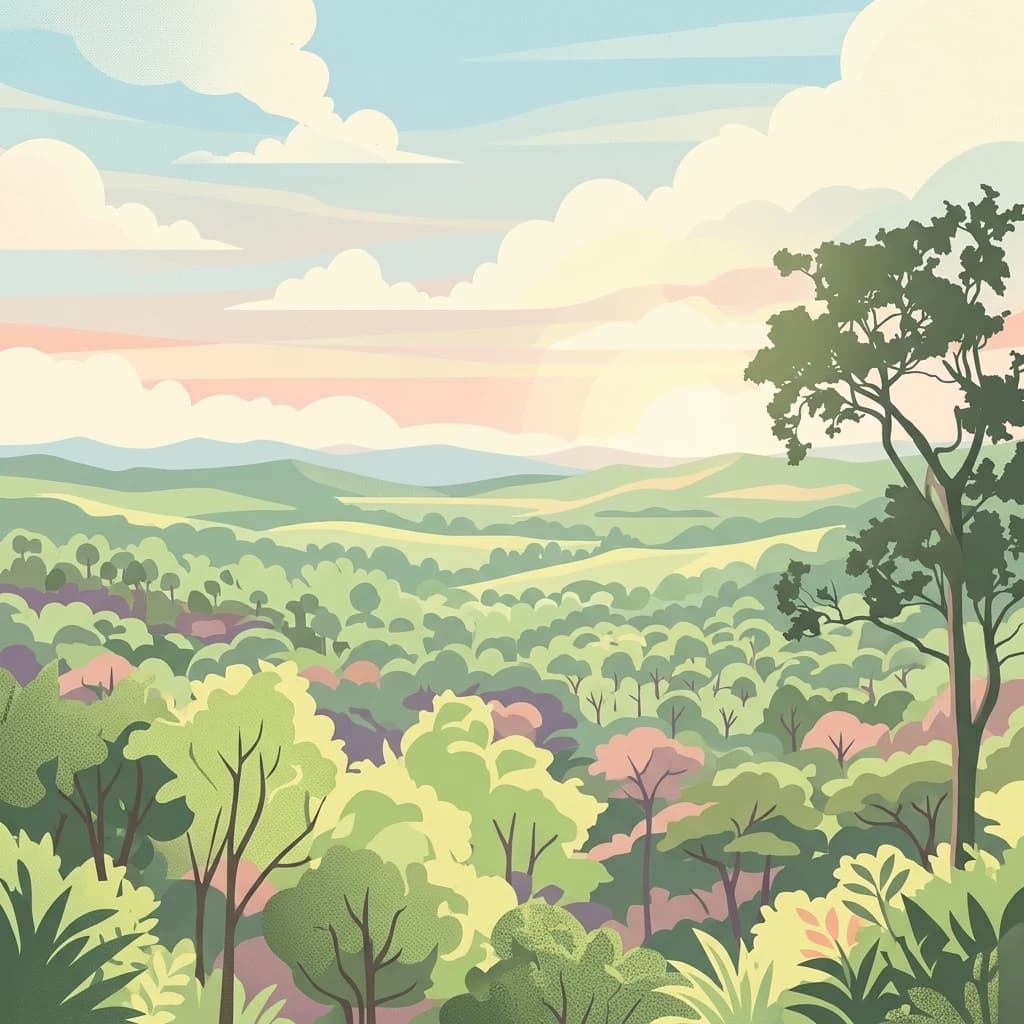
Bosque Protector Cerro Blanco is one of the largest and best-conserved remnants of tropical dry forest in Ecuador. It lies in the western part of the country, in the coastal region, within Guayas Province and the municipality of Guayaquil, forming part of the Chongón-Colonche mountain range. Established as a protected forest in 1992 and administered by Fundación Pro-Bosque on land owned by Holcim Ecuador, the reserve protects roughly 6,000 hectares of seasonally dry Tumbesian forest, an ecosystem that has been dramatically reduced elsewhere along the Ecuadorian coast.
The reserve is a regional stronghold for dry-forest biodiversity. It supports hundreds of bird species, including the critically endangered Guayaquil parrot, a coastal subspecies considered the natural symbol of the city找个 wad. The area also harbors mammals, reptiles, amphibians, and a rich community of vascular plants, many of them endemic to the Tumbesian dry-forest ecoregion. Beyond strict conservation, parts of the reserve host ecotourism activities and reforestation programs, making Cerro Blanco a working example of how industrial land ownership and biodiversity protection can coexist on Ecuador's threatened coastal landscape.
The park's proximity to one of Ecuador's largest cities gives it both conservation urgency and unusual public relevance. It functions simultaneously as a biodiversity refuge, an environmental education site for thousands of young visitors each year, and a green buffer against the urban and extractive pressures that have eaten away at surrounding dry-forest remnants.