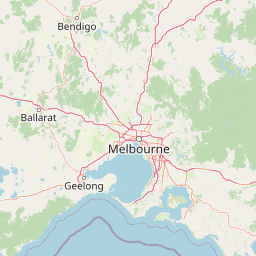
Why Bunurong Marine National Park stands out
Bunurong Marine National Park is best known for its exceptional marine biodiversity, with the highest recorded diversity of intertidal and subtidal invertebrates in eastern Victoria. The park supports 87 species of fish along with seastars, featherstars, crabs, snails, whales, and seals. The dramatic coastal landscape features the iconic Eagles Nest rock formation, a large coastal structure that resembles the top half of a map of Australia. The park is also renowned for its paleontological significance, being the site where Australia's first dinosaur bone the Cape Paterson Claw was discovered in 1903. Popular activities include rockpool rambling at Flat Rocks, snorkeling, and scuba diving among the diverse reef systems.
Bunurong Marine National Park history and protected-area timeline
Bunurong Marine National Park was established on 16 November 2002 as part of Victoria's marine protected area network. The creation of the park represented a significant milestone in the conservation of Victoria's marine biodiversity, providing formal protection to the waters along the South Gippsland coast that had been subject to various pressures from human activity. The park draws its name from the Bunurong Aboriginal people, who are recognized as the traditional owners of the land and water in this region. Historical records indicate that the Boakoolawal clan lived in the Kilcunda area south of the Bass River, while the Yowenjerre clan inhabited territory west of the Tarwin River along what is now the Bunurong Marine and Coastal Parks near Wonthaggi. Archaeological evidence of Aboriginal occupation persists along the coast in the form of middens containing charcoal and shellfish remains that mark the locations of ancient campsites. The park also holds significant paleontological heritage, as it was at Eagles Nest beach in 1903 that William Ferguson discovered Australia's first dinosaur bone, known as the Cape Paterson Claw. Subsequent excavations have yielded more than 6,000 bones and teeth representing small dinosaurs, mammals, birds, turtles, and fish, making the area one of Australia's most important dinosaur fossil sites.
Bunurong Marine National Park landscape and geographic character
The landscape of Bunurong Marine National Park is characterized by dramatic coastal rock formations and diverse underwater terrain. The most prominent feature is Eagles Nest, a large rock structure located adjacent to the coastline at the eastern end of the marine national park that has become an iconic visual element of the area. This distinctive formation is visible from shore and has even been noted to resemble the top half of a map of Australia. The park also encompasses extensive rockpools at Flat Rocks, where visitors can explore tide pools teeming with marine life. The underwater landscape includes intertidal reefs that are exposed at low tide, subtidal rocky reefs that remain submerged, algal gardens thriving in the cool temperate waters, and seagrass beds that provide important habitat for marine organisms. The coastal setting is relatively protected from harsh south-westerly ocean swells due to the influence of King Island in Tasmania, creating conditions that allow diverse marine communities to flourish while providing more accessible conditions for visitor activities such as snorkeling and diving.
Bunurong Marine National Park ecosystems, habitats, and plant life
The marine environment within Bunurong Marine National Park supports an exceptional diversity of marine life, representing the highest recorded diversity of intertidal and subtidal invertebrates in eastern Victoria. The protected waters contain a rich variety of habitats that support complex ecological communities, including intertidal reefs that are exposed during low tide, subtidal rocky reefs that provide permanent habitat for reef-dwelling species, algal gardens where diverse seaweed species thrive, and segrass beds that serve as important nursery and feeding areas for many marine animals. The range of seaweed species in the park is particularly large, contributing to the overall productivity and biodiversity of the marine environment. The cool temperate waters support characteristic southern Australian marine communities that differ significantly from the tropical and subtropical waters found along Australia's northern coasts. These temperate marine ecosystems are characterized by high levels of endemism, with many species found nowhere else in the world.
Bunurong Marine National Park wildlife and species highlights
Bunurong Marine National Park supports an impressive array of marine animal life, with 87 species of fish recorded within its waters along with numerous invertebrate species. The park is home to various seastars and featherstars that inhabit the reef systems, as well as diverse crab and snail populations that occupy the various marine habitats. Larger marine vertebrates including whales and seals are also present in the waters, leveraging the protected areas as feeding and resting grounds. The intertidal zones support dense communities of invertebrates that are visible during low tide, while subtidal areas provide habitat for fish and larger mobile species. The combination of reef habitats, seagrass beds, and algal gardens creates a mosaic of environments that support different species at various life stages, contributing to the overall ecological productivity of the protected area. The exceptional invertebrate diversity, particularly in the intertidal and subtidal zones, represents a significant conservation value for the park.
Bunurong Marine National Park conservation status and protection priorities
Bunurong Marine National Park plays a crucial role in the protection of Victoria's marine biodiversity along the southern coast. The park provides formal protection to a representative sample of cool temperate marine ecosystems that would otherwise face pressures from commercial and recreational activities. Within the boundaries of the marine national park, it is prohibited to kill or take any living or dead matter, meaning that fishing, shell collecting, and the taking of any sea or land creatures is not permitted. This strict protection distinguishes the national park from the adjacent Bunurong Marine Park, where recreational fishing with a rod remains permitted. The high diversity of invertebrates and fish recorded in the park, along with the presence of significant habitat types including reefs, seagrass beds, and algal gardens, demonstrates the conservation value of this protected area. The park also contributes to the broader network of marine protected areas along Victoria's coast, working in conjunction with the adjacent Bunurong Marine and Coastal Park to provide a comprehensive conservation framework for the region.
Bunurong Marine National Park cultural meaning and human context
Bunurong Marine National Park is situated within the traditional Country of the Bunurong Aboriginal people, who are recognized as the traditional owners of the land and water in this region. The Bunurong people maintained custodianship of this stretch of coast for thousands of years prior to European settlement, with archaeological evidence of their occupation visible in the form of shell middens and campsite remnants along the shoreline. The Boakoolawal clan lived in the Kilcunda area south of the Bass River, while the Yowenjerre clan inhabited territory west of the Tarwin River in the area that now includes the Bunurong Marine and Coastal Parks near Wonthaggi. These traditional connections continue to hold cultural significance for the Bunurong people today, and the naming of the park after this Aboriginal group acknowledges the deep historical relationship between the traditional owners and the coastal environment. The park also holds paleontological significance through the discovery of Australia's first dinosaur bone at Eagles Nest beach in 1903, linking the natural history of the area to both Aboriginal and scientific narratives.
Top sights and standout views in Bunurong Marine National Park
The Bunurong Marine National Park offers visitors dramatic coastal scenery centered around the iconic Eagles Nest rock formation, a striking geological feature that has become synonymous with the area. The Flat Rocks area provides accessible rockpool exploration opportunities, while the clear waters and diverse reef systems make the park a popular destination for snorkeling and scuba diving enthusiasts. The exceptional marine biodiversity, with the highest invertebrate diversity in eastern Victoria, creates compelling underwater environments for nature enthusiasts. The paleontological heritage represented by the Cape Paterson Claw discovery and subsequent dinosaur excavations adds a unique historical dimension to the park's appeal. The connection to Bunurong Aboriginal culture provides additional context for understanding the long history of human engagement with this coastal landscape.
Best time to visit Bunurong Marine National Park
The Bunurong Marine National Park can be visited throughout the year, though conditions vary with Victoria's temperate climate. Summer months typically offer warmer air temperatures and more comfortable conditions for beach activities and rockpool exploration, while the marine environment remains cool year-round due to the temperate waters. Winter visits may offer calmer conditions and the opportunity to observe seasonal marine life movements. The intertidal reef exposures and rockpool accessibility are influenced by tide cycles, so visitors interested in exploring these areas should check tide schedules in advance. Snorkeling and diving conditions are generally better during calmer weather periods when water visibility improves. The park's popularity means peak visitation occurs during summer holidays, so those seeking a quieter experience might consider visiting during shoulder seasons.