Why Burren National Park stands out
Burren National Park is best known for its extraordinary karst landscape, one of the finest examples of karst terrain in Ireland and a site of significant geological interest. The limestone pavement, with its distinctive clints and grikes, represents a rare glacial relic shaped during the last Ice Age. The park also protects a unique ecological environment where Arctic-alpine and Mediterranean plant species coexist in an unusual botanical combination, a feature that distinguishes the Burren from other protected landscapes in Western Europe. The visual character of the terrain, with its stark exposed limestone, hidden valleys, and mosaic of habitats, makes it one of Ireland's most visually distinctive protected areas.
Burren National Park history and protected-area timeline
Burren National Park was established in 1991 when the Irish government designated a portion of The Burren region for national park status. The creation of the park reflected growing recognition of the region's unique geological and ecological significance within Ireland's protected area network. Prior to national park designation, the land had been subject to varying forms of protection and management, though the formal establishment of Burren National Park consolidated conservation efforts under the National Parks and Wildlife Service framework.
The establishment of the park came during a period when Ireland was expanding its network of protected areas, with the Burren representing a landscape type that had not previously been adequately represented in the national park system. The selection of this particular area for protection acknowledged both its scientific importance and its cultural heritage, as the Burren landscape has been shaped by human activity over millennia, including evidence of prehistoric settlement and agricultural use that has influenced the terrain's current character.
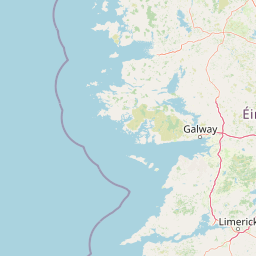
Burren National Park landscape and geographic character
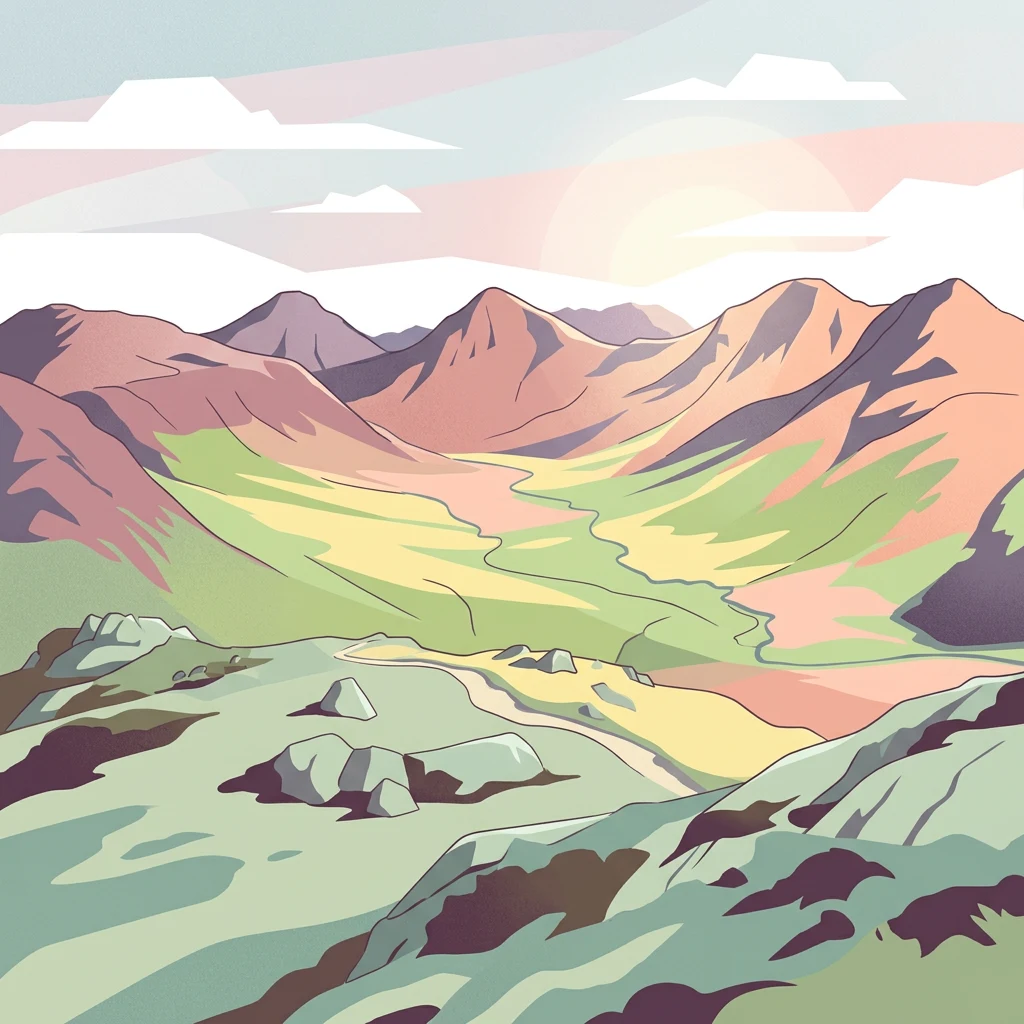
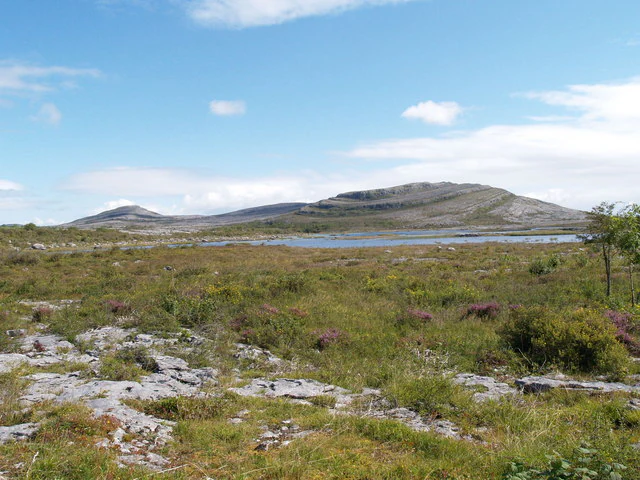
The landscape of Burren National Park is dominated by karst terrain resulting from the dissolution of limestone bedrock by acidic rainwater. The most striking feature is the limestone pavement, a terrain of flat, exposed rock broken into blocks known as clints, separated by fissures called grikes. This pavement results from the weathering and removal of soil cover that once overlay the limestone, exposing the bedrock surface. The depth and pattern of grikes vary across the park, creating a distinctive texture visible across the landscape.
Within this rocky terrain, visitors encounter a complex topography of hills, valleys, and depressions. The underlying cave systems and solutional features mean that the surface landscape is closely linked to subsurface hydrology. Streams that appear on the surface may suddenly disappear into swallow holes, flowing underground before emerging elsewhere. The park includes areas of blanket bog, heath vegetation, and grassland, with the distribution of these habitats reflecting local variations in soil depth, drainage, and exposure. The visual impression is of a stark, sculptural landscape where bare limestone alternates with pockets of vegetation in a pattern that distinguishes The Burren from any other landscape in Ireland.
Burren National Park ecosystems, habitats, and plant life
The ecological character of Burren National Park is defined by the interaction between the karst geology and the local climate, producing habitat conditions that support an unusual assemblage of plant species. The Burren is renowned among botanists for supporting species that typically occur in widely separated climatic zones. Arctic-alpine plants such as mountain avens and dwarf gentian grow alongside Mediterranean species including spring gentian and pyramidal orchid, all within the same landscape.
The habitat types within the park include calcareous grassland, heath communities, and patches of blanket bog. The grassland areas, where soil has accumulated in grikes and hollows, support a diverse flora including many rare and locally distributed species. The heath vegetation occurs on deeper soils and on north-facing slopes where moisture is retained longer. The mosaic of habitat types, combined with the microclimatic effects created by the limestone terrain, results in an ecological complexity far exceeding what might be expected from such a seemingly inhospitable landscape. This botanical diversity represents one of the park's most significant natural values and a primary justification for its protection.
Burren National Park wildlife and species highlights
The wildlife of Burren National Park reflects the park's position in western Ireland and the diversity of habitats present within its boundaries. The limestone grasslands and heath communities support populations of small mammals that in turn provide prey for raptors and other predatory birds. The park's location along the west coast of Ireland places it within important bird migration routes, with various species using the area as a seasonal habitat.
The cave systems and karst features provide sheltered habitats for several species associated with underground environments. The traditional farmland surrounding the park, and the patterns of pastoral use that have shaped the landscape over centuries, also contribute to the overall wildlife value of the broader Burren region. While the park is not primarily known for large mammalian species, the invertebrate fauna of the limestone grasslands is of particular interest, with several species of concern occurring in the area due to the specific habitat conditions the karst terrain provides.
Burren National Park conservation status and protection priorities
Burren National Park was established to protect a landscape and ecological system that is both nationally and internationally significant. The karst landscape represents a rare habitat type in Ireland and Western Europe, and its preservation ensures that the geological and ecological processes that shape this terrain continue to function within a protected context. The botanical significance of The Burren, with its unique combination of plant species from different climatic zones, has been recognized as a matter of conservation importance for many decades.
The management of the park involves maintaining the conditions that support its ecological and geological values while allowing for appropriate public access and enjoyment. This includes managing vegetation to prevent succession that would obscure the limestone pavement, and maintaining the traditional pastoral patterns that have helped shape the current landscape character. The park exists within a broader context of landscape conservation in the Burren region, where various initiatives have worked to balance agricultural use, conservation, and tourism in ways that sustain the features that make the area distinctive.
Burren National Park cultural meaning and human context
The Burren landscape has been shaped by human activity over several millennia, with evidence of prehistoric settlement in the region dating back to the Neolithic period. The landscape's current character reflects centuries of pastoral use, with the distinctive limestone walls that divide the terrain serving as evidence of field systems that have been maintained and modified over generations. These walls, constructed from locally gathered stones, are integral to the visual identity of the Burren and represent a traditional approach to land division and livestock management.
The region has also been significant in Irish cultural and religious history, with early monastic settlements established in the area during the early medieval period. The interaction between human communities and this challenging landscape has produced a cultural heritage that is deeply interwoven with the physical environment. The maintenance of traditional land use practices, particularly the seasonal grazing patterns that have been practiced in the Burren for generations, continues to influence the ecological character of the area and represents a form of cultural landscape management that has shaped the park's present appearance.
Top sights and standout views in Burren National Park
The limestone pavement of Burren National Park stands as the park's most visually striking feature, a landscape of international geological significance that offers visitors a glimpse into natural processes operating over millions of years. The unusual combination of Arctic-alpine and Mediterranean plant species growing in close proximity represents a botanical phenomenon that distinguishes The Burren from any other landscape in Ireland. The park's compact size makes it accessible for exploration while preserving a landscape of considerable scientific and aesthetic value. The panoramic views from the park's higher ground across the karst terrain below provide one of Ireland's most distinctive wilderness experiences.
Best time to visit Burren National Park
The Burren can be appreciated throughout the year, with each season offering a different perspective on the landscape. Spring and early summer bring the flowering of the park's distinctive flora, with the BotanicalGarden and herb-rich grasslands reaching their peak during May and June. The weather during these months can be variable, with showery conditions common but also periods of clear skies and warm sunshine that allow for extended exploration. Autumn offers a different character, with the heath and bog vegetation taking on autumnal colors and the landscape generally quieter as peak visitor season draws to a close. Winter, while often wet and windy, can reveal the landscape in stark simplicity, with the bare limestone at its most dramatic under overcast skies or when occasional snow dusts the higher ground.