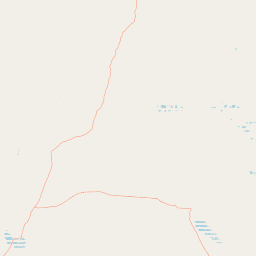
Why Collier Range National Park stands out
Collier Range National Park is best known for its dramatic ridgeline and cliff formations that create a mountainous character unusual in the generally flat Pilbara landscape. The park protects significant populations of the Pilbara Pebble-Mound Mouse, a small mammal whose distinctive pebble-mound nesting behaviour makes it a particular focus for conservation attention. The mulga woodland habitats within the park serve as critical refuges for several threatened mammal species including the greater bilby and mulgara, both of which have suffered extensive range contractions across northern Australia. The contrast between the rugged, cliff-lined ranges and the spinifex-dominated plains creates a visually distinctive landscape that distinguishes this park from other Pilbara protected areas.
Collier Range National Park history and protected-area timeline
Collier Range National Park was established in 1978 through formal declaration under Western Australian legislation, creating protected status for the Collier Range area within the broader Pilbara region. The establishment of the park occurred during a period of increased environmental awareness in Australia during the 1970s, when numerous national parks and reserves were declared to protect representative natural areas across different terrestrial ecosystems. The decision to protect the Collier Range reflected recognition of the area's distinctive landforms and the ecological value of its vegetation communities and wildlife populations. Prior to formal protection, the land had been subject to limited pastoral use, typical of the extensive cattle and sheep grazing that characterizes much of the Pilbara's rangelands. The park's creation also responded to growing scientific understanding of the biodiversity significance of Pilbara environments, including the discovery and documentation of species such as the Pilbara Pebble-Mound Mouse whose conservation needs were only beginning to be understood. Since establishment, the park has remained under the management of the Western Australian parks and wildlife authority, though its remote location has limited the frequency and intensity of management activities.
Collier Range National Park landscape and geographic character
The landscape of Collier Range National Park is defined by the prominent ridge and cliff systems that give the area its name and create one of the more mountainous environments within the Pilbara region. The ranges within the park vary from low hills to high ridges, with numerous cliff formations adding dramatic vertical relief to the terrain. These ancient landscapes have been shaped by millions of years of geological processes, with the underlying rock formations contributing to the distinctive red and orange hues that characterize much of the Pilbara's scenery. Between the ridge systems, the terrain gives way to plains that support different vegetation communities, with the northeastern areas featuring dense mulga scrub while the western portions transition into more open spinifex grassland with scattered sand dunes. The park's creeklines, though infrequently flowing in this arid environment, are lined with eucalypts that provide green vegetation corridors through the otherwise sparse landscape. The combination of cliff-lined ridges, rolling plains, and the subtle greening of creek environments creates a landscape of considerable visual diversity within the broader context of arid Australian terrain.
Collier Range National Park ecosystems, habitats, and plant life
The nature of Collier Range National Park reflects the distinctive ecological character of the Pilbara, one of Australia's most environmentally significant arid regions. The park's vegetation communities are adapted to low rainfall, extreme temperatures, and nutrient-poor soils, resulting in a landscape where vegetation is distributed according to subtle variations in moisture availability and soil type. Spinifex, a tough tussock-forming grass, dominates large areas of the park, particularly in the western sections where it occurs alongside developing sand dunes. Mulga, a distinctive Acacia species adapted to arid conditions, forms extensive woodland and scrubland across the northeastern plains and throughout the range areas. These vegetation communities provide critical habitat for the park's characteristic wildlife, supporting both common species and several that are of significant conservation concern. The eucalypts that follow the creek lines represent important moisture-retaining environments that support additional species and provide refuge during periods of drought. The overall ecological character reflects millions of years of evolution in an arid landscape, producing species and communities uniquely adapted to the challenges of the Pilbara environment.
Collier Range National Park wildlife and species highlights
Collier Range National Park is notable for supporting several threatened mammal species that have declined dramatically across much of their former Australian range. The park is particularly important as a habitat for the Pilbara Pebble-Mound Mouse, a small native rodent distinguished by its behaviour of constructing mounds of small pebbles around its nesting burrows. This species is listed as threatened and is known from relatively few locations, with the Collier Range area representing one of its strongholds alongside Millstream-Chichester National Park and Karlamilyi National Park. The mulga woodland and scrub habitats within the park provide crucial refuge for critical weight range mammals, a group of small to medium-sized marsupials and rodents that have suffered severe declines across northern Australia. Greater bilby populations persist within the park's mulga habitats, representing one of the few remaining strongholds for this iconic but increasingly rare species. The mulgara, a small carnivorous marsupial, similarly depends on the protective cover provided by dense mulga vegetation. These species collectively represent a significant conservation asset for the park, justifying its role within the Pilbara's protected area network despite the challenges posed by introduced animals and limited management resources.
Collier Range National Park conservation status and protection priorities
The conservation significance of Collier Range National Park derives from its role in protecting both distinctive Pilbara landscapes and populations of threatened arid-land wildlife. The park provides protected habitat for several mammal species of conservation concern, including the Pilbara Pebble-Mound Mouse, greater bilby, and mulgara, all of which have experienced significant range contractions across their former distributions. However, the park faces considerable conservation challenges that reflect the broader pressures affecting Pilbara environments. Feral donkeys cause damage to vegetation and soil through trampling and browsing, while wandering cattle from neighbouring pastoral properties intrude into the park and compete with native wildlife for resources. Wild dog populations necessitate active management through baiting programs. Despite its protected status, the park suffers from limited management attention due to its remote location, with Department of Parks and Wildlife staff visiting only occasionally from Karratha. No fire management program is currently in place, which may affect vegetation dynamics and habitat condition over time. These challenges highlight the gap between formal protection status and effective on-ground conservation that affects many remote Australian protected areas.
Collier Range National Park cultural meaning and human context
The cultural context of Collier Range National Park is less extensively documented in available sources than its ecological values, though the Pilbara region more broadly has deep cultural significance for Indigenous Australian communities. The land upon which the park sits has been part of Traditional Owners' Country for thousands of years, though specific details of Indigenous heritage and connection to the Collier Range area are not extensively recorded in the available source material. The Pilbara region contains numerous significant Indigenous sites and continues to be managed in partnership with Aboriginal organisations and Traditional Owners where appropriate. The pastoral history of the Pilbara, which preceded the park's establishment, has left a legacy of modified landscapes and introduced species that current conservation management must address. The establishment of the park in 1978 represented a recognition that the natural values of the Collier Range warranted protection independent of pastoral and mining uses that dominate much of the broader region.
Top sights and standout views in Collier Range National Park
Collier Range National Park offers a distinctive Pilbara experience defined by its dramatic ridgeline and cliff terrain that creates a mountainous backdrop rare in this predominantly flat region. The park's significance as a refuge for threatened wildlife, particularly the Pilbara Pebble-Mound Mouse, greater bilby, and mulgara, positions it as an important conservation area within the broader network of Pilbara protected areas. The contrast between the rugged range terrain with its cliff formations and the surrounding spinifex and mulga plains creates a visually compelling landscape. Visitors seeking to experience the remote and rugged character of the Australian outback will find the Collier Range offers a wilderness experience largely unchanged from that encountered by early explorers and pastoralists entering the region. The park represents one of the more accessible mountain environments within the Pilbara, offering a different perspective on this vast and ancient landscape.
Best time to visit Collier Range National Park
The optimal time to visit Collier Range National Park would be during the cooler months of the Australian winter, typically between May and September, when daytime temperatures are more moderate and comfortable for outdoor exploration. The Pilbara experiences extremely hot conditions during summer months, with temperatures frequently exceeding 40 degrees Celsius, making outdoor activity hazardous and uncomfortable. Winter visits allow for more extended exploration of the park's landscape while reducing heat stress. However, visitors should be aware that the park receives very limited management attention and infrastructure development, necessitating self-sufficiency and careful preparation. The remote nature of the area means that visitors should carry adequate supplies of water, food, and fuel, and advise others of their travel plans. The park's wildlife viewing opportunities may be enhanced during cooler periods when animals are more active during daylight hours.