Why Conway National Park stands out
Conway National Park is best known for preserving the largest area of lowland tropical rainforest in Queensland beyond the Tropical North Queensland region. This distinction makes the park particularly significant for conservation, as lowland tropical rainforests are a rare and diminished habitat type in Australia. The park's vegetation includes dry vine thicket, mangrove communities, paperbark woodlands, and pandanus stands, creating a complex mosaic of habitats. The area is also notable for supporting populations of mound-building birds, including the Australian brush-turkey and the orange-footed scrubfowl, which are characteristic species of Queensland's forested environments.
Conway National Park history and protected-area timeline
Conway National Park was established in 1938, placing it among the older national parks in Queensland. The establishment of the park reflected growing awareness in the early twentieth century of the need to preserve significant natural landscapes in Australia. At the time of its creation, the concept of national park protection was still relatively new in Australia, with early reserves often focused on preserving scenic landscapes or timber resources. Conway's designation recognized the scientific and ecological importance of the lowland rainforest ecosystem, which was increasingly seen as valuable for biodiversity conservation. The park has been managed by the Queensland Parks and Wildlife Service since its inception, with management focuses evolving over the decades to emphasize ecosystem conservation and visitor enjoyment.
Conway National Park landscape and geographic character
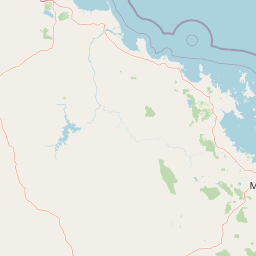
The landscape of Conway National Park is defined by its low-lying coastal topography centered on the Conway Peninsula. The terrain is remarkably flat compared to much of Queensland, with an average elevation of just 44 meters creating a gentle, sometimes marshy landscape. The peninsula extends into the Coral Sea, giving the park a coastal character despite its primary focus on rainforest protection. The low elevation and proximity to the ocean influence the local climate, creating conditions favorable to tropical rainforest development. The landscape features a mixture of permanently wet areas supporting mangroves and paperbark woodlands, alongside drier ridge and slope areas where dry vine thicket and open forests develop. This topographic and hydrological diversity creates a varied landscape within the park's boundaries.
Conway National Park ecosystems, habitats, and plant life
The natural environment of Conway National Park centers on its extensive lowland tropical rainforest, which represents the largest example of this habitat type in Queensland outside the Tropical North Queensland region. The park supports a complex mosaic of vegetation communities including dry vine thicket on ridges and slopes, mangrove communities in coastal and estuarine areas, open forests with characteristic grasstree understorey, paperbark woodlands around wetlands, and pandanus woodlands along watercourses. This vegetation diversity supports a range of ecological processes and provides habitat for numerous species. The lowland rainforest ecosystem is considered significant because similar habitats have been extensively cleared across Queensland's coastal lowlands for agriculture, urban development, and other human uses, making protected remnants like Conway increasingly valuable for biodiversity conservation.
Conway National Park wildlife and species highlights
Conway National Park is home to several notable bird species, particularly two species of mound-building birds that are characteristic of Queensland's forested landscapes. The Australian brush-turkey and the orange-footed scrubfowl are both present in the park, representing large ground-dwelling birds that play important ecological roles in rainforest ecosystems. These species are known for their distinctive breeding behavior, with males building large mounds of decaying vegetation that provide heat for incubating eggs. The diverse habitat types within the park support additional wildlife, though detailed species lists are limited in available source material. The combination of rainforest, woodland, mangrove, and wetland habitats creates conditions favorable for a range of fauna species.
Conway National Park conservation status and protection priorities
Conway National Park serves an important conservation function by protecting the largest remaining tract of lowland tropical rainforest in Queensland outside the Tropical North Queensland region. This habitat type has been significantly reduced across eastern Australia through historical land clearing, making protected areas like Conway increasingly important for maintaining biodiversity. The park preserves not only the rainforest itself but also associated ecosystems including mangroves, wetlands, and coastal woodlands that together form a diverse coastal landscape. As an IUCN Category II protected area, the park is managed primarily for ecosystem conservation while also providing opportunities for nature-based recreation and environmental education. The protection of this lowland rainforest ecosystem represents a long-term commitment to preserving Queensland's natural heritage.
Conway National Park cultural meaning and human context
The Conway Peninsula has been part of the cultural landscape of the Whitsunday region of Queensland for thousands of years, though detailed information about indigenous associations with the area is limited in available source material. The region is traditionally associated with Aboriginal peoples of the area, and the landscape would have supported indigenous communities through its rich resources of food, materials, and water. European settlement of the Proserpine area began in the nineteenth century, with the region eventually developing as an agricultural and tourism destination. The establishment of the national park in 1938 reflected a growing recognition of the value of preserving natural landscapes, a perspective that has evolved to encompass broader ecological and indigenous cultural considerations in modern park management.
Top sights and standout views in Conway National Park
The defining highlight of Conway National Park is its extensive lowland tropical rainforest, the largest example of this ecosystem type in Queensland outside the Tropical North Queensland region. Visitors can explore walking tracks ranging from easy to moderate difficulty, experiencing the dense vegetation and humid atmosphere of this rare habitat. The park offers walk-in bush camping opportunities in a remote setting, though there are no established camp sites, adding to the sense of wilderness exploration. The Beak Lookout provides elevated views over the park's landscapes. The presence of Australian brush-turkey and orange-footed scrubfowl adds wildlife interest, particularly for birdwatchers interested in Australia's unique mound-building birds.
Best time to visit Conway National Park
The best time to visit Conway National Park is during the cooler, drier months from April to October, when temperatures are more comfortable for outdoor activities and rainfall is typically lower. The tropical climate means that summer months from November to March can be hot, humid, and wet, with heavier rainfall and the potential for tropical weather systems. Visiting during the drier season provides more comfortable conditions for walking and camping, though the rainforest maintains its lush character year-round. Visitors should be prepared for humid conditions regardless of season and should consider the remote nature of the park when planning their visit.