Why Fifa Nature Reserve stands out
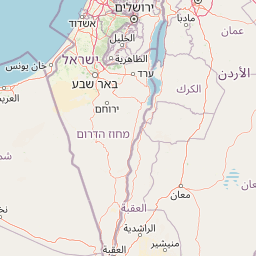
Fifa Nature Reserve is notable for its unique combination of below-sea-level elevation and the coexistence of salt-tolerant and tropical plant communities within a relatively compact protected area. This ecological duality sets it apart from other Jordanian reserves, which typically feature either desert, wetland, forest, or canyon environments. The reserve's position in southwestern Jordan places it within a region that experiences distinct climatic influences, contributing to its specialized vegetation patterns. Its designation in 2011 also reflects Jordan's ongoing efforts to expand representative protected areas that capture the country's ecological diversity.
Fifa Nature Reserve history and protected-area timeline
Fifa Nature Reserve was officially established on July 13, 2011, becoming part of Jordan's network of protected areas under the management of the Royal Society for the Conservation of Nature. The reserve's creation followed the pattern of several other Jordanian reserves that were designated in the late 2000s and early 2010s, including Qatar Nature Reserve, which was also established in 2011. The decision to protect this area reflected recognition of its ecological distinctiveness, particularly the combination of below-sea-level terrain and specialized plant communities. Jordan's nature reserve system had begun in 1975 with Shaumari Wildlife Reserve and expanded progressively through subsequent decades, with the RSCN playing a central role in identifying and designating areas of conservation significance. The addition of FIFA to this network helped ensure representation of southwestern Jordan's unique ecosystems within the country's protected areas framework.
Fifa Nature Reserve landscape and geographic character
The landscape of Fifi Nature Reserve is defined by its below-sea-level elevation in portions of the protected area, a characteristic shared with only a few other Jordanian protected areas such as Wadi Mujib Nature Reserve. The terrain features salt-affected soils in certain zones that support specialized halophytic vegetation adapted to high salinity conditions. In contrast, other areas of the reserve exhibit tropical plant patterns, indicating more favorable moisture conditions or different soil characteristics that support vegetation more typical of warmer, potentially more humid environments. The southwestern Jordan location places the reserve in a transition zone between the desert environments that dominate much of the country and more fertile regions. This positioning contributes to the reserve's ecological diversity, with plant communities that reflect the complex interplay of elevation, soil chemistry, and microclimate within the protected area.
Fifa Nature Reserve ecosystems, habitats, and plant life
The ecological character of Fifi Nature Reserve is distinguished by the presence of two primary plant patterns that reflect the varied environmental conditions within its boundaries. The salt plant pattern occurs in areas where soil salinity creates challenging conditions for most plant species, selecting for specialized halophytes capable of thriving in saline environments. These salt-tolerant communities represent important ecological adaptations and contribute to the reserve's biodiversity value. The tropical plant pattern indicates areas with sufficient moisture and appropriate conditions to support vegetation types more commonly associated with tropical or subtropical regions. This ecological diversity within a single protected area demonstrates the environmental complexity of southwestern Jordan and highlights the importance of preserving these specialized habitats. The combination of these distinct plant communities makes the reserve a significant area for biodiversity conservation within Jordan's protected area network.
Fifa Nature Reserve wildlife and species highlights
The source material provides limited specific information about wildlife populations within Fifi Nature Reserve. However, the presence of both salt-tolerant and tropical plant communities suggests that the reserve supports adapted faunal species capable of surviving in these specialized environments. Jordan's nature reserves generally support diverse wildlife communities, and while FIFA may not have the high-profile species associated with reserves like Dana or Mujib, the protected area contributes to habitat connectivity and species protection within the southwestern region. The Royal Society for the Conservation of Nature's management approach across all reserves typically includes monitoring of key species and implementation of conservation measures to maintain healthy ecological communities.
Fifa Nature Reserve conservation status and protection priorities
Fifi Nature Reserve contributes to Jordan's conservation infrastructure by protecting a unique combination of ecological communities in the country's southwest. The reserve's designation in 2011 reflected growing recognition of the need to preserve representative examples of Jordan's diverse ecosystems, including specialized habitats such as those featuring salt plant communities. As part of the RSCN-managed network, the reserve benefits from coordinated conservation approaches that include species protection, habitat management, and sustainable use considerations. The presence of below-sea-level terrain adds to the reserve's conservation significance, as such elevations create unique environmental conditions that support specialized species and ecological processes. The protection of these areas helps maintain ecological connectivity across Jordan's protected area network and contributes to regional biodiversity conservation efforts.
Fifa Nature Reserve cultural meaning and human context
The source material does not provide extensive information regarding cultural heritage or historical human activity within Fifi Nature Reserve. Jordan's landscape generally contains numerous archaeological and historical sites, and it is possible that the reserve's territory may have historical significance, though this is not detailed in available sources. The reserve's establishment in 2011 is recent enough that detailed cultural context may not have been extensively documented in the available literature. The broader region of southwestern Jordan includes areas of historical and archaeological interest, and the reserve may contribute to regional heritage conservation by protecting natural landscapes that exist alongside cultural sites.
Top sights and standout views in Fifa Nature Reserve
Fifi Nature Reserve stands out within Jordan's protected areas network for its below-sea-level elevation, a characteristic it shares with only the lowest nature reserves in the world, and for its dual plant communities combining salt-tolerant and tropical vegetation patterns. The reserve's 23.2-square-kilometer area, while modest compared to Jordan's largest reserves like Dana Biosphere Reserve, represents important protection of specialized southwestern Jordan ecosystems. Its establishment in 2011 marked a continuation of Jordan's systematic expansion of its nature reserve network, with the Royal Society for the Conservation of Nature identifying and designating areas of ecological significance. The reserve provides educational and research opportunities regarding specialized plant adaptations to saline conditions and the ecological transitions found in below-sea-level environments.
Best time to visit Fifa Nature Reserve
The source material does not provide specific guidance regarding optimal visitation periods for Fifi Nature Reserve. Visitors interested in exploring the reserve should consult with the Royal Society for the Conservation of Nature for current information regarding access, seasons, and visitor facilities. Jordan's nature reserves generally offer the most comfortable visitation conditions during cooler months, typically from October through April, when temperatures are more moderate for outdoor activities. The unique characteristics of Fifi, including its salt plant and tropical plant communities, may offer different experiences depending on seasonal conditions, and consulting RSCN guidance can help visitors plan appropriate timing for their interests.