Mori Atlas logo
Nature reserveFifa Nature Reserve

Discover the mapped natural terrain and protected boundaries of this unique Jordanian protected area.

Fifa Nature Reserve: Jordan's Protected Nature Reserve Landscape and Geography

Fifa Nature Reserve stands as a significant protected natural area within Jordan's diverse geography. This page provides an in-depth atlas-style exploration of its protected landscape, helping users understand its boundaries, regional context, and the natural terrain it encompasses. Delve into the mapped features and geographic significance of Fifa Nature Reserve as part of Jordan's network of protected lands.

nature reservebelow sea levelprotected areaJordansalt tolerant plantssouthwest Jordan

Fifa Nature Reserve

Nature reserve

Park overview

Structured park overview, official facts, and landscape profile for Fifa Nature Reserve

Fifa Nature Reserve park facts, protected area profile, and essential visitor context

Review the core facts for Fifa Nature Reserve, including designation, size, terrain, visitor scale, habitats, and operating context in one park-focused overview.

About Fifa Nature Reserve

Fifa Nature Reserve represents an important component of Jordan's nature protection infrastructure, established in 2011 to preserve a distinctive landscape in the country's southwest. The reserve's 23.2-square-kilometer territory encompasses ecological communities that are adapted to challenging conditions, including areas where elevation falls below sea level. This topological characteristic creates specialized habitats that support unique plant assemblages not commonly found in other Jordanian protected areas. The coexistence of salt plant communities with tropical vegetation patterns within the same reserve demonstrates the ecological complexity that exists in Jordan's transitional landscapes. The Royal Society for the Conservation of Nature, which manages all of Jordan's reserves, maintains oversight of FIFA, working to protect the biodiversity values while allowing for sustainable environmental education and awareness activities. The reserve contributes to Jordan's broader conservation matrix, which includes reserves ranging from the wetland ecosystems of Azraq to the mountainous terrain of Dana and the canyon systems of Wadi Mujib.

Quick facts and research context for Fifa Nature Reserve

Fifa Nature Reserve is situated in southwestern Jordan and was officially designated on July 13, 2011, making it one of the more recent additions to Jordan's protected areas network. The reserve spans approximately 23.2 square kilometers and is characterized by portions of its territory lying below sea level, a rare feature among the country's nature reserves. The reserve exhibits two distinct plant patterns: a salt plant community adapted to saline conditions and a tropical plant pattern reflecting the region's ecological diversity. Management of the reserve falls under the Royal Society for the Conservation of Nature, the same organization overseeing Jordan's other reserves including Dana Biosphere Reserve, Azraq Wetland Reserve, and Mujib Nature Reserve.

Protection and recognition

Documented conservation classification, terrestrial scope, and international database records

Fifa Nature Reserve Protection Status and Ramsar Site Designation

Map the official protection boundaries and international Ramsar site designation status of Fifa Nature Reserve to understand its global conservation framework. Verified records outline its terrestrial protection scope established in 2011, providing essential regional context for ecological researchers and geography enthusiasts.

International recognition

Protection details

Protection scope
Terrestrial
Designated year
2011
Park context

Deeper park guide and search-rich context for Fifa Nature Reserve

Fifa Nature Reserve history, landscape, wildlife, and travel context

Explore Fifa Nature Reserve through its history, landscape character, ecosystems, wildlife, conservation priorities, cultural context, and seasonal travel timing in a structured park guide built for atlas discovery and search intent.

Why Fifa Nature Reserve stands out

Fifa Nature Reserve is notable for its unique combination of below-sea-level elevation and the coexistence of salt-tolerant and tropical plant communities within a relatively compact protected area. This ecological duality sets it apart from other Jordanian reserves, which typically feature either desert, wetland, forest, or canyon environments. The reserve's position in southwestern Jordan places it within a region that experiences distinct climatic influences, contributing to its specialized vegetation patterns. Its designation in 2011 also reflects Jordan's ongoing efforts to expand representative protected areas that capture the country's ecological diversity.

Fifa Nature Reserve history and protected-area timeline

Fifa Nature Reserve was officially established on July 13, 2011, becoming part of Jordan's network of protected areas under the management of the Royal Society for the Conservation of Nature. The reserve's creation followed the pattern of several other Jordanian reserves that were designated in the late 2000s and early 2010s, including Qatar Nature Reserve, which was also established in 2011. The decision to protect this area reflected recognition of its ecological distinctiveness, particularly the combination of below-sea-level terrain and specialized plant communities. Jordan's nature reserve system had begun in 1975 with Shaumari Wildlife Reserve and expanded progressively through subsequent decades, with the RSCN playing a central role in identifying and designating areas of conservation significance. The addition of FIFA to this network helped ensure representation of southwestern Jordan's unique ecosystems within the country's protected areas framework.

Fifa Nature Reserve landscape and geographic character

The landscape of Fifi Nature Reserve is defined by its below-sea-level elevation in portions of the protected area, a characteristic shared with only a few other Jordanian protected areas such as Wadi Mujib Nature Reserve. The terrain features salt-affected soils in certain zones that support specialized halophytic vegetation adapted to high salinity conditions. In contrast, other areas of the reserve exhibit tropical plant patterns, indicating more favorable moisture conditions or different soil characteristics that support vegetation more typical of warmer, potentially more humid environments. The southwestern Jordan location places the reserve in a transition zone between the desert environments that dominate much of the country and more fertile regions. This positioning contributes to the reserve's ecological diversity, with plant communities that reflect the complex interplay of elevation, soil chemistry, and microclimate within the protected area.

Fifa Nature Reserve ecosystems, habitats, and plant life

The ecological character of Fifi Nature Reserve is distinguished by the presence of two primary plant patterns that reflect the varied environmental conditions within its boundaries. The salt plant pattern occurs in areas where soil salinity creates challenging conditions for most plant species, selecting for specialized halophytes capable of thriving in saline environments. These salt-tolerant communities represent important ecological adaptations and contribute to the reserve's biodiversity value. The tropical plant pattern indicates areas with sufficient moisture and appropriate conditions to support vegetation types more commonly associated with tropical or subtropical regions. This ecological diversity within a single protected area demonstrates the environmental complexity of southwestern Jordan and highlights the importance of preserving these specialized habitats. The combination of these distinct plant communities makes the reserve a significant area for biodiversity conservation within Jordan's protected area network.

Fifa Nature Reserve wildlife and species highlights

The source material provides limited specific information about wildlife populations within Fifi Nature Reserve. However, the presence of both salt-tolerant and tropical plant communities suggests that the reserve supports adapted faunal species capable of surviving in these specialized environments. Jordan's nature reserves generally support diverse wildlife communities, and while FIFA may not have the high-profile species associated with reserves like Dana or Mujib, the protected area contributes to habitat connectivity and species protection within the southwestern region. The Royal Society for the Conservation of Nature's management approach across all reserves typically includes monitoring of key species and implementation of conservation measures to maintain healthy ecological communities.

Fifa Nature Reserve conservation status and protection priorities

Fifi Nature Reserve contributes to Jordan's conservation infrastructure by protecting a unique combination of ecological communities in the country's southwest. The reserve's designation in 2011 reflected growing recognition of the need to preserve representative examples of Jordan's diverse ecosystems, including specialized habitats such as those featuring salt plant communities. As part of the RSCN-managed network, the reserve benefits from coordinated conservation approaches that include species protection, habitat management, and sustainable use considerations. The presence of below-sea-level terrain adds to the reserve's conservation significance, as such elevations create unique environmental conditions that support specialized species and ecological processes. The protection of these areas helps maintain ecological connectivity across Jordan's protected area network and contributes to regional biodiversity conservation efforts.

Fifa Nature Reserve cultural meaning and human context

The source material does not provide extensive information regarding cultural heritage or historical human activity within Fifi Nature Reserve. Jordan's landscape generally contains numerous archaeological and historical sites, and it is possible that the reserve's territory may have historical significance, though this is not detailed in available sources. The reserve's establishment in 2011 is recent enough that detailed cultural context may not have been extensively documented in the available literature. The broader region of southwestern Jordan includes areas of historical and archaeological interest, and the reserve may contribute to regional heritage conservation by protecting natural landscapes that exist alongside cultural sites.

Top sights and standout views in Fifa Nature Reserve

Fifi Nature Reserve stands out within Jordan's protected areas network for its below-sea-level elevation, a characteristic it shares with only the lowest nature reserves in the world, and for its dual plant communities combining salt-tolerant and tropical vegetation patterns. The reserve's 23.2-square-kilometer area, while modest compared to Jordan's largest reserves like Dana Biosphere Reserve, represents important protection of specialized southwestern Jordan ecosystems. Its establishment in 2011 marked a continuation of Jordan's systematic expansion of its nature reserve network, with the Royal Society for the Conservation of Nature identifying and designating areas of ecological significance. The reserve provides educational and research opportunities regarding specialized plant adaptations to saline conditions and the ecological transitions found in below-sea-level environments.

Best time to visit Fifa Nature Reserve

The source material does not provide specific guidance regarding optimal visitation periods for Fifi Nature Reserve. Visitors interested in exploring the reserve should consult with the Royal Society for the Conservation of Nature for current information regarding access, seasons, and visitor facilities. Jordan's nature reserves generally offer the most comfortable visitation conditions during cooler months, typically from October through April, when temperatures are more moderate for outdoor activities. The unique characteristics of Fifi, including its salt plant and tropical plant communities, may offer different experiences depending on seasonal conditions, and consulting RSCN guidance can help visitors plan appropriate timing for their interests.
Monthly climate preview

Examine long-term representative temperature ranges and monthly precipitation levels for Fifa Nature Reserve.

Fifa Nature Reserve Climate Normals and Annual Weather Patterns in Jordan

Representative coordinate records for Fifa Nature Reserve document a sustained annual rhythm of shifting temperatures and low precipitation across twelve recorded periods. Analyzing the complete monthly profile provides detailed context on long-term thermal shifts and moisture averages.
Annual mean19 °C
10 °C27 °C
Jan10°
Feb11°
Mar14°
Apr18°
May23°
Jun26°
Jul27°
Aug27°
Sep25°
Oct22°
Nov16°
Dec12°
Warmest month
July

27.4 °C

Coolest month
January

9.6 °C

Wettest month
January

1.9 mm/day

Driest month
June

0 mm/day

Park location guide

Geography guide, regional context, and park location map for Fifa Nature Reserve

Fifa Nature Reserve park geography, regions, and map view in Jordan

Understand where Fifa Nature Reserve sits in Jordan through a broader geographic reading of the surrounding landscape, nearby location context, and its mapped position within the national park landscape.

How Fifa Nature Reserve fits into Jordan

Jordan is a unitary parliamentary constitutional monarchy in the Southern Levant region of West Asia. With a population of approximately 11.5 million and an area of 89,342 km², it borders Syria, Iraq, Saudi Arabia, Israel, and Palestine. The country features diverse geography including the Jordan Rift Valley, the Jordan River, and the Dead Sea. Amman is the capital and largest city.

Wider geography shaping Fifa Nature Reserve in Jordan

Jordan is located in the Southern Levant of West Asia, bordered by Syria to the north, Iraq to the east, Saudi Arabia to the south, and Israel and Palestine (West Bank) to the west. The Jordan River and Dead Sea lie along its western border within the Jordan Rift Valley. The country has a small coastline on the Red Sea in the southwest, accessed through the Gulf of Aqaba.

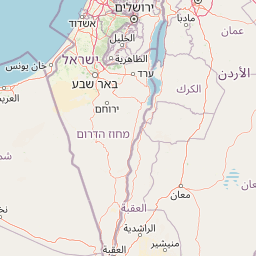
Map view of Fifa Nature Reserve

Use this park location map to pinpoint Fifa Nature Reserve in Jordan, understand its exact geographic position, and read its mapped placement within the surrounding landscape more clearly.

Pigeon | © OpenStreetMap contributors
Recorded earthquake history

Explore the Recorded Earthquake History for Fifa Nature Reserve

Examine the historical archive of seismic events documented in the area surrounding Fifa Nature Reserve. This collection from MoriAtlas provides a clear view of recorded magnitudes and epicentre distances to assist in understanding the regional seismic context of the protected landscape.

Fifa Nature Reserve Earthquake History

Catalogued events

14 events

Strongest magnitude

Magnitude 5.1

Most recent event

Jan 15, 2026

This history includes earthquakes recorded inside the park or within 50 km of its borders

Park atlas

Browse the regional spread of protected landscapes surrounding Fifa Nature Reserve, comparing their unique ecological characteristics and geographic context.

Discover Other National Parks and Protected Areas Near Fifa Nature Reserve in Southwestern Jordan

From Fifa Nature Reserve, continue your discovery by browsing other protected areas in Jordan, mapping nearby geographic features, and tracing diverse conservation landscapes. Comparing these distinct park geographies provides valuable insights into regional ecological patterns, varied terrain, and Jordan's expanding network of protected areas.
Watercolor illustration of a mountainous landscape with multiple colored terrain layers
Biosphere reserveJordan
About 27 km away#1 closest

Southeast

Dana Biosphere Reserve: Mapped Biosphere Reserve in Jordan's Geography

Explore protected landscape boundaries and regional context.

Dana Biosphere Reserve is a critical protected landscape in Jordan, recognized for its significant geographic features and ecological value. This page offers detailed insights into its mapped boundaries and its place within the broader regional geography of the Middle East. It serves as an essential resource for understanding the park's protected-area identity and its contribution to Jordan's natural heritage, facilitating a deeper atlas-driven exploration of its terrain and conservation significance.

Area
308 km²
Established
1989
Relief
Mixed relief
Scope
Terrestrial
Watercolor illustration of rolling green hills, a body of water, and grassy vegetation under a light sky.
National parkIsrael
About 33 km away#2 closest

West

Mamshit National Park: Ancient Nabataean City, Byzantine Ruins, and Negev Desert Landscape

Explore exceptionally preserved Nabataean urban architecture and regional geography.

Mamshit National Park offers a rare window into ancient desert urbanism, preserving an exceptionally intact Nabataean caravan city and Byzantine settlement in Israel's Negev Desert. The site showcases unique residential compounds and religious structures, demonstrating sophisticated architectural traditions and water management systems against a backdrop of striking natural terrain. As a vital component of the Incense Road heritage, Mamshit provides rich context for understanding ancient trade, regional geography, and the enduring human adaptation to arid landscapes.

IUCN
V
Relief
Lowland
Climate
Arid
Scope
Terrestrial
National parkIsrael
About 34 km away#3 closest

North

Masada National Park: Explore Israel's Iconic Protected Desert Fortress and Landscape

Discover mapped boundaries and archaeological significance in the Judean Desert.

Masada National Park preserves a remarkable historical fortress and palace complex set within the dramatic desert terrain of Israel's Judean Desert. This protected area is renowned for its archaeological importance, showcasing sophisticated ancient engineering and its role as the final stronghold of the Jewish revolt. The stark, beautiful landscape surrounding the plateau offers significant geographic context, allowing for an atlas-style exploration of its terrain, mapped boundaries, and the wider Dead Sea region.

IUCN
V
Scope
Terrestrial
Water
Minor water
Season
Year-round
National parkIsrael
About 41 km away#4 closest

Northwest

Tel Arad National Park: Discover Israel's Protected Landscape and Mapped Geography

Explore protected area boundaries and regional terrain context.

Delve into Tel Arad National Park, a key protected area in Israel offering insights into its unique landscape and geographic setting. This park provides a focal point for understanding protected land distribution, mapped terrain features, and the regional natural context within the Levant. Utilize this atlas entry to explore the park's specific geographic identity and conservation significance.

Watercolor illustration of a landscape with green vegetation, a river, and distant hills under a pale sky
Nature reserveIsrael
42 km away#5 closest

North

Ein Gedi Nature Reserve: Protected Area Exploration and Regional Geography in Israel

Mapped natural terrain and protected landscape context.

Ein Gedi Nature Reserve represents a distinct natural area offering specific geographic discovery. Users can explore its mapped boundaries, understand its unique landscape character, and appreciate its protected status within the diverse terrain of Israel. This page serves as a gateway to understanding the reserve's ecological and geographic significance, providing structured data for those interested in the mapped context of protected lands.

Area
14 km²
Established
1971
Visitors
1M annual
Relief
Lowland
Nature reserveJordan
About 50 km away#6 closest

North

Wadi Mujib Nature Reserve: Explore Jordan's Dramatic Canyon Protected Landscape

Discover mapped boundaries and arid biodiversity within this unique rift valley gorge.

Wadi Mujib Nature Reserve represents a significant protected landscape in Jordan, celebrated for its deep desert canyon and dramatic slot canyon terrain. Situated in the Dead Sea region, this reserve protects a remarkable range of geography, from its lowest points near the Dead Sea to surrounding mountain terrain. Its status as a UNESCO biosphere reserve highlights its importance for arid biodiversity and its role as a migratory bird flyway, offering a distinct atlas-level discovery of Jordan's natural heritage.

Area
212 km²
Established
1987
IUCN
IV
Relief
Mountain
National parkIsrael
About 58 km away#7 closest

West

Ben-Gurion Tomb National Park: Protected Desert Landscape and Geographic Context

Explore the Negev Desert's unique memorial terrain.

Ben-Gurion Tomb National Park offers a distinct protected landscape experience in the heart of Israel's Negev Desert. This national park is primarily known as the burial site of David and Paula Ben-Gurion, intentionally situated in the desert overlooking the dramatic Nahal Tzin canyon. The park's approximately 90 dunams feature a carefully designed memorial garden that contrasts with the arid terrain, providing a unique focus for geographic exploration and understanding the site's regional landscape.

Area
0.09 km²
Relief
Lowland
Climate
Arid
Access
Easy access
Watercolor illustration of a canyon with winding river, mountains, and rolling hills
National parkIsrael
About 60 km away#8 closest

West

Ein Avdat National Park: A Spectular Desert Oasis and Protected Landscape in Israel

Explore its unique springs, waterfalls, and ancient Nabatean and Byzantine history.

Ein Avdat National Park showcases a rare desert oasis environment, a starkly beautiful protected landscape where natural springs emerge from the Negev's arid terrain. This park is celebrated for its dramatic waterfalls, deep pools, and the preserved remnants of ancient human habitation, including a remarkable Byzantine cave monastery carved directly into the canyon walls. Its geography, shaped by the Nahal Zin wadi, provides a vivid study in desert ecosystems and their capacity for supporting life and history over millennia, making it a key site for understanding landscape context in Israel.

Area
4.8 km²
IUCN
V
Relief
Mixed relief
Climate
Arid

Common questions about visiting, size, designation, and location context for Fifa Nature Reserve

Fifa Nature Reserve FAQs for park facts, access, geography, and protected area context

Find quick answers about Fifa Nature Reserve, including protected-area facts, park geography, trail and visitor context, and how the park fits into its surrounding country and regional landscape.
MoriAtlas Explorer

Continue Your Protected Areas Search Across the Global Atlas

Deepen your exploration by continuing the structured search for national parks and protected areas worldwide. Utilize the comprehensive filtering capabilities to compare different conservation landscapes and refine your understanding of global park geography. Discover more about the distribution and characteristics of protected natural areas.

Global natural geography