Why Isla Isabel National Park stands out
Isla Isabel is best known as a premier seabird nesting colony in the eastern Pacific. The island supports one of the largest populations of frigatebirds in the region, along with significant colonies of booby species and other marine birds. The dramatic volcanic landscape, with its towering cliffs and rugged shoreline, provides ideal nesting habitat. The surrounding marine waters are equally important, supporting diverse marine life and contributing to the park's recognition as a Ramsar Wetland site.
Isla Isabel National Park history and protected-area timeline
Isla Isabel National Park was established in 1980 as part of Mexico's expanding network of protected natural areas. The park was created to protect the island's significant seabird colonies and the unique volcanic island ecosystem. In 2003, the site received additional recognition as a Ramsar Wetland, designating it as a wetland of international importance under the Ramsar Convention. This dual protection status reflects both the terrestrial bird nesting habitat and the surrounding marine waters that together form an ecologically significant unit. Management of the park falls under Mexico's National Commission of Natural Protected Areas, which oversees conservation and monitoring activities.
Isla Isabel National Park landscape and geographic character
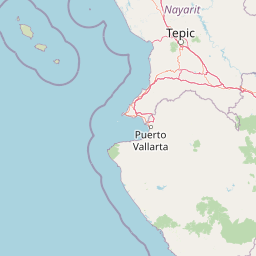
Isla Isabel is a volcanic island rising from the Pacific Ocean off the coast of Nayarit. The island's terrain is dominated by volcanic rock formations, steep cliffs that drop directly into the sea, and rocky coastal shores. The interior of the island features irregular volcanic terrain with exposed rock and limited vegetation in certain areas. The dramatic coastline includes vertical cliff faces that provide ideal nesting habitat for seabirds, as well as rocky outcrops and small beaches where marine life congregates. The surrounding Pacific waters complete the park's landscape, creating a seamless marine-terrestrial conservation area.
Isla Isabel National Park ecosystems, habitats, and plant life
The ecological significance of Isla Isabel centers on its role as a critical seabird nesting colony in the eastern Pacific. The island supports dense populations of frigatebirds, which nest in the cliff areas and surrounding vegetation where it exists. Booby colonies, including both blue-footed and other species, also nest on the island, creating one of the most significant seabird aggregation sites in the region. The surrounding marine waters support fish populations and other marine life that sustain the seabird colonies. The combination of volcanic island terrain, coastal marine environments, and the absence of significant human disturbance has allowed these bird populations to thrive. The Ramsar designation recognizes both the terrestrial nesting habitat and the marine foraging areas as essential components of this important bird ecosystem.
Isla Isabel National Park wildlife and species highlights
Isla Isabel's wildlife is defined by its remarkable seabird populations. Frigatebirds represent one of the most prominent species groups, with the island serving as a major nesting and resting site for these distinctive birds. Booby colonies, including several species adapted to the Pacific coast, nest alongside the frigatebirds in the cliff habitats. The surrounding waters support fish species that the seabirds feed on, creating an interconnected marine-terrestrial food web. The island's isolated position in the Pacific makes it a crucial waypoint for migratory seabirds traveling along the Pacific flyway. While the focus is on birdlife, the marine environment around the island supports additional species that contribute to the overall biodiversity of the protected area.
Isla Isabel National Park conservation status and protection priorities
Isla Isabel National Park holds significant conservation value as one of the premier seabird nesting sites in the eastern Pacific. The Ramsar Wetland designation in 2003 elevated the site's international recognition and reinforced protection measures for both terrestrial and marine components. The park protects critical nesting habitat for frigatebirds and boobies, species that face pressures from habitat loss and disturbance throughout their ranges. Management by Mexico's National Commission of Natural Protected Areas ensures monitoring and enforcement that maintains the island as a relatively undisturbed environment. The small size of the island and its offshore location provide natural protection from many anthropogenic pressures that affect mainland protected areas, though ongoing vigilance regarding marine pollution and potential disturbance remains important for maintaining the health of the seabird colonies.
Isla Isabel National Park cultural meaning and human context
Isla Isabel has historically served as a maritime landmark for sailors and fishermen navigating the Pacific coast of Nayarit. The island's prominent position in the ocean and its distinctive volcanic silhouette have made it a recognizable feature of the regional seascape. While the island itself does not support permanent human settlement due to its protected status, the surrounding waters have traditionally been used by local fishing communities. The park status protects the island while allowing for carefully managed access for research and conservation purposes.
Top sights and standout views in Isla Isabel National Park
The volcanic island landscape of Isla Isabel, with its dramatic cliffs and Pacific Ocean setting, creates a distinctive protected area. The dense seabird colonies, particularly frigatebirds and boobies, represent the park's most significant ecological feature. The Ramsar Wetland designation recognizes the dual terrestrial-marine importance of this small but vital conservation area. The island's isolation provides natural protection for nesting bird populations, making it a success story in seabird conservation.
Best time to visit Isla Isabel National Park
Isla Isabel can be visited throughout the year, though conditions vary with seasonal weather patterns in the Pacific. The dry season from December through May typically offers more stable conditions for boat access to the island. Wildlife viewing, particularly of seabird colonies, is best during nesting seasons when bird activity is most visible. Marine conditions influence access, as the park is reached by boat from the mainland coast of Nayarit.