Why Jabal Al Rihane Biosphere Reserve stands out
The reserve is recognized as a biosphere reserve within Lebanon's protected area system, specifically protecting the Jabal Rihane mountain ecosystem. It serves as a conservation zone for Mediterranean mountain biodiversity and functions as part of Lebanon's ecological corridor network.
Jabal Al Rihane Biosphere Reserve history and protected-area timeline
The exact establishment date of Jabal Al Rihane Biosphere Reserve requires reference to official UNESCO and Lebanese environmental documentation. As a biosphere reserve, it was designated as part of Lebanon's contribution to the global biosphere reserve network, which began expanded significantly in the latter decades of the 20th century. The reserve exists within Lebanon's broader framework of protected areas, which includes national parks, nature reserves, and other conservation zones established to preserve the country's ecological heritage.
Jabal Al Rihane Biosphere Reserve landscape and geographic character
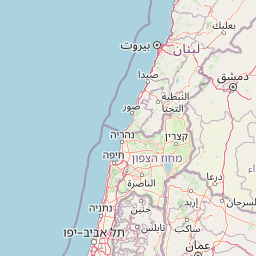
The protected area encompasses mountainous terrain characteristic of northern Lebanon. The Jabal Rihane region features the rugged topography typical of the Lebanese mountain range, with elevation changes, rocky outcrops, and Mediterranean hillside environments. The landscape reflects the broader eastern Mediterranean mountainous ecology, with terrain shaped by geological processes typical of this region.
Jabal Al Rihane Biosphere Reserve ecosystems, habitats, and plant life
As a biosphere reserve, Jabal Al Rihane protects montane ecosystems within the eastern Mediterranean biodiversity hotspot. The protected area supports habitats associated with Mediterranean mountain environments, including vegetation types adapted to the local climate and elevation gradients. The reserve contributes to the conservation of Lebanon's ecological diversity within a region known for its significant plant and animal species diversity.
Jabal Al Rihane Biosphere Reserve wildlife and species highlights
The wildlife within Jabal Al Rihane Biosphere Reserve reflects the Mediterranean montane fauna of the region. Local species include animals adapted to mountain and hillside environments typical of northern Lebanon. Specific species details would require reference to detailed ecological surveys and wildlife inventories for this protected area.
Jabal Al Rihane Biosphere Reserve conservation status and protection priorities
The biosphere reserve designation reflects an integrated approach to conservation that balances ecological protection with sustainable community development. As part of Lebanon's protected area network, Jabal Al Rihane contributes to national and regional conservation goals, including biodiversity preservation and ecosystem service maintenance. The biosphere reserve framework allows for zoned approaches to protection, with core areas for strict conservation and surrounding zones supporting sustainable use.
Jabal Al Rihane Biosphere Reserve cultural meaning and human context
The Jabal Rihane region is situated within the broader cultural landscape of northern Lebanon, an area with historical significance and traditional communities. The mountainous terrain has historically supported rural communities engaged in agriculture, pastoral activities, and traditional land use practices. The biosphere reserve concept incorporates consideration for these human dimensions, seeking to support sustainable livelihoods alongside conservation objectives.
Top sights and standout views in Jabal Al Rihane Biosphere Reserve
Jabal Al Rihane Biosphere Reserve represents Lebanon's effort to protect its Mediterranean mountain environments through the internationally recognized biosphere reserve framework. The reserve provides conservation for montane ecosystems within the eastern Mediterranean, contributes to regional biodiversity protection, and supports sustainable development in the surrounding mountain communities.
Best time to visit Jabal Al Rihane Biosphere Reserve
Visit timing for Jabal Al Rihane Biosphere Reserve would follow seasonal patterns typical of northern Lebanon's Mediterranean climate. Spring and early summer offer pleasant conditions for exploring the mountain landscapes, while autumn provides another favorable season for visits. Winter conditions in the mountainous terrain may be more challenging, and summer months can bring higher temperatures typical of the Mediterranean region.