Why Junee National Park stands out
Junee National Park is best known for its protection of dry sclerophyll forest communities within the Brigalow Belt bioregion. The park preserves a relatively intact corridor of native vegetation in a landscape that has been largely transformed by pastoral and agricultural activities. It represents one of the more intact remnants of the Brigalow Belt's characteristic woodland ecosystems, providing critical habitat for woodland-dependent wildlife species in a region where such habitat has become increasingly fragmented.
Junee National Park history and protected-area timeline
Junee National Park was officially established as a national park in the year 2000, representing a relatively recent addition to Queensland's system of protected areas. The park's creation occurred during a period when the Queensland government was expanding its national park estate to better represent the state's diverse bioregions and address gaps in conservation coverage.
The Brigalow Belt region had been subject to extensive land clearing throughout the twentieth century, with brigalow woodlands and adjacent forest types converted to pasture for cattle grazing. By the late 1990s, recognition of the ecological significance of remaining remnant vegetation in this region had grown, leading to the formal protection of areas like Junee National Park. The transition from potential grazing land to national park status reflects broader shifts in conservation policy and community values regarding the preservation of native ecosystems.
Management of the park falls to the Queensland Parks and Wildlife Service, which oversees conservation activities and visitor access. The establishment of the park provided formal recognition of the area's ecological values and ensured ongoing protection for its native vegetation and associated wildlife communities.
Junee National Park landscape and geographic character
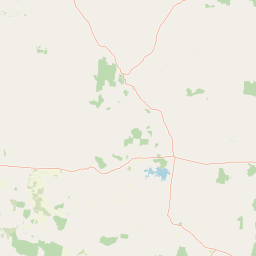
Junee National Park lies within the Brigalow Belt, a bioregion characterized by gently undulating terrain and a mosaic of woodland and forest communities. The landscape features dry sclerophyll forests dominated by various eucalypt species, with the characteristic brigalow (Acacia harpophylla) woodland being a notable component of the broader regional vegetation pattern.
The terrain consists of sedimentary plains and gentle ridges, typical of central Queensland's interior. The vegetation forms a complex structure with a canopy of eucalypts over a diverse understory of shrubs and grasses. The park's relative isolation from intensive agricultural development has allowed its landscape to retain much of its natural character, presenting a contrast to the heavily modified surrounding terrain. This remnant landscape provides an indication of what much of the Brigalow Belt once looked like before extensive clearing occurred throughout the region.
Junee National Park ecosystems, habitats, and plant life
Junee National Park protects representative examples of dry sclerophyll forest and woodland communities that characterize the Brigalow Belt bioregion. The vegetation includes eucalypt-dominated forests and woodlands with a varied understory of shrubs and native grasses. Brigalow communities, once widespread across this region, persist in certain areas within the park boundaries, representing one of the more intact remnants of this distinctive vegetation type.
The Brigalow Belt supports a diversity of flora adapted to the warm, sub-humid to semi-arid conditions of central Queensland. The park's protected status ensures that these ecological communities remain intact, supporting the broader regional biodiversity that depends on remnant woodland habitats. The connectivity provided by the park within the wider landscape context is particularly valuable given the extensive modification of surrounding lands.
Junee National Park wildlife and species highlights
The Brigalow Belt supports a range of wildlife species adapted to woodland and dry forest habitats, and Junee National Park provides protected habitat for these communities. Woodland bird species are typically well represented in such environments, including various honeyeaters, parrots, and passerines that depend on native trees for nesting and foraging. The park's intact vegetation structure supports arboreal mammals including possums and gliders that utilize tree hollows for shelter.
Reptiles characteristic of central Queensland's woodlands are present throughout the park, with various skinks, dragons, and snakes occupying the diverse microhabitats provided by the forest floor and understory vegetation. The woodland environments also support invertebrate communities that form essential components of the ecosystem's food web. The park's role in providing relatively unmodified habitat within a extensively cleared landscape makes it particularly valuable for wildlife conservation in the broader region.
Junee National Park conservation status and protection priorities
Junee National Park contributes significantly to the conservation of the Brigalow Belt bioregion's biodiversity by protecting one of the more intact remnants of native vegetation in central Queensland. The Brigalow Belt has experienced severe habitat loss due to land clearing for agriculture and pastoral development, making protected areas like Junee increasingly important for maintaining ecological processes and species populations.
The park provides refuge for both common and range-restricted species that depend on woodland habitats, ensuring that representative examples of the region's ecological communities persist into the future. Conservation of this area supports broader regional biodiversity targets by maintaining connectivity between remnant vegetation patches and preserving genetic diversity within wildlife populations. The park's establishment and ongoing management reflect Queensland's commitment to protecting the state's natural heritage within a bioregion that has experienced substantial environmental change.
Junee National Park cultural meaning and human context
The Junee National Park area lies within the traditional Country of Aboriginal peoples who have inhabited central Queensland for thousands of years. The Brigalow Belt region contains evidence of long-term Indigenous occupation, with traditional land management practices having shaped the landscape over many generations.
The protection of areas like Junee National Park helps preserve the natural context of this cultural landscape, maintaining the environmental setting that traditional owners and their ancestors interacted with over millennia. While the park itself does not prominently feature in available public documentation regarding specific Indigenous heritage sites, the broader Brigalow Belt region is recognized as having significant Aboriginal cultural values. The park's establishment contributes to the broader recognition of central Queensland's cultural and natural heritage.
Top sights and standout views in Junee National Park
Junee National Park offers visitors the opportunity to experience relatively unmodified dry sclerophyll forest in a region where such landscapes have become rare. The park's woodland environments provide scenic values and wildlife viewing opportunities in a setting that illustrates the character of central Queensland's original landscape. The park's relatively recent establishment and its location within a heavily modified agricultural landscape highlight its conservation significance as a refuge for native biodiversity. Visitors can explore walking tracks that traverse the park's diverse vegetation communities, experiencing the birdlife and other wildlife that inhabit the protected woodland.
Best time to visit Junee National Park
The best time to visit Junee National Park is during the cooler months from April to September, when temperatures are more comfortable for outdoor exploration. Queensland's subtropical climate means that summer months can bring high temperatures and humidity that make extended outdoor activity less pleasant. Winter and spring generally offer mild, dry conditions ideal for bushwalking and wildlife observation. The park can be visited year-round, though summer thunderstorms may occasionally affect access or conditions. Visitors should check current conditions and park alerts before planning their trip.