Why Khao Lak, Lam Ru National Park stands out
Khao Lak, Lam Ru is best known for its dramatic combination of mountain and coastal landscapes within a single protected area. The park features Lam Ru Waterfall, a five-tiered cascade with year-round flow that stands as the largest and most visited waterfall in the park. The Khao Lak shoreline offers remarkably clear waters and pristine beach stretches along the Andaman Sea. The park's protected forests shelter a diverse mammalian fauna including the endangered Indochinese tiger, Asian tapir, and serow, as well as numerous bird species such as the crested serpent eagle and white-bellied sea eagle. The dual-peak naming reflects the park's mountainous interior, where the evergreen forest creates a dense jungle environment that contrasts sharply with the open coastline.
Khao Lak, Lam Ru National Park history and protected-area timeline
Khao Lak–Lam Ru National Park was originally established as a seashore park, reflecting an early focus in Thai protected area management on preserving scenic coastal landscapes. In 1984, the park's boundary was significantly expanded to incorporate the forested and mountainous terrain inland, transforming its conservation mandate to encompass complete watershed protection for Phang Nga Province's main drainage basin. This expansion recognized that effective coastal protection required upstream forest preservation to maintain water quality, reduce erosion, and regulate downstream water flow. On 30 August 1991, the expanded protected area was formally designated as Thailand's 66th national park, cementing its status within the national protected area network. The park's history took a tragic turn in December 2004 when the Indian Ocean tsunami struck the Andaman coast. Khao Lak suffered the heaviest casualties of any area in Thailand, with over 4,000 deaths recorded. The disaster highlighted both the park's vulnerability to natural hazards and the complex relationship between development, tourism, and environmental protection in coastal areas. The recovery process prompted renewed attention to the park's role in providing ecosystem services while supporting visitor experiences.
Khao Lak, Lam Ru National Park landscape and geographic character
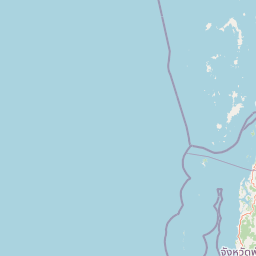
The landscape of Khao Lak–Lam Ru National Park presents a dramatic transition from mountain to sea within a relatively short distance. The twin peaks of Khao Lak and Lam Ru dominate the interior, with the highest point reaching 1,077 metres above sea level. These granite and limestone formations support steep-sided valleys and ridgelines that descend toward the coastal plain. The lower slopes and valleys are cloaked in dense tropical evergreen forest, while the stream corridors create natural passages from the interior to the shore. Along the coastline, the terrain gives way to sandy beaches and rocky headlands where the Andaman Sea meets the land. The beach sections at Khao Lak feature clean, quiet stretches of sand backed by vegetation, with clear waters suitable for swimming and snorkeling. The park's waterfall systems, particularly Lam Ru Waterfall with its five distinct levels, represent the surface expression of the abundant precipitation that the mountains receive, creating perennial water features that punctuate the forest landscape.
Khao Lak, Lam Ru National Park ecosystems, habitats, and plant life
The forest ecosystem within Khao Lak–Lam Ru National Park represents the tropical evergreen forest type common to Thailand's Andaman coast region. This dense forest cover is characterized by tall tree species including takian (Hopea odorata), various Dipterocarpus species, Alstonia scholaris, Magnolia champaca, and Anisoptera costata. The canopy supports a rich understory of palms, bamboo, and numerous epiphytic plants including diverse orchid and fern species. Nearer the seashore, the vegetation transitions to include coastal species such as cashew trees, Barringtonia asiatica (a striking flowering tree), and Pandanus fascicularis (screw pine), which are adapted to the more saline and exposed conditions. This vegetation zonation reflects the gradient from the humid interior forest to the more open coastal environment. The forest structure provides habitat complexity that supports the park's biodiversity, while the streams and water features create additional habitat diversity. The protection of this forest ecosystem is particularly important given its role in watershed function for the provincial drainage system.
Khao Lak, Lam Ru National Park wildlife and species highlights
Khao Lak–Lam Ru National Park supports a notable diversity of wildlife despite its relatively small size. The mammalian community includes several species of conservation significance, with the Indochinese tiger representing the apex predator present in the park's forest habitats. The Asian tapir, a distinctive odd-toed ungulate with its striking black-and-white coloration, inhabits the forested slopes, while the serow (a goat-antelope) occupies the rocky highland areas. Other large mammals include sambar deer, Asiatic black bear, and various smaller species such as the colugo (a gliding mammal), binturong, Malayan weasel, and banded surili (a leaf monkey). The primate community is represented by gibbon species. The bird population features both forest-dwelling and coastal species, with the crested serpent eagle and white-bellied sea eagle representing raptors that hunt in different habitats. The forest interior supports species such as the great argus, scarlet minivet, bushy-crested hornbill, and oriental pied hornbill, while the red junglefowl (the wild ancestor of domestic chickens) and various dove and bulbul species add to the avian diversity. Reptile species include the Bengal monitor lizard and the venomous Malayan pit viper.
Khao Lak, Lam Ru National Park conservation status and protection priorities
Khao Lak–Lam Ru National Park serves important conservation functions within Thailand's protected area system. As an IUCN Category II protected area, the park is managed primarily for ecosystem conservation while also allowing compatible recreational uses. The 1984 expansion to include the mountainous interior reflected evolving understanding of watershed protection needs, recognizing that effective conservation required protecting the complete hydrological cycle from mountain source to coastal outlet. The park's forest cover plays a critical role in soil stabilization, water regulation, and biodiversity maintenance across Phang Nga Province. The diverse mammalian community, including species such as the Indochinese tiger and Asian tapir that face population pressures across their ranges, benefits from the habitat protection the park provides. The coastal zone contributes to marine ecosystem health by limiting development pressure and maintaining natural shoreline processes. Post-tsunami recovery efforts have included attention to restoring damaged vegetation and improving visitor facilities while maintaining conservation objectives.
Khao Lak, Lam Ru National Park cultural meaning and human context
While Khao Lak–Lam Ru National Park is primarily managed for its natural values, the park exists within a region of rich cultural heritage in Phang Nga Province. The coastal area has historically supported fishing communities, and the interior mountains have been associated with traditional land use practices. The park's name derives from the Thai words for its two dominant peaks, reflecting local naming conventions that connect landscape features to community identity. The Khao Lak coastline gained international recognition through its development as a tourism destination prior to the 2004 tsunami, with resorts and facilities built along the beachfront areas adjacent to or within the park boundary. The 2004 disaster profoundly affected local communities, and the recovery process has shaped the region's development trajectory. The park continues to coexist with surrounding communities whose activities range from traditional agriculture in the foothills to fishing and tourism along the coast.
Top sights and standout views in Khao Lak, Lam Ru National Park
Khao Lak–Lam Ru National Park offers a compelling combination of natural attractions within a manageable protected area. Lam Ru Waterfall, with its five levels of cascading water and year-round flow, stands as the park's signature feature and provides an accessible destination for visitors. The coastal section offers clean beaches and clear waters along the Andaman Sea, providing a contrasting environment to the forest interior within the same park boundary. The mountain trails to Khao Lak and Lam Ru peaks reward hikers with panoramic views across the coastal landscape. The park's wildlife, including the chance to encounter species such as Asian tapir or various hornbill birds, adds excitement to nature exploration. The tropical evergreen forest, with its towering trees, epiphytic orchids, and diverse understory, showcases the ecological richness of Thailand's Andaman coast forests.
Best time to visit Khao Lak, Lam Ru National Park
The optimal period for visiting Khao Lak–Lam Ru National Park aligns with the dry season that typically runs from November through April, when rainfall is minimal and visitor conditions are most comfortable. During these months, the park's trails are more accessible, and the waterfalls maintain reliable flow from the preceding wet season. The coastal areas offer pleasant beach conditions during this period, though the Andaman Sea can experience rough conditions in some years. The wet season from May through October brings higher rainfall, which can make trail conditions more challenging but also enhances the waterfall flows and supports the park's lush vegetation. The forest is greenest during and immediately after the monsoon period, though some trails may be difficult. Year-round visits are possible, but visitors should be prepared for the tropical climate and sudden rain showers that can occur even during the traditionally dry months.