
Why Khotyn National Nature Park stands out
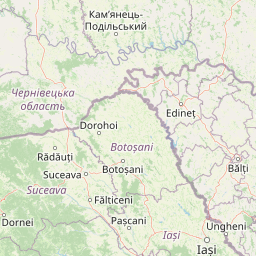
Khotyn National Nature Park is best known for its dramatic Dniester River Canyon with steep limestone and gypsum cliffs, the historic Khotyn Fortress dating to medieval times, and an extensive karst cave system. The park protects a long stretch of the Dniester River as it cuts through the surrounding plateau, creating a landscape of exceptional geological and scenic value. The combination of natural canyon landscapes with cultural heritage makes this park distinctive among Ukraine's protected areas.
Khotyn National Nature Park history and protected-area timeline
Khotyn National Nature Park was established on January 22, 2010 by decree of President Viktor Yushchenko, with the purpose of preserving valuable natural and historical-cultural complexes in the Dniester River basin. The creation of the park consolidated several pre-existing protected areas into a unified conservation landscape. The territory includes numerous previously designated nature reserves, including landscape sanctuaries such as Polyvaniv Yar, Molodiv Yar, Shebutynsky Yar, Halytska Stinka, Babynska Stinka, and Hrynyatska Stinka. Ichthyological reserves within the park include Bernivsky Island, Darabanske Pleso, Orestivsky, Neporotivsky, and Kuyutynsky. Geological monuments of local significance include the stratotype of the Dvenhorodska Silt Series of the Silurian period and the pryhordska Silt Series stratotype. The park was formed from state-owned lands including areas from the Sokiryansky and Khotyn forestry enterprises, as well as portions of the Dniester Reservoir managed by the Dniester-Prut Basin Water Resources Directorate.
Khotyn National Nature Park landscape and geographic character
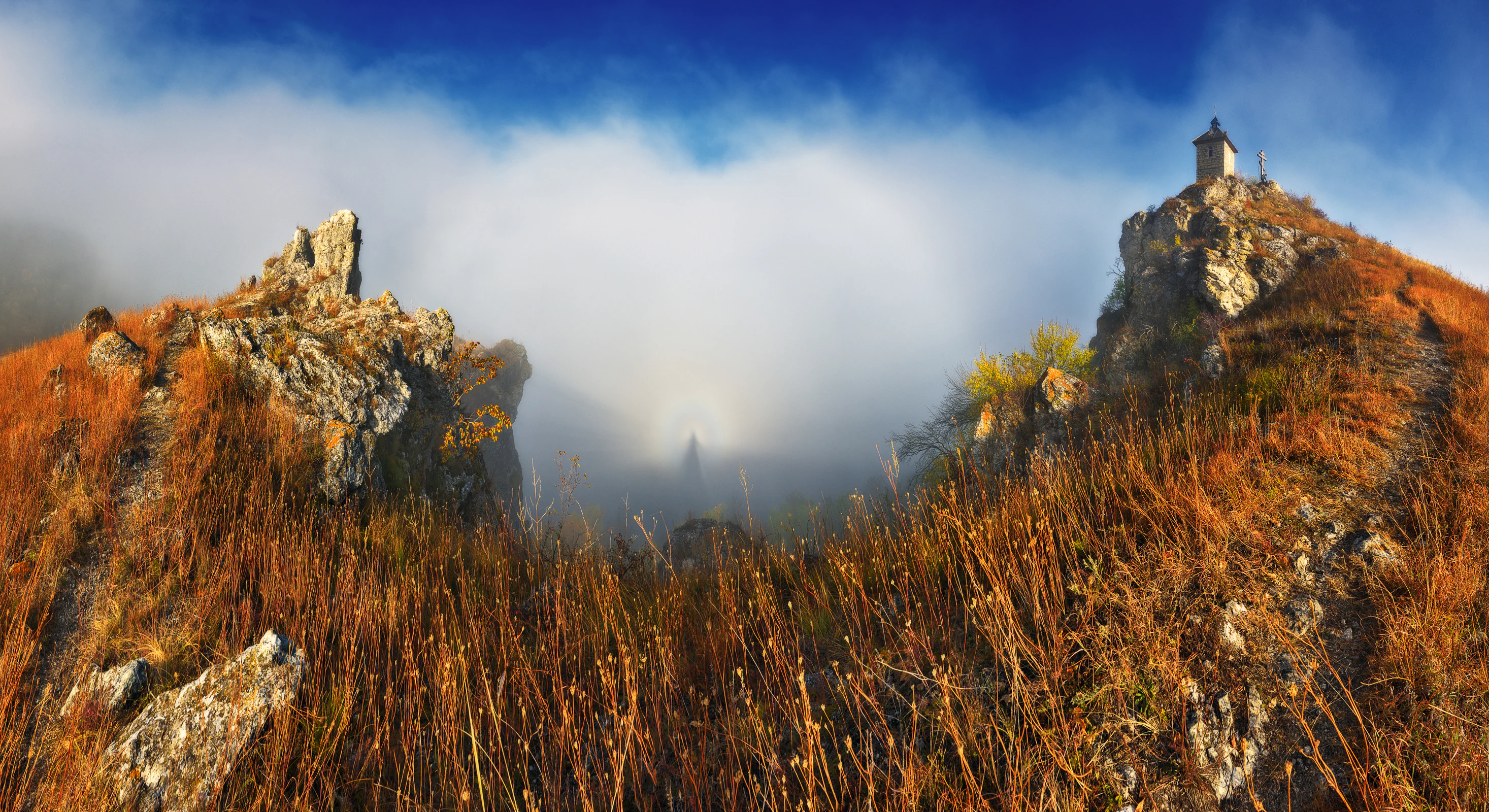
The landscape of Khotyn National Nature Park is dominated by the spectacular Dniester River Canyon, a steep-walled valley carved into the surrounding plateau. The canyon stretches for over 160 kilometers through the park, with the river cutting through ancient granite, gneiss, and sedimentary rock formations. Steep cliffs and rocky exposures rise from the river, particularly along the canyon walls where limestone and gypsum outcroppings create dramatic rock faces. The karst terrain throughout the park has produced an extensive network of caves, with more than 30 small caves documented in the canyon walls. Steep slopes descend from the canyon rim to the river, often covered in deciduous forest or supporting meadow and steppe vegetation on rocky ledges. The park also encompasses a significant portion of the Dniester River Reservoir, a large impoundment that creates a different aquatic landscape within the protected area. In the vicinity of Hrynychka village, one of Bukovina's highest waterfalls cascades from a powerful karst spring, reaching approximately 30 meters in height.
Khotyn National Nature Park ecosystems, habitats, and plant life
The natural environment of Khotyn National Nature Park supports exceptional biodiversity due to the variety of terrain, habitats, and microclimates present within its boundaries. Over 1,500 species of vascular plants have been recorded in the park, representing diverse ecological communities from riverbank wetlands to dry cliff-face habitats. The forest cover on the steep canyon slopes consists primarily of deciduous trees, while rocky outcrops support specialized plant communities adapted to dry and exposed conditions. The park's position along the Dniester River and its inclusion of reservoir habitats creates a complex aquatic environment supporting numerous species. The diversity of habitats includes canyon walls, forested ravines, meadow-steppe associations on rocky slopes, river channels, reservoir waters, and island habitats. This environmental diversity supports the rich assemblages of flora and fauna for which the park is notable.
Khotyn National Nature Park wildlife and species highlights
The wildlife population of Khotyn National Nature Park reflects the diverse habitats protected within its boundaries. The park records include 57 species of fish inhabiting the Dniester River and reservoir waters, representing the riverine and lacustrine communities adapted to these aquatic environments. Birdlife is particularly diverse, with 187 species documented in the park, making avian communities one of the most species-rich groups in the protected area. The bird fauna likely includes both resident species and migratory birds utilizing the river corridor as a migration route. Mammal populations number at least 40 species, encompassing the terrestrial wildlife of the forest, cliff, and canyon environments. The combination of forested slopes, rocky cliffs, river margins, and wetland habitats provides diverse ecological niches supporting this mammal community.
Khotyn National Nature Park conservation status and protection priorities
Khotyn National Nature Park serves as an important conservation area in western Ukraine, protecting a segment of the Dniester River system and its adjacent landscapes that contain both natural and cultural heritage values. The park was designated under IUCN category II, reflecting its status as a national park focused on ecosystem conservation and public use. The protected area preserves geological heritage including ancient Precambrian formations and more recent Cenozoic sedimentary rocks, as well as a significant karst cave system. The Dniester River Canyon represents a rare and scenic landscape type in Ukraine, and the park ensures protection of this geomorphological treasure. Conservation of the river ecosystem and reservoir habitats protects important aquatic environments and the species they support. The inclusion of numerous previously designated reserves within the park's boundaries, including landscape, ichthyological, and geological protected areas, reflects the area's recognized conservation significance.
Khotyn National Nature Park cultural meaning and human context
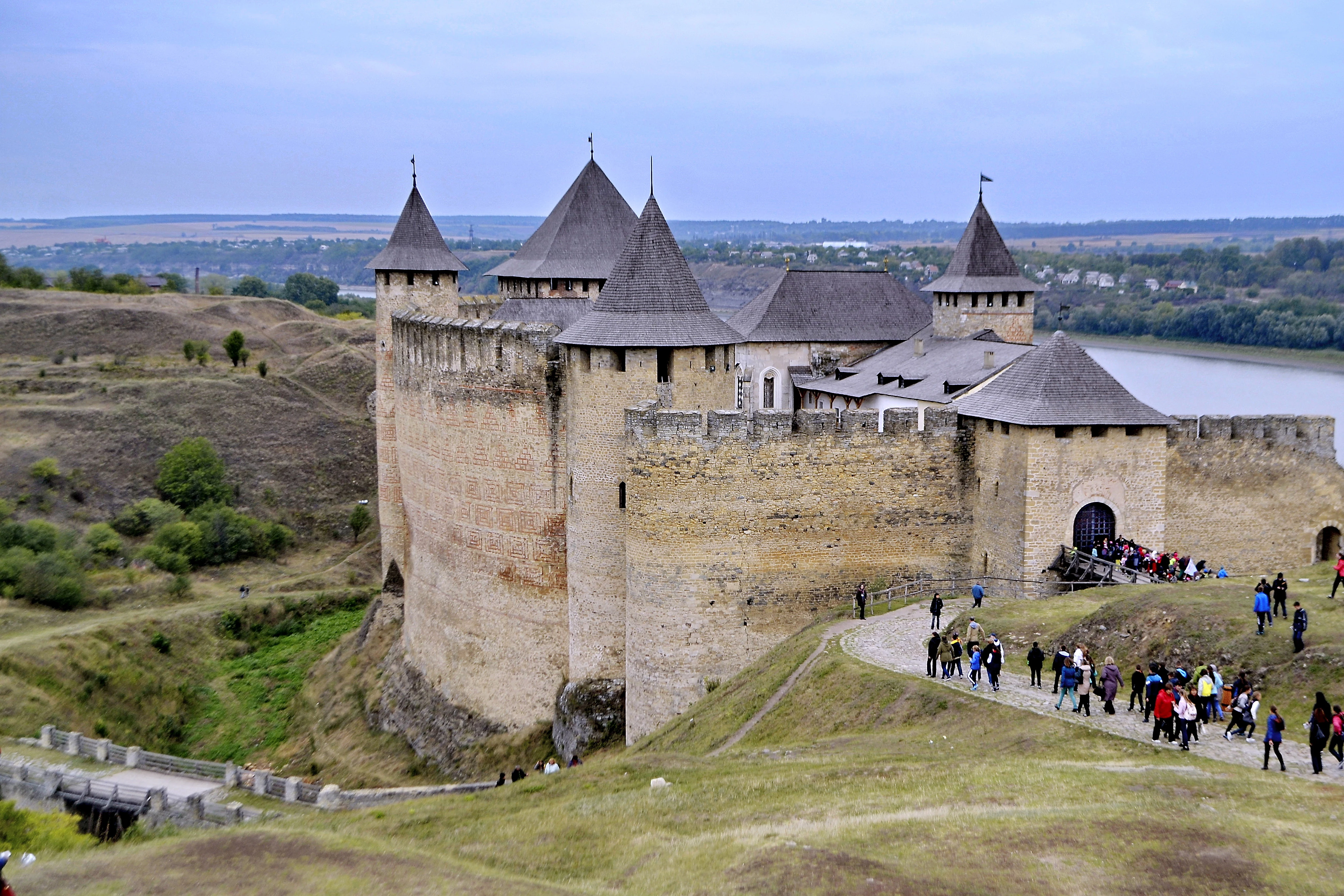
The cultural heritage of Khotyn National Nature Park is highlighted by the presence of Khotyn Fortress, a medieval fortification that stands within the park boundaries and represents a major historical attraction. The fortress is one of the most notable medieval architectural monuments in Ukraine, with a history spanning centuries of regional conflict and settlement. Beyond the fortress, the park contains multiple archaeological and cultural sites that reflect human occupation and use of the Dniester Canyon landscape over time. The park also incorporates several historical landscape and geological features that were recognized as significant before the park's establishment, including the various reserves and monuments that were incorporated into the protected area. The integration of cultural heritage with natural conservation reflects the park's role in preserving both the physical landscape and the historical context of human interaction with this terrain.
Top sights and standout views in Khotyn National Nature Park
The standout features of Khotyn National Nature Park include the dramatic Dniester River Canyon with its steep limestone cliffs, the historic Khotyn Fortress offering medieval architecture within a natural setting, and an extensive karst landscape with more than 30 caves. The park protects one of Bukovina's highest waterfalls at 30 meters near Hrynychka village, fed by a powerful karst spring. The geological diversity encompasses rocks ranging from 2-billion-year-old granite and gneiss to Cenozoic sedimentary formations, creating a living record of Earth's geological history. The combination of terrestrial canyon landscapes, river environments, and reservoir habitats supports exceptional biodiversity including over 1,500 plant species and numerous fish, bird, and mammal species. The park offers developed excursion routes for hiking and ecological study, allowing visitors to experience both the natural and cultural heritage of the Dniester Canyon.
Best time to visit Khotyn National Nature Park
The best time to visit Khotyn National Nature Park depends on the experience visitors seek. The summer months offer warm conditions ideal for hiking the park's trails and exploring the canyon landscape, with the vegetation at its fullest and river activities possible. Autumn brings colorful foliage along the forested slopes and is a pleasant season for scenic walks and photography. Winter transforms the canyon with snow-covered cliffs and frozen surfaces, though some trails may be less accessible. Spring offers the opportunity to see the landscape awakening with new growth and potentially higher water flow in the waterfalls and streams. The four seasons each present distinct character, though the park can be enjoyed throughout the year for different experiences.