Why Małoziemce Nature Reserve stands out
Małoziemce is best known as a dedicated bird protection reserve, established in 1988 to preserve a breeding colony of the grey heron and associated bird species. Its identity is closely tied to its location within the Sobiborski Landscape Park and the larger transboundary Polesie Zachodnie Biosphere Reserve, both of which reinforce its role in protecting wetland-associated birdlife in the Łęczna-Włodawa Lake District.
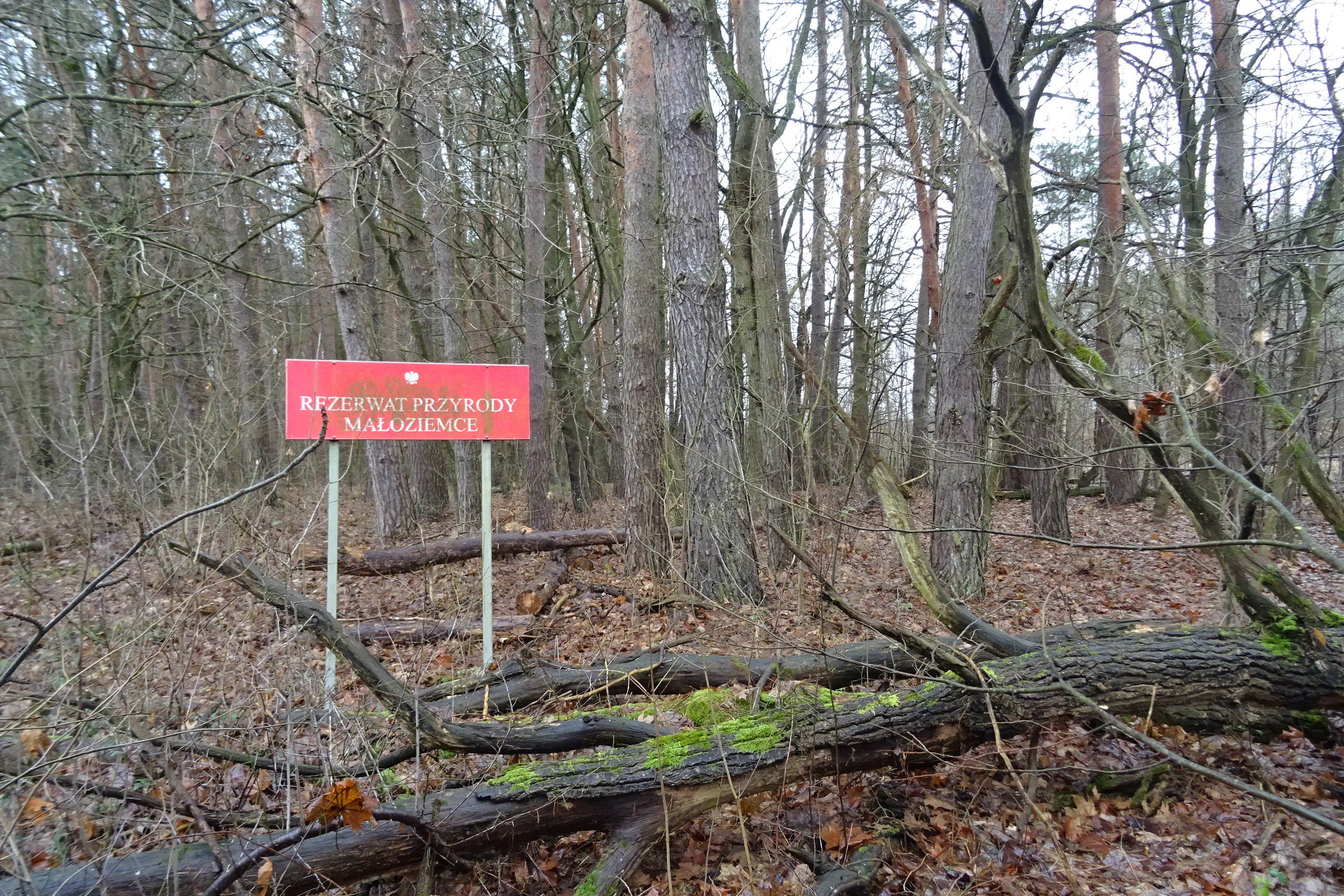
Małoziemce Nature Reserve history and protected-area timeline
Małoziemce Nature Reserve was formally established in 1988 through an order of the Minister of Environmental Protection and Natural Resources, published in Monitor Polski No. 32, item 293. The legal act recognized the site as a faunal nature reserve with the explicit purpose of preserving nesting sites of the grey heron and other bird species.
Its establishment coincided with a broader wave of formal nature protection initiatives in Poland during the late 1980s, when small, biologically focused reserves were created across many regions to safeguard specific wildlife habitats. The reserve's location within the Sobiborski Landscape Park, a larger protected landscape unit, helped integrate its faunal protection goals with the wider landscape-scale conservation framework already in place around the Łęczna-Włodawa Lake District.
In subsequent years, the reserve gained additional international recognition through its inclusion in the Transboundary Biosphere Reserve 'Polesie Zachodnie', extending its conservation context across the border and placing it within a broader European network of protected wetland and forest sites.
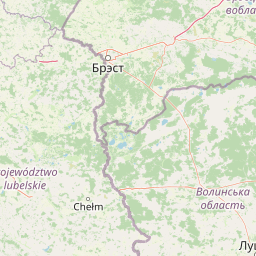
Małoziemce Nature Reserve landscape and geographic character
The reserve sits within the Łęczna-Włodawa Lake District, a lowland post-glacial region marked by a mosaic of lakes, peat bogs, meadows, and forests. The terrain is largely flat, shaped by past glacial activity that left behind the characteristic lake basins and wetland complexes of western Polesie.
Around the reserve, the landscape of the Sobiborski Landscape Park frames the protected site with broader stretches of forest, scattered open water, and marshy lowlands typical of the border region with Ukraine. This setting provides the woodland and wetland conditions needed by colonial nesting waterbirds such as the grey heron.
Although the reserve itself is small in area, it is embedded within a wider landscape where lakes, bogs, and forest stands alternate across the plain, offering a continuous ecological backdrop for the bird species it was created to protect.
Małoziemce Nature Reserve ecosystems, habitats, and plant life
Małoziemce is classified as a faunal reserve, which means its formal protective framework targets animal populations and their habitats rather than geological formations or plant communities. The reserve's ecological value lies primarily in its forested setting, which supports a breeding colony of the grey heron and other bird species.
The broader ecological context is shaped by the Łęczna-Włodawa Lake District, where lakes, peatlands, and woodlands form interconnected habitat networks. Forests around the reserve supply nesting trees for herons and other woodland bird species, while nearby wetlands and open waters in the Sobiborski Landscape Park support feeding and migration-related activity for a wider bird community.
Through its inclusion in the Transboundary Biosphere Reserve 'Polesie Zachodnie', the site's ecological importance is recognized at a regional and international scale, particularly for the conservation of wetland-associated birdlife in the western Polesie region.
Małoziemce Nature Reserve wildlife and species highlights
The reserve's wildlife profile is centered on its role as a breeding site for the grey heron, a colonial nesting waterbird that depends on quiet, wooded wetland edges for its rookeries. Protection of these nesting places is the formal purpose for which the reserve was created.
Beyond the grey heron, the reserve's forested and wetland-adjacent setting supports other bird species associated with the lakes, peatlands, and forests of the Łęczna-Włodawa Lake District. The surrounding Sobiborski Landscape Park extends the available habitat for waterbirds, woodland species, and species that move between nesting, feeding, and migration sites across the broader Polesie region.
Inclusion in the Transboundary Biosphere Reserve 'Polesie Zachodnie' further emphasizes the wildlife significance of the area, placing it within a protected ecological corridor that links Polish and Ukrainian habitats.
Małoziemce Nature Reserve conservation status and protection priorities
Małoziemce's conservation importance is anchored in its formal designation as a faunal nature reserve, a category of Polish protected area that focuses legal protection on animal habitats. By targeting the nesting sites of the grey heron, the reserve safeguards a specific and vulnerable breeding resource within the Łęczna-Włodawa Lake District.
The reserve is nested within the Sobiborski Landscape Park, a broader protected landscape that reinforces conservation of the surrounding forests, lakes, and wetlands. This layered protection helps ensure that habitats adjacent to the colony remain in a condition suitable for breeding, feeding, and seasonal movement of birds.
At a larger scale, Małoziemce lies within the Transboundary Biosphere Reserve 'Polesie Zachodnie', which recognizes the international conservation value of the wetland and forest ecosystems crossing the Polish-Ukrainian border. This biosphere designation frames the small reserve as part of a much wider strategy for protecting the ecological integrity of the western Polesie region.
Top sights and standout views in Małoziemce Nature Reserve
Małoziemce Nature Reserve is a small but ecologically focused protected area in eastern Poland, created specifically to protect a grey heron breeding colony within the Łęczna-Włodawa Lake District. Its position inside the Sobiborski Landscape Park places it within a wider network of protected forests, lakes, and wetlands near the Ukrainian border.
The reserve adds international dimension to its local conservation role through inclusion in the Transboundary Biosphere Reserve 'Polesie Zachodnie', connecting it to broader European efforts to preserve wetland-associated birdlife and forest habitats across borders.