Why Shatsk National Natural Park stands out
Shatsk National Natural Park is best known for its exceptional lake system, particularly Svitiaz Lake, the deepest and largest lake in Ukraine. The park protects one of Europe's most significant groupings of glacial and karst-origin lakes within a forested Polissia landscape. It serves as a major staging area for migratory birds traveling between northern Europe and warmer southern regions, with the wetland complex providing crucial breeding, feeding, and resting habitat. The park's designation as a Ramsar site and UNESCO Biosphere Reserve underscores its international conservation significance, while its designation as one of the Seven Natural Wonders of Ukraine highlights its outstanding natural beauty.
Shatsk National Natural Park history and protected-area timeline
The Shatsk National Natural Park was established by decree of the Council of Ministers of the Ukrainian SSR on 28 December 1983, with an initial area of 32,515 hectares. The park was created to protect and restore the unique natural complexes of the Shatskyi lake district and to ensure the sustainable use of its resources. In March 1986, the park was granted permanent use of 6,761.8 hectares of land. A significant expansion occurred in August 1999 under a presidential decree, increasing the park's total area to 48,977 hectares, with 22,882.6 hectares now under the park's permanent management. The park was originally established on the basis of several state landscape reserves created in 1974, including the Lake Krymne, Lake Pisochne, Lake Pulemetske, and Lake Svitiaz reserves, as well as the Lake Klymivske zoological monument and several hydrological monuments designated in 1975. These earlier protected areas now form the core of the park's conservation zones.
Shatsk National Natural Park landscape and geographic character
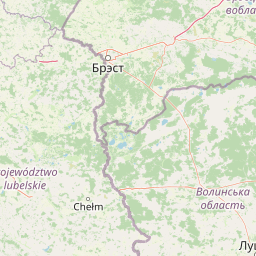
The landscape of Shatsk National Natural Park is characterized by a flat, nearly level terrain typical of the Polissia lowland region, with subtle elevation changes across the territory. The park lies at the edge of the Dnieper Glacier's terminal zone, resulting in a mix of fluvioglacial and glacial moraine deposits beneath the surface. The most distinctive geomorphological features are the numerous lake basins, many formed through karst processes as well as glacial activity. The southern and southeastern portions of the park feature fluvioglacial sandy eskers, while the landscape alternates between higher sandy ridges and marshy depressions. The park occupies a transition zone between the Pripyat and Western Bug river basins along the Main European Watershed, meaning that water from the park can flow toward either the Baltic Sea or the Black Sea depending on the specific drainage system. Surface elevations range from 160 to 180 meters above sea level, with a general轻微 northward slope.
Shatsk National Natural Park ecosystems, habitats, and plant life
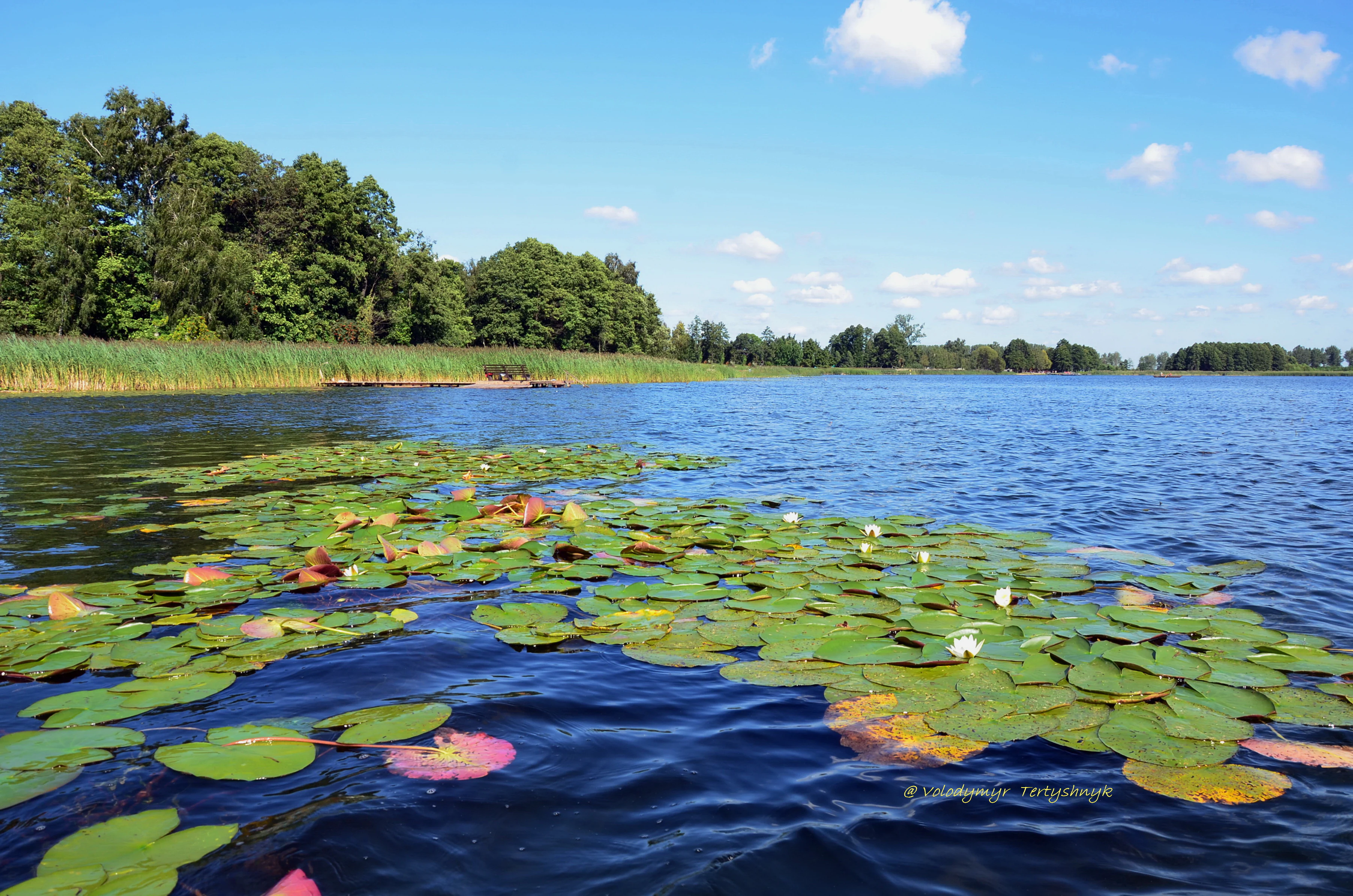
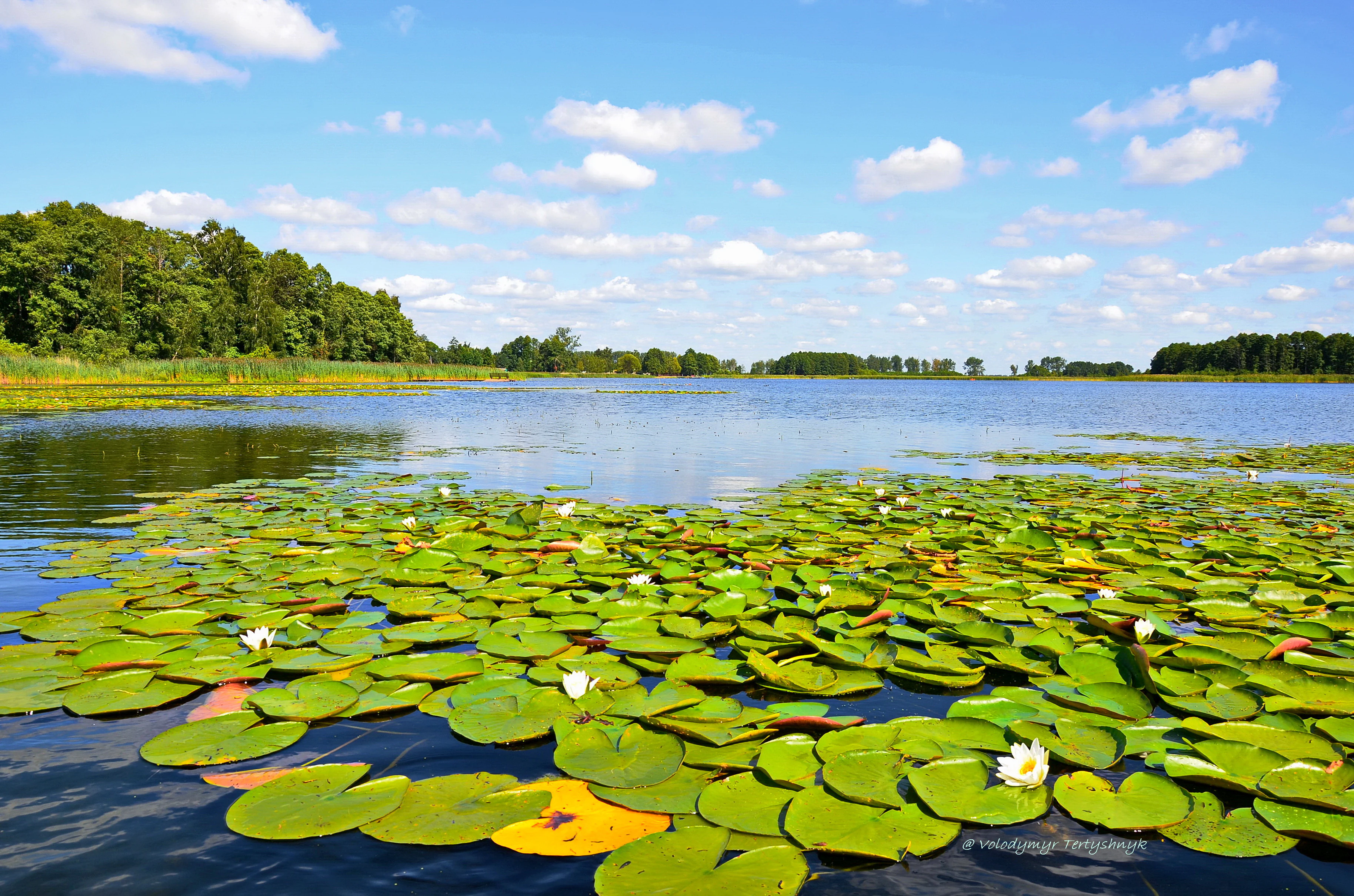
The nature of Shatsk National Natural Park reflects the diverse ecosystems of the Polissia region, encompassing lake, forest, bog, and meadow habitats. Pine and blueberry forests dominate the woodland areas, representing the most characteristic forest type within the park. These pine forests feature a well-developed understory and are particularly valued for berry harvesting. Alder and birch forests occupy the lower-lying wetland areas, while small areas of oak-pine and hornbeam-oak forests occur on soils with better nutrient status. The lake system includes lakes of different origins, with the largest ones such as Svitiaz, Pulemetske, and Pisochne having karst origins, while smaller lakes are primarily fluvioglacial in nature. Wetlands include eutrophic and mesotrophic sedge marshes in lake depressions, with rare oligotrophic bogs also present. The vegetation includes significant populations of rare plant communities documented in Ukraine's Green Book, including pine forest with juniper understory, bearberry pine forests, and rare bog formations.
Shatsk National Natural Park wildlife and species highlights
The wildlife of Shatsk National Natural Park includes representatives of three major faunal complexes: forest, wetland, and synanthropic. Forest-dwelling mammals include elk, wild boar, roe deer, European hare, red squirrel, and various small mammals. Predators include red fox, European polecat, European pine marten, and stoat, while Eurasian lynx and European otter occur more rarely. The park supports significant bird populations, particularly waterfowl and migratory species. Notable birds include the mute swan, grey heron, great crested grebe, and various ducks and waders. The lakes provide important spawning habitat for fish, with approximately 30 species recorded including common roach, bream, northern pike, carp, and the European eel. The park is particularly important for migratory birds, serving as a major rest stop along the East Atlantic and Polissia migration flyways, with over 10,000 birds stopping during spring and autumn migrations. Rare species protected under Ukraine's Red Book include the black stork, white-tailed eagle, and northern wheatear.
Shatsk National Natural Park conservation status and protection priorities
Shatsk National Natural Park holds significant conservation importance at both national and international levels. The park was designated a Ramsar Wetland of International Importance in 1995, recognizing its critical role as waterbird habitat. In 2002, the park became part of the West Polesie Transboundary Biosphere Reserve, a cross-border protected area shared with Poland and Belarus, under UNESCO's Man and the Biosphere Programme. The park contains 27 plant species and 33 vertebrate species protected under Ukraine's Red Book. Fourteen plant communities are protected in Ukraine's Green Book. The park's functional zoning includes a strict nature reserve zone covering 10.5% of the territory, a regulated recreation zone at 26.5%, a stationary recreation zone at 2%, and an economic zone at 61%. Wetland restoration projects conducted between 1999 and 2003 around several lakes have improved water retention and habitat conditions for waterbirds. The park collaborates with Ukrainian universities on scientific research and maintains several research stations.
Shatsk National Natural Park cultural meaning and human context
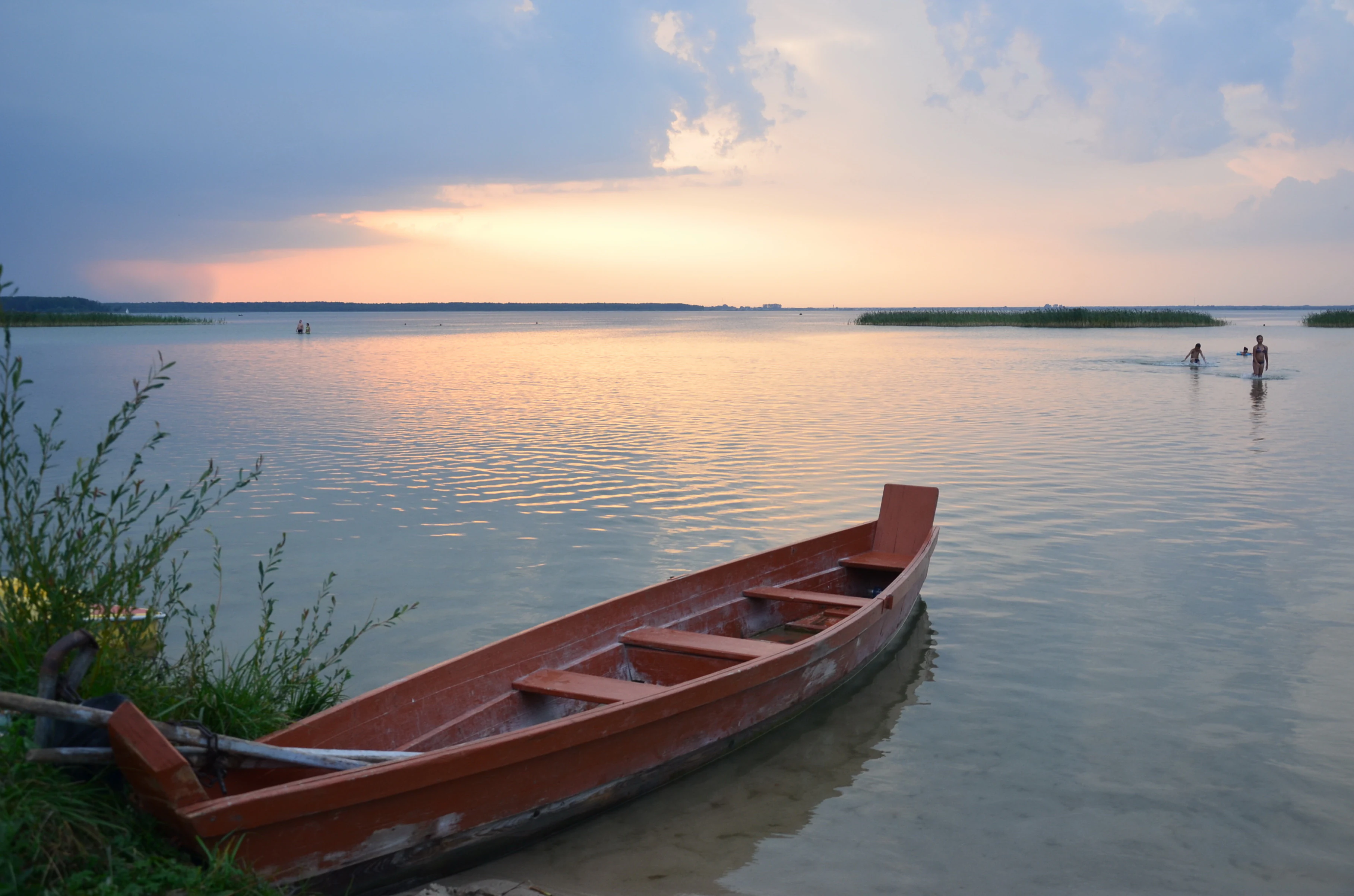
The Shatsk region has a long human history tied to its lake-rich landscape. The settlement of Shatsk gave its name to both the park and the lake group. Local communities have traditionally used the lakes for fishing and the surrounding forests for timber, berry and mushroom gathering, and beekeeping. The region's Polissia cultural identity is reflected in traditional architecture, folk customs, and the local economy historically based on fishing, forestry, and small-scale agriculture. The park contains several historic settlements within its boundaries, and the local community continues to participate in sustainable resource use activities compatible with conservation goals. In summer, the region's population swells significantly as visitors arrive for recreation, with the permanent population of around 6,300 increasing to over 40,000 during peak season.
Top sights and standout views in Shatsk National Natural Park
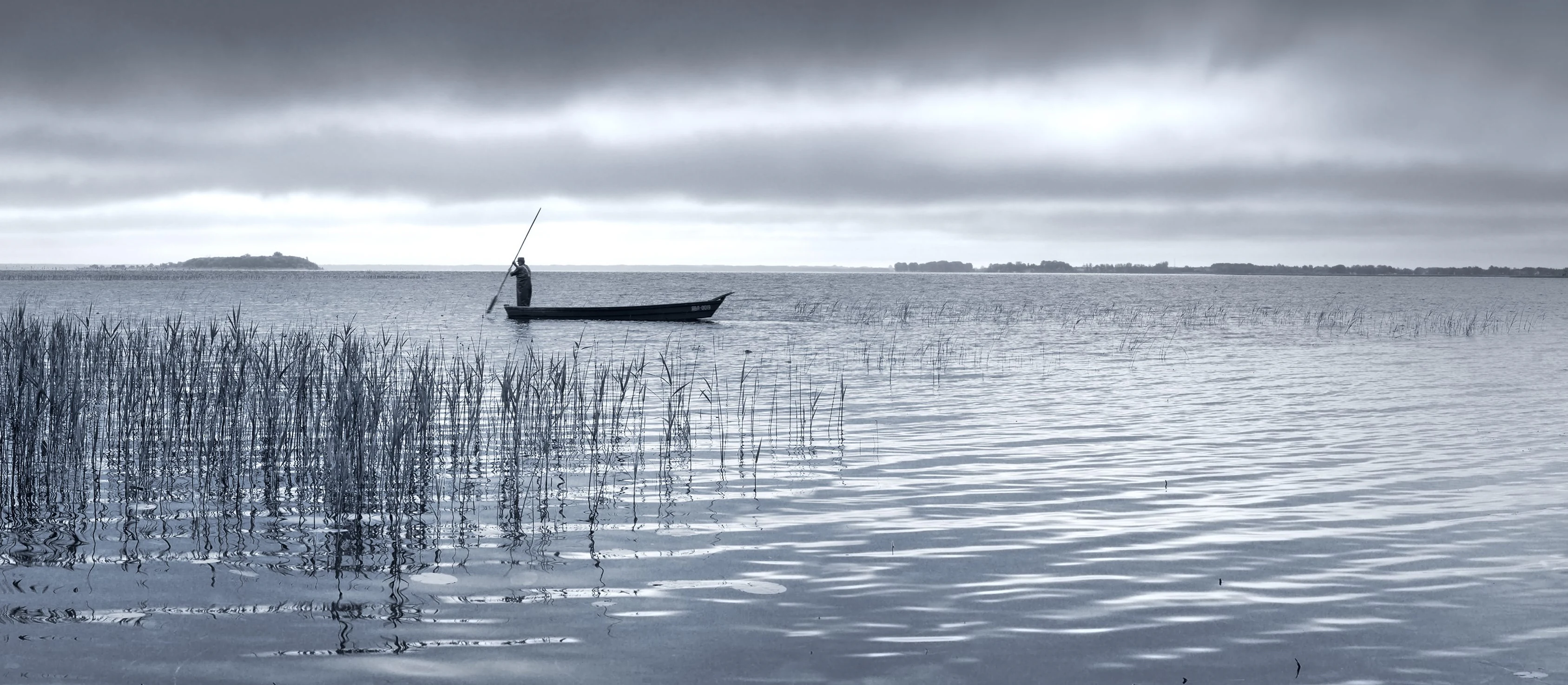
The Shatskyi Lakes represent one of Ukraine's most important natural treasures, forming the largest lake grouping in the country and one of the largest in Europe. Svitiaz Lake stands as the jewel of the park, Ukraine's deepest and largest natural lake, with remarkably clear water that maintains visibility to 8 meters depth in sunny conditions. The park protects critical wetland habitat for migratory birds, serving as a vital rest stop on major European flyways. The diversity of lake types, from deep karst basins to shallow eutrophic bodies, creates a complex ecological mosaic. The pine forests are particularly important for berry harvesting, with blueberries and cranberries historically gathered by local communities. The park's inclusion in the UNESCO World Network of Biosphere Reserves recognizes its role in maintaining ecological processes while supporting sustainable human use of the landscape.
Best time to visit Shatsk National Natural Park
The park can be visited throughout the year, with each season offering distinct experiences. Summer brings the warmest weather and highest visitor numbers, with the lake beaches and swimming areas popular from June through August. This is also the best time for observing aquatic birds and fishing. Autumn offers excellent conditions for mushroom and berry picking in the forests, with September and October providing colorful foliage. Winter transforms the landscape, and while ice fishing occurs on the lakes, access is more limited. Spring, particularly May and June, brings high water levels, bird migrations, and the blooming of wetland vegetation. The shoulder seasons of May and September typically offer fewer crowds while maintaining good conditions for outdoor activities and wildlife observation.