Why Mavinga National Park stands out
Mavinga National Park is best known for its extensive miombo woodland ecosystems, which represent one of Africa's most distinctive woodland types dominated by Brachystegia and Julbernardia tree species. The park is also recognized for its strategic position as the western gateway to the Kavango-Zambezi Trans-Frontier Conservation Area, the largest transfrontier conservation area on the African continent. The park's fire-dependent savanna landscapes and its role in wildlife corridor connectivity between southern African protected areas represent key ecological significance. Additionally, the park embodies Angola's post-war conservation renaissance, being established as part of a major initiative to restore and protect the country's natural heritage after decades of civil conflict.
Mavinga National Park history and protected-area timeline
Mavinga National Park was established in 2011 as part of a significant expansion of Angola's protected area network following the end of the Angolan Civil War in 2002. The park was proclaimed alongside the neighboring Luengue-Luiana National Park, with both areas designated to protect the exceptional ecological and biological value of the region. This creation represented Angola's first major protected area designations in decades, reflecting the government's renewed commitment to conservation as the country transitioned from post-conflict reconstruction to sustainable development.
The establishment of these parks was also driven by Angola's participation in the Kavango-Zambezi Trans-Frontier Conservation Area initiative, a collaborative effort among five southern African countries to create a unified conservation landscape across international boundaries. The civil war had devastated wildlife populations throughout the region, with larger mammals particularly hard hit after decades of conflict and associated poaching pressure. The creation of Mavinga and Luengue-Luiana National Parks provided legal frameworks for protecting remaining wildlife populations and enabling gradual ecosystem recovery.
A formal management plan was developed for the park in 2016, covering the period from 2016 to 2020. This plan identified priority management actions including fire control, anti-poaching efforts, improving connectivity with neighboring conservation areas, reducing human-wildlife conflict, and addressing the legacy of landmines that continue to affect portions of the park. Institutional development priorities included infrastructure improvements, staff capacity building, community engagement, and initial tourism development efforts.
Mavinga National Park landscape and geographic character
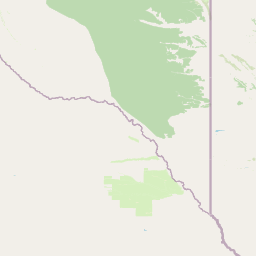
Mavinga National Park encompasses a diverse landscape of tropical savanna and woodland that characterizes much of southeastern Angola. The terrain is dominated by extensive miombo woodlands, a distinctive African vegetation type characterized by deciduous trees from the genus Brachystegia, Julbernardia, Guibourtia, and Cryptosepalum forming a semi-closed canopy. Between the major river systems of the Longa and Cuito, these dense woodlands create an almost continuous forest cover, while more open woodland and grassland patches occur in other portions of the park.
The landscape is shaped by seasonal rainfall patterns that transform the savanna throughout the year. During the wet season, rains recharge seasonal waterways and prompt the growth of fresh vegetation across the grasslands. The open grassland habitats in the park support a different ecological character than the denser woodland areas, providing more open scenery and visibility. The river corridors and associated aquatic vegetation zones create linear habitats that serve as important wildlife movement pathways and provide contrast to the surrounding savanna.
The park's fire-dependent nature is a defining characteristic of its landscape ecology. The tropical savanna environment experiences regular burning, both from natural lightning ignitions during the rainy season and from anthropogenic sources as subsistence farmers within the park use fire for land management. These fires play a natural role in maintaining the savanna ecosystem structure and are integral to the ecological processes that sustain biodiversity in the region.
Mavinga National Park ecosystems, habitats, and plant life
The ecological character of Mavinga National Park is defined by its tropical savanna environment and the extensive miombo woodland ecosystems that dominate the landscape. The park contains five distinct habitat types that have been identified through ecological surveys: open woodland, dense woodland, open grassland, aquatic vegetation, and cultivated land. Each of these habitat types supports different ecological communities and contributes to the overall biodiversity of the protected area.
The dense miombo woodlands between the Longa and Cuito rivers represent some of the most structurally complex habitats in the park, with多层 canopy layers providing diverse microhabitats for numerous species. The tree species composition includes Brachystegia, Julbernardia, Guibourtia, and likely Cryptosepalum, creating a woodland with distinctive ecological characteristics. These forests experience seasonal changes in appearance as the deciduous trees lose their leaves during the dry season, altering the visual character of the landscape.
The cultivated land areas in the northern portions of the park around the towns of Longa and Cuito Cuanavale represent human-modified habitats within the protected area. These agricultural zones create a mosaic of natural and cultivated landscapes that influences wildlife distribution and park management challenges. The aquatic vegetation habitat type occurs along rivers and seasonal water bodies, providing specialized wetland environments important for water-dependent species and contributing to habitat diversity within the park.
Mavinga National Park wildlife and species highlights
Mavinga National Park historically supported rich wildlife communities, though populations were severely depleted during the decades-long Angolan Civil War from 1975 to 2002. According to conservation surveys, more than 150 species of mammals historically occurred in the broader Kuando Kubango region that encompasses the park. Larger mammals were particularly affected by the conflict, with many populations declining dramatically or disappearing entirely from their former ranges.
The wildlife that remains in the park represents a conservation priority, with the protected area providing essential habitat for species recovery. The diverse habitats within the park, ranging from dense woodland to open grassland, support different wildlife communities adapted to various ecological niches. The park's position within the Kavango-Zambezi Trans-Frontier Conservation Area offers hope for eventual wildlife recovery through connectivity with neighboring protected areas in Botswana, Namibia, Zambia, and Zimbabwe.
The challenge of wildlife recovery in Mavinga is intertwined with broader conservation efforts across the KaZa TFCA landscape. As transboundary conservation initiatives progress and wildlife populations in neighboring areas expand, the potential for natural recolonization of recovered habitats in Mavinga increases. The park's management priorities include protecting remaining wildlife populations and creating conditions that support natural regeneration of ecological communities.
Mavinga National Park conservation status and protection priorities
Mavinga National Park represents a critical component of Angola's contribution to regional conservation efforts through its position within the Kavango-Zambezi Trans-Frontier Conservation Area. This vast transfrontier conservation area encompasses portions of five countries and represents Africa's largest cross-border conservation initiative, designed to protect wildlife populations and ecological processes that span international boundaries. The park's creation in 2011 was specifically motivated by the need to conserve areas of high ecological and biological value in southeastern Angola.
The conservation significance of the park extends beyond its own boundaries through its role as part of a connected network of protected areas within the KaZa TFCA. This transfrontier approach recognizes that effective conservation in the modern era must operate across political boundaries, allowing wildlife migrations and maintaining genetic connectivity between populations. Mavinga serves as the western gateway to this conservation landscape, linking to protected areas in neighboring countries and enabling the ecological processes that sustain biodiversity across the region.
Conservation challenges facing the park include managing the legacy impacts of the Angolan Civil War, addressing poaching and illegal logging pressures, controlling the spread of human settlement and cultivation into natural habitats, and maintaining the fire regime that is essential for savanna ecosystem health. The 2016 management plan prioritized fire control, anti-poaching efforts, improving habitat connectivity, and reducing human-wildlife conflict as key ecological management objectives. The presence of landmines in portions of the park from the civil conflict period poses additional challenges for park management and visitor safety.
Mavinga National Park cultural meaning and human context
Mavinga National Park exists within a landscape where human communities and natural ecosystems have interacted for generations. Subsistence farmers reside within the park boundaries, creating a mosaic of protected nature and agricultural land use. These communities practice farming activities that influence the park's landscape, with cultivation prominent in the northern areas around the towns of Longa and Cuito Cuanavale.
The presence of resident communities within the park creates both conservation challenges and opportunities. Human-wildlife conflict represents a management priority, as agricultural activities may encounter wildlife moving through the landscape. Simultaneously, engaging local communities in conservation is essential for the long-term success of protection efforts. The park's management plan emphasizes developing partnerships with local communities, raising awareness about conservation values, and identifying opportunities for communities to benefit from sustainable park management.
The cultural context of the region also includes the legacy of the Angolan Civil War, which displaced communities, disrupted traditional land use patterns, and left environmental impacts including landmines that continue to affect land use and safety. The post-conflict period has seen efforts to restore both human communities and ecological systems, with the establishment of the national park representing an important step in reconciling conservation goals with human development needs in the region.
Top sights and standout views in Mavinga National Park
Mavinga National Park stands out for its vast scale, encompassing nearly 46,000 square kilometers of protected savanna and woodland ecosystems in southeastern Angola. As the western gateway to the Kavango-Zambezi Trans-Frontier Conservation Area, it provides access to Africa's largest transfrontier conservation landscape spanning five countries. The park's extensive miombo woodlands, dominated by Brachystegia and Julbernardia tree species, represent some of the most intact forest habitats in the region. The park's creation in 2011 marked Angola's major post-war commitment to protecting its natural heritage and participating in regional conservation collaboration. The five distinct habitat types within the park, ranging from dense woodland to open grassland and aquatic vegetation zones, create a diverse ecological landscape. The fire-dependent savanna character of the park, where natural and human-ignited fires play essential ecological roles, represents a dynamic landscape that changes dramatically between wet and dry seasons.
Best time to visit Mavinga National Park
Mavinga National Park experiences a tropical savanna climate with distinct wet and dry seasons that influence the character of a visit. The wet season typically brings rainfall from November to March, transforming the landscape with fresh green vegetation and seasonal water sources that attract wildlife. This period offers the opportunity to see the park at its most verdant, though some roads may become difficult to navigate due to wet conditions and certain areas may be less accessible.
The dry season from April through October offers different advantages for visitors, with thinner vegetation making wildlife viewing potentially easier and more consistent access across the park's road network. The cooler dry season months often provide more comfortable conditions for outdoor activities and exploration. However, visitors should be aware that many roads within the park remain in poor condition or are inaccessible due to landmine contamination from the civil war period, and travel planning should account for these logistical constraints.
Year-round, the park's remote location and limited tourism infrastructure mean that visits require careful preparation and realistic expectations about available services and facilities. The best time to visit ultimately depends on individual priorities between seeing the landscape at its greenest versus benefiting from easier accessibility and better wildlife viewing conditions.