Why Miodne Nature Reserve stands out
Miodne is best known for protecting a fragment of mixed forest in which European beech (Fagus sylvatica) occurs near the northern limit of its continuous range in Poland. The reserve functions as a small but ecologically significant reference site for the transition between beech-dominated woodland communities of central Europe and the more coniferous and mixed lowland forests typical of the Masovian lowlands. Its position within the Kozienice Landscape Park adds broader landscape-scale value to what is otherwise a modest patch of woodland.
Miodne Nature Reserve history and protected-area timeline
The reserve was formally established on 11 April 1985 by order of the Polish Minister of Forestry and the Wood Industry, which recognized several sites as nature reserves under the legal framework then in force. The founding decision was published in the Polish legal monitor (Monitor Polski) and identified Miodne as a forest reserve dedicated to protecting a mixed forest stand with significant beech presence.
In December 2001, the Governor of the Masovian Voivodeship issued a regulation consolidating the list of nature reserves located within the voivodeship that had been created by the end of 1998, formally reaffirming the legal status of Miodne among other reserves in the region. More recently, on 10 April 2017, the Regional Director for Environmental Protection in Warsaw issued an administrative order specifically concerning the Miodne reserve, reflecting the ongoing management and regulatory framework that governs protected natural areas in Poland.
These successive legal instruments illustrate the layered character of nature reserve administration in Poland, where founding decisions, regional consolidations, and modern management orders together define the present-day status and protection regime of a site such as Miodne.
Miodne Nature Reserve landscape and geographic character
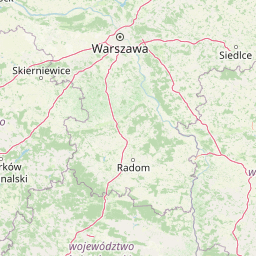
The reserve sits on the Równina Kozienicka, a flat to gently undulating plain in east-central Poland shaped by glacial and post-glacial processes. Sandy soils, low morainic relief, and broad forest tracts define the regional landscape, and the Vistula river system influences local drainage and vegetation patterns nearby.
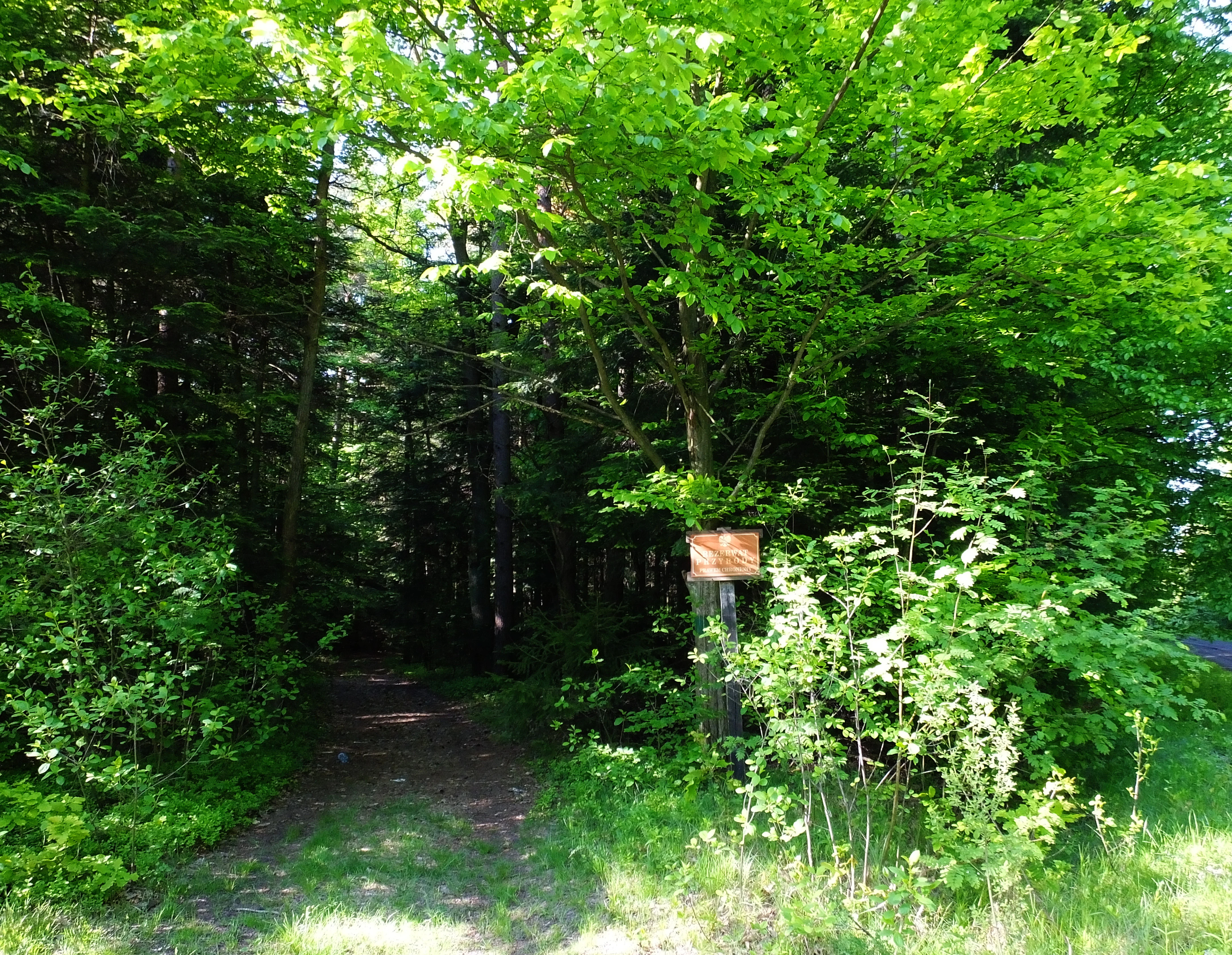
Within this plain, Miodne itself is a wooded patch embedded in a wider forested matrix. The terrain is generally level, with the structure of the reserve determined more by the composition and age structure of its trees than by dramatic landforms. Its visual character is that of a lowland mixed forest: a closed canopy, a relatively continuous forest interior, and gradual transitions to surrounding woodland.
The narrow buffer zone surrounding the core reserve area serves as a transitional landscape feature, helping to reduce the abruptness of the forest edge and to dampen external disturbances reaching the protected stand.
Miodne Nature Reserve ecosystems, habitats, and plant life
The natural value of the reserve centers on its forest vegetation. Miodne protects a fragment of mixed woodland that combines broadleaved species, notably beech, with other deciduous trees and conifers typical of the lowland forests of central Poland. Such mixed forests are ecologically richer than single-species stands and support a more complex understorey and soil community.
The presence of beech is particularly notable. European beech favors cooler, more humid conditions and reaches the northern edge of its continuous range in this part of Poland. Where beech persists near the limit of its distribution, protected sites like Miodne serve as refuges and reference points for the species, and they preserve forest communities that may differ structurally from the pine-dominated forests common elsewhere in the Masovian region.
Active conservation management at the site reflects an understanding that forest composition here is not static; management interventions can be used to favor the persistence of beech and its associated community against competing successional trends or past forestry legacies.
Miodne Nature Reserve conservation status and protection priorities
Miodne's conservation value lies in its function as a small, strictly protected reference site for mixed lowland forest with beech near the northern edge of the species' range. By isolating a representative forest fragment from broader forestry influence, the reserve helps maintain the genetic and ecological continuity of beech and associated woodland species in a region where such stands are relatively uncommon.
The reserve's placement within the Kozienice Landscape Park strengthens its conservation role: the surrounding landscape park provides a wider matrix of protected and semi-natural habitat, while the reserve itself offers a higher level of protection for its core forest. Active conservation management (ochrona czynna) signals that the responsible authorities view the site as one where deliberate interventions may be necessary to maintain the desired forest composition and structure over time.
Top sights and standout views in Miodne Nature Reserve
Miodne Nature Reserve stands out as a compact example of the Polish approach to protecting small but ecologically meaningful forest patches. Its defining features are the mixed forest composition, the presence of beech at the edge of its range, the strict protection status overlaid on a broader landscape park, and the active conservation regime under which the site is maintained. Together these features make the reserve a useful reference point for understanding mixed lowland forests in east-central Poland.