Why Ninety Mile Beach Marine National Park stands out
Ninety Mile Beach Marine National Park is best known for protecting the marine environment along one of Victoria's most celebrated coastal stretches. The park safeguards the underwater ecosystems that exist parallel to the famous Ninety Mile Beach, a straight, unbroken sandy shoreline that defines much of the eastern Victorian coast. The marine national park preserves coastal waters that support diverse marine life and habitats, contributing to the broader ecological integrity of the Gippsland coastal region. What makes this park distinctive is its role in protecting the submerged portion of a landscape that is visually prominent in the region's geography.
Ninety Mile Beach Marine National Park history and protected-area timeline
The Ninety Mile Beach Marine National Park was formally established through government gazettal on 16 November 2002. This designation represented a significant expansion of Victoria's marine protected area network during the early 2000s, when the state committed to comprehensive marine conservation planning. The establishment of the marine national park came as part of broader coastal management initiatives in the Gippsland region, where the relationship between the coastal beach system, the Gippsland Lakes, and surrounding lands had been increasingly recognized for its ecological significance. The park's creation built upon existing conservation frameworks and placed formal protection over waters that had previously lacked specific marine park status. Parks Victoria assumed management responsibility for the protected area, integrating it into the state's system of marine and coastal park management.
Ninety Mile Beach Marine National Park landscape and geographic character
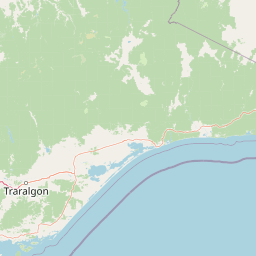
The marine national park encompasses the waters along a coastline characterized by long, straight sandy beaches formed by wave and current processes along the Gippsland coast. The shoreline of Ninety Mile Beach is remarkably linear, stretching for nearly 100 kilometres and representing one of Victoria's most continuous beach formations. The marine park extends offshore into waters that gradually deepen along this section of the Victorian coast. Behind the beach, the landscape transitions to the Gippsland Lakes system, a series of coastal lagoons and wetlands that run parallel to the shoreline. This combination of exposed ocean beach, nearshore waters, and adjacent lagoon systems creates a distinctive coastal landscape. The region sits within a broader coastal plain that extends along eastern Victoria, with the beach forming a clear boundary between the Tasman Sea and the inland wetland systems.
Ninety Mile Beach Marine National Park ecosystems, habitats, and plant life
The marine national park protects coastal and nearshore marine environments along a section of the Gippsland coast. The waters adjacent to Ninety Mile Beach support marine ecosystems that include seafloor habitats, open water environments, and the productive zones where freshwater from the Gippsland Lakes mixes with coastal waters. The region's marine environment is influenced by the nearby lake system, which creates specific conditions where fresh and salt water interact. This coastal zone supports biodiversity associated with temperate Australian marine environments, including species adapted to sandy-bottom habitats and near-shore waters. The marine park exists as part of a connected environmental system that includes the adjacent Gippsland Lakes Coastal Park, creating protection for both the aquatic and terrestrial components of this coastal landscape.
Ninety Mile Beach Marine National Park wildlife and species highlights
The coastal waters of the marine national park provide habitat for various marine species that inhabit the temperate waters of eastern Victoria. The nearshore and shallow waters along Ninety Mile Beach support fish species and invertebrates that are characteristic of this section of the Victorian coast. The broader Gippsland region is known for its birdlife, particularly waterfowl and waders that utilize the coastal wetlands and lagoon systems. While the marine park specifically protects the waters themselves, the interconnected nature of the coastal system means that marine species benefit from the overall protection of this coastal corridor. The region's position along the East Australian coast places it within migratory pathways for various marine and coastal species.
Ninety Mile Beach Marine National Park conservation status and protection priorities
Ninety Mile Beach Marine National Park contributes to Victoria's marine conservation framework by protecting a significant section of the state's eastern coastline. The park's establishment in 2002 added to Victoria's network of marine national parks, which collectively aim to represent the diversity of marine environments found in Victorian waters. The protected area serves conservation purposes by maintaining habitat for marine species and preserving the ecological character of a distinctive coastal section. The park's location adjacent to the Gippsland Lakes Coastal Park creates a complementary conservation approach that protects both marine and coastal terrestrial environments. This integrated approach acknowledges the ecological connections between beach, nearshore waters, lagoons, and wetlands that characterize the Gippsland coast.
Ninety Mile Beach Marine National Park cultural meaning and human context
The Gippsland region has a human history extending back thousands of years, with Indigenous peoples having associations with the coastal environments that now fall within and adjacent to the marine national park. The beach and surrounding lands hold significance in the cultural history of the region. European settlement of the Gippsland coast occurred from the mid-nineteenth century, with the establishment of towns along this section of coastline and the development of fishing and coastal industries. The naming of Ninety Mile Beach reflects historical measurement conventions rather than precise distance, demonstrating how colonial naming practices shaped the way this landscape is identified.
Top sights and standout views in Ninety Mile Beach Marine National Park
The marine national park protects an extensive section of Victoria's coastal waters along one of the state's most recognizable beaches. The protected area forms part of a connected coastal conservation landscape that includes the Gippsland Lakes Coastal Park, creating meaningful protection for both marine and terrestrial environments. The park preserves the underwater ecosystems associated with a long, straight sandy coastline that is visually distinctive in the Victorian landscape. The establishment of this marine protected area in 2002 represents Victoria's commitment to comprehensive marine conservation along its eastern coast.
Best time to visit Ninety Mile Beach Marine National Park
The marine environment can be experienced year-round, though conditions vary with Victoria's temperate seasonal patterns. Summer months bring warmer water temperatures and more stable weather, making this time popular for coastal activities in the region. Winter brings cooler conditions but still offers opportunities to experience the coast. The Gippsland coast experiences the variability typical of southern Australian coastlines, with weather systems moving through periodically. Visitors interested in the broader Gippsland coastal experience often combine exploration of the marine national park area with visits to the adjacent coastal park and the Gippsland Lakes system, as these destinations are located in close proximity to one another.