Why Northern Podillia National Nature Park stands out
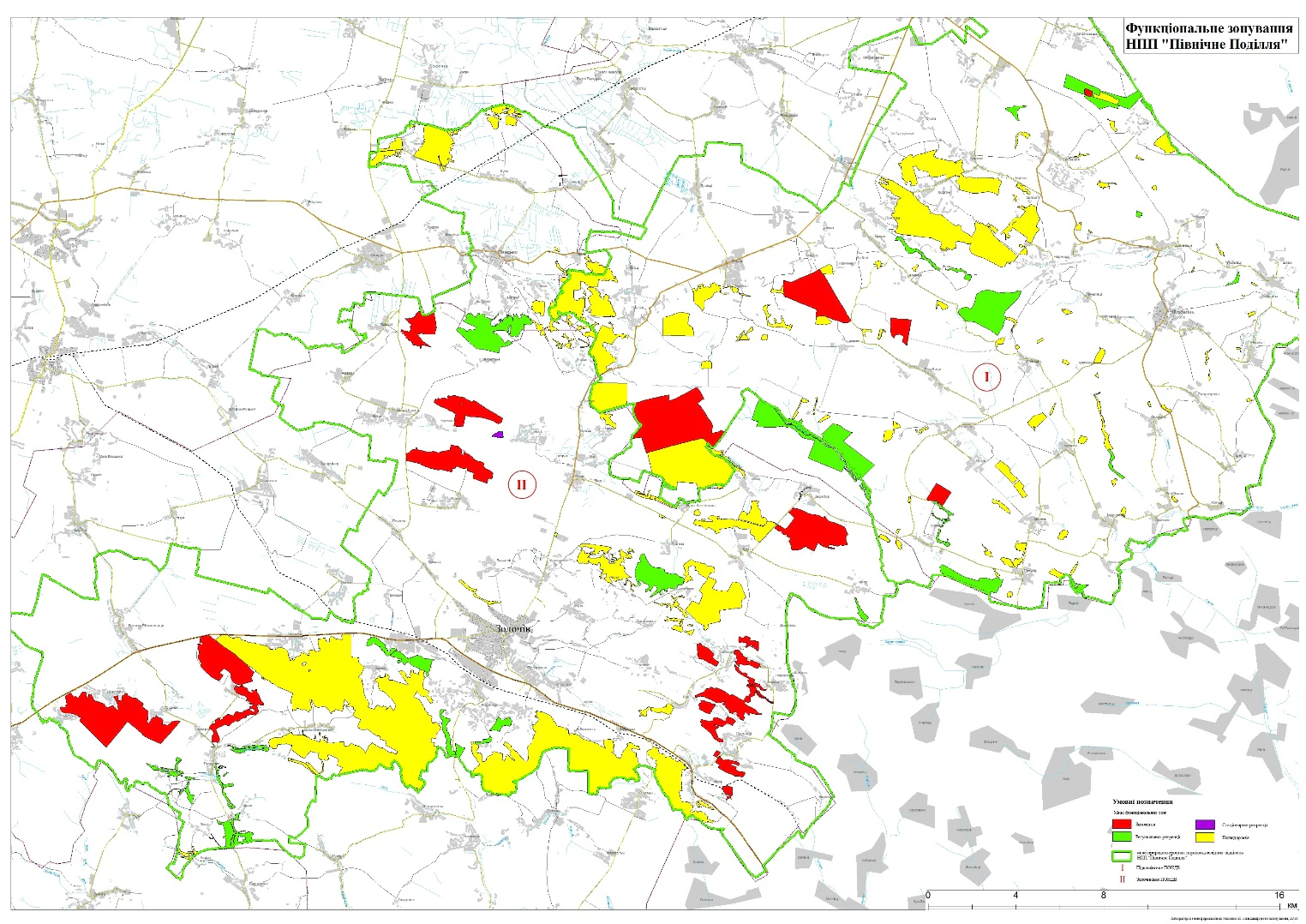
Northern Podillia is best known for its exceptional combination of natural and cultural heritage. The park protects some of Ukraine's finest beech forests growing at their northeastern ecological limit, rare karst lakes known as the Blue Windows, and significant geological features including sandstone outcrops and reef formations from the Sarmatian sea. The area encompasses historical sites of the so-called Golden Ring of Castles of Lviv Oblast, along with monuments from both World Wars. The park preserves the Pienyatskaya nature monument, Europe's first legally protected reserve established by Count Volodymyr Dyuschitsky in 1886 for the protection of white-tailed eagle nesting habitat.
Northern Podillia National Nature Park history and protected-area timeline
The conservation history of Northern Podillia stretches back to the late 19th century, making it one of Ukraine's oldest protected areas. In 1886, Count Volodymyr Dyuschitsky, an amateur ornithologist, established the Pienyatskaya nature monument on his lands, creating Europe's first legally protected reserve with the explicit purpose of preserving unique, indigenous, and rare plant and animal communities for all time. This pioneering act specifically aimed to protect nesting habitat for the white-tailed eagle. In 1904, systematic scientific natural research began to identify objects worthy of protection. The steppe reserve Makrita was created in 1931 near the village of Sukhovolia. During the same period, naturalist Petro Kontnyi established one of Poland's first school nature reserves on Zhulytska Mountain, named after Lviv Archbishop Yozef Bilchevsky. By the end of 1998, 18 protected area objects had been created, forming the scientific basis for establishing the national park. The park was officially created on February 10, 2010, by decree of President Viktor Yushchenko.
Northern Podillia National Nature Park landscape and geographic character
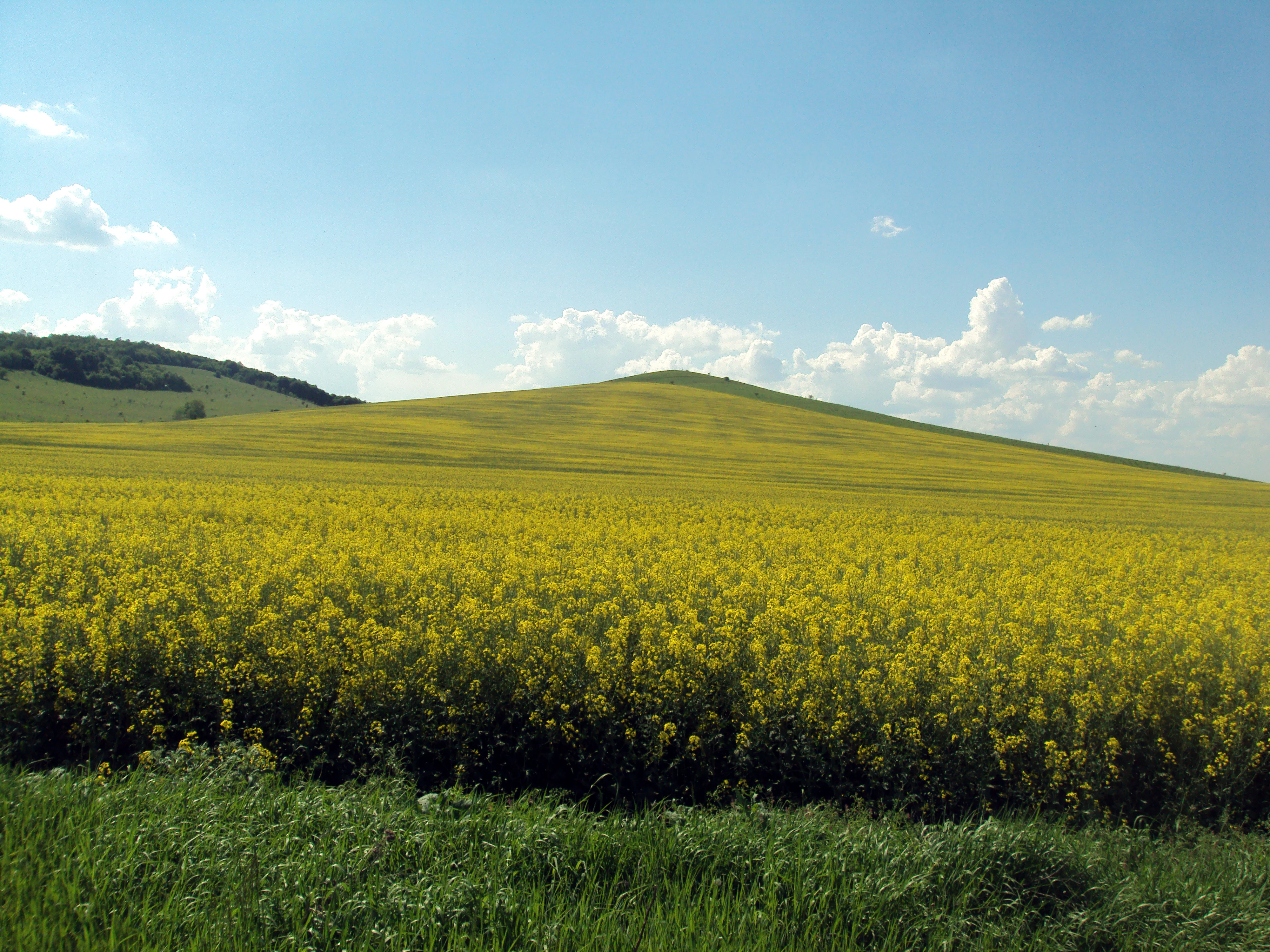
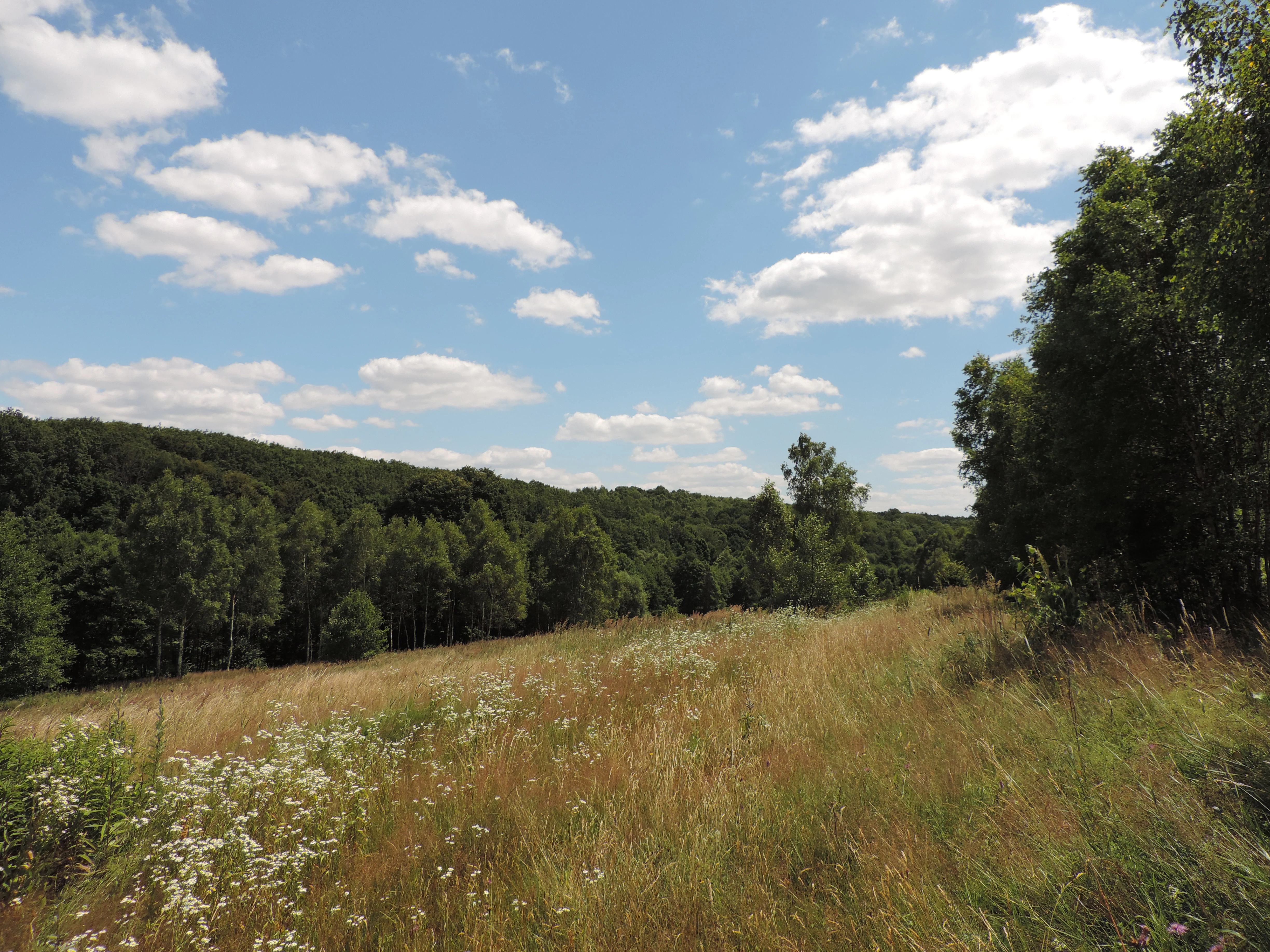
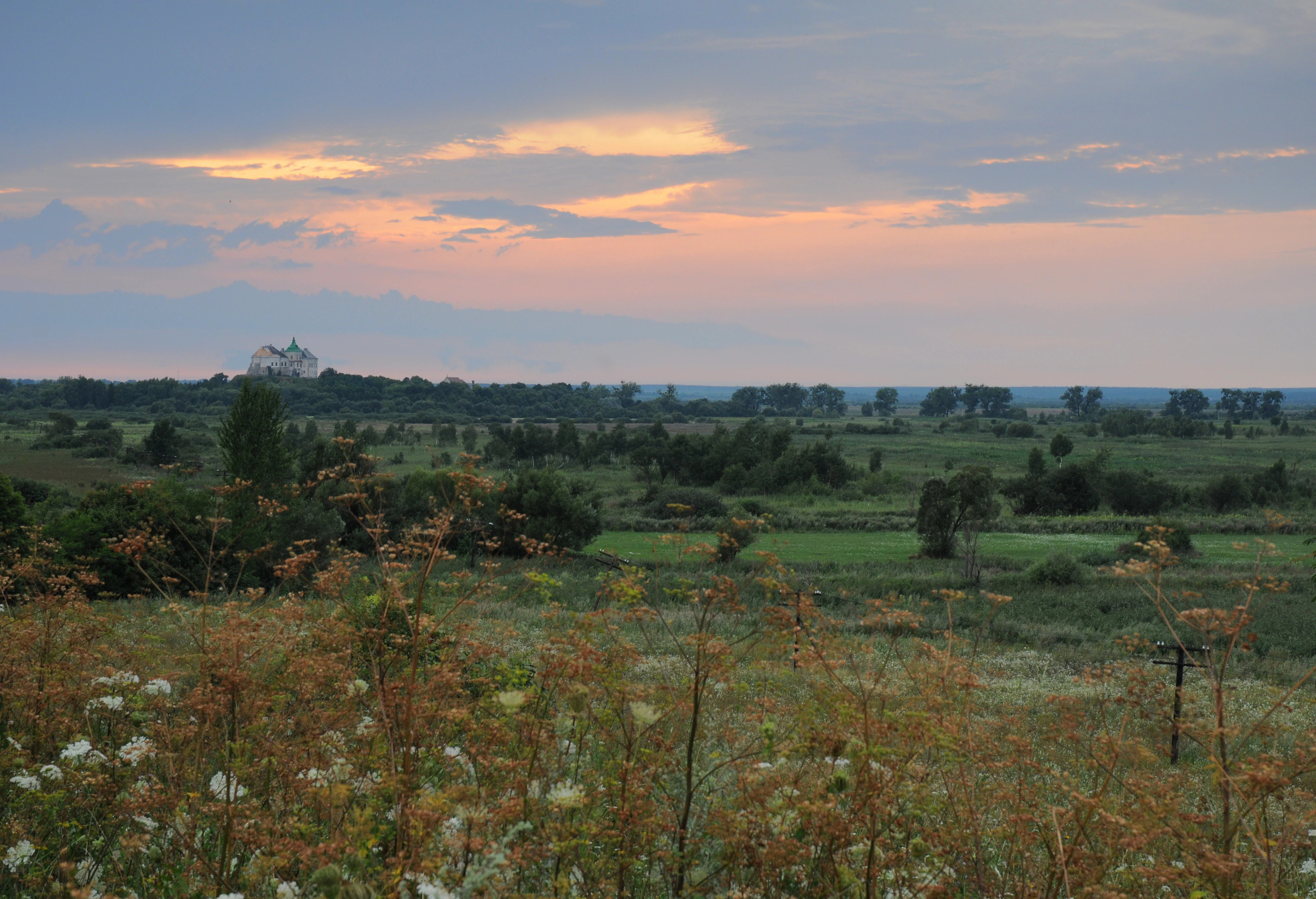
The landscape of Northern Podillia is characterized by its distinctive hilly terrain formed by the Holohory and Voronyaky mountain ranges, which represent the most forested and hilly portion of the northwestern Podolian Upland. These low mountains, reaching elevations between 250 and 460 meters above sea level, feature valley and gully terrain created by ancient geological processes. The terrain encompasses limestone and carbonate sandstone outcrops, with geologically significant karst features including sinkholes, caves, and the characteristic Blue Windows, a series of small karst lakes with distinctive blue coloring formed in sunken limestone formations. The park also preserves erosive remains of sea reefs from the Sarmatian period, known as the Tovtry or Medobory, near the Pidkameni settlement. The Western Bug River valley, with its unique glacial origin rocks including the Great Stone, adds to the landscape diversity.
Northern Podillia National Nature Park ecosystems, habitats, and plant life
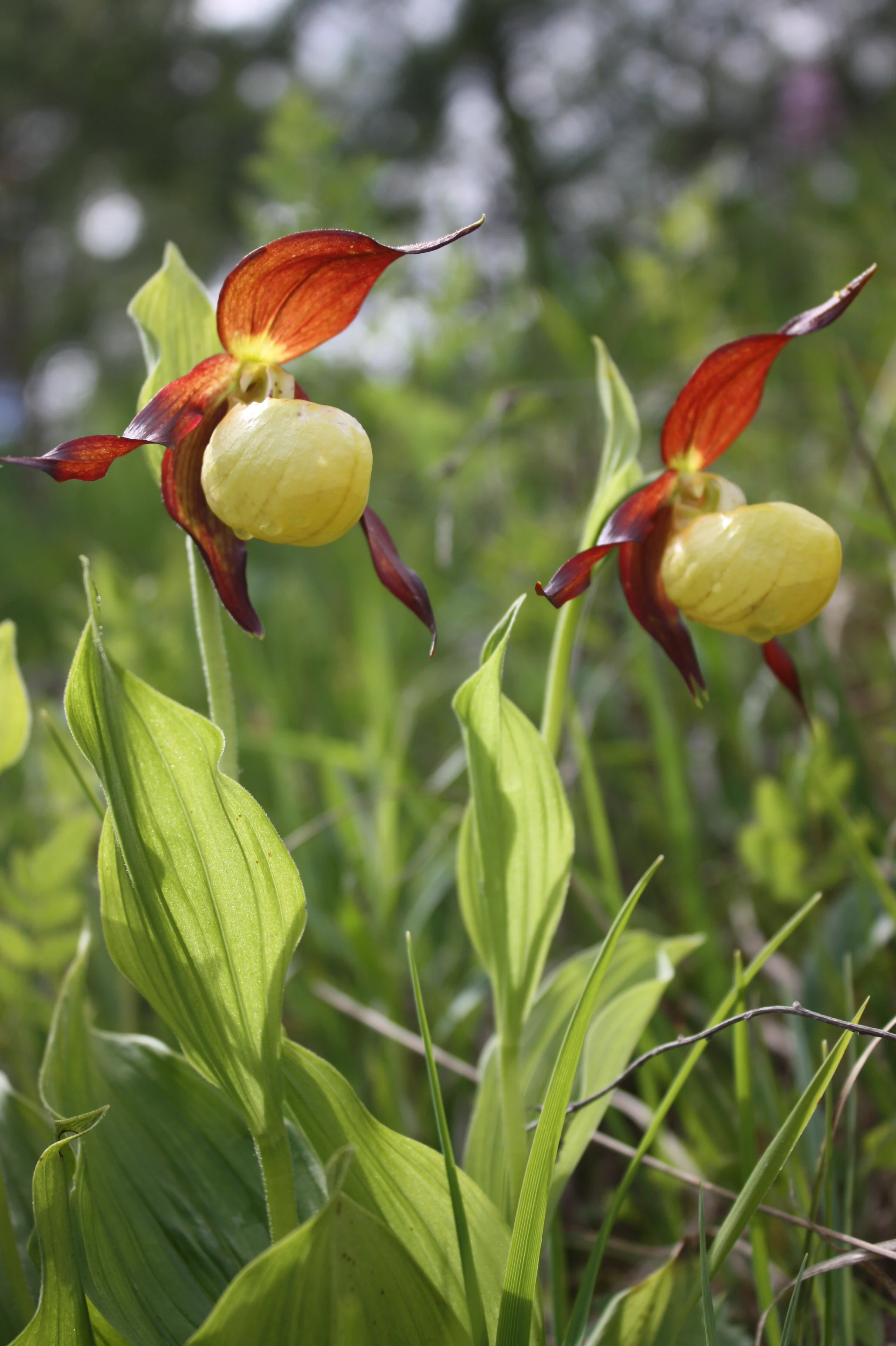
The ecological significance of Northern Podillia is exceptional, with the park lying within the Central European mixed forests ecoregion that covers much of northeastern Europe. The flora includes over 1600 plant species, representing nearly one-third of all plant species found in Ukraine, including 39 moss species, 53 algae species, and 237 species of lower plants and fungi. The park contains over 200 plant species requiring governmental, intergovernmental, or local protection. Particularly significant are the beech forests growing at their northeastern range limit, representing exceptional value in European terms. The territory serves as a boundary zone for important forest habitat-forming species and numerous boreal and nemoral floral elements. The region also contains the headwaters of the Western Bug River, which has international significance as it flows to the Baltic Sea. The park's fauna includes 1411 documented species, with 320 vertebrate species including 239 bird species and 57 mammals.
Northern Podillia National Nature Park wildlife and species highlights
The wildlife of Northern Podillia is remarkably diverse, with 1411 animal species documented including 1091 invertebrates and 320 vertebrates. Among invertebrates, insects dominate with 652 species and arachnids with 293 species. The vertebrate fauna includes 239 bird species, 57 mammals, 11 amphibians, 7 fish species, and 6 reptiles. The park holds exceptional conservation importance with 338 rare species documented, including 30 species listed in the IUCN Red List, 36 in European Red Lists, 96 in the Red Book of Ukraine, and 297 species protected under the Bern Convention. Twenty-four bird species found in the park are listed in the Red Book of Ukraine, representing 27.5% of all birds in that publication, a significant proportion given the region's heavy anthropogenic pressure on habitats.
Northern Podillia National Nature Park conservation status and protection priorities
Northern Podillia National Nature Park plays a crucial role in Ukraine's conservation system, protecting unique ecosystems at their ecological limits and significant biodiversity. The beech forests at their northeastern range limit represent exceptional European-level value, while the karst ecosystems and wetland systems support specialized species. The park protects rare plant communities and serves as habitat for numerous protected species across multiple taxonomic groups. With 338 rare species including significant populations of Red Book species, the park contributes substantially to conservation of Ukraine's natural heritage. The park's management includes monitoring of biodiversity through 11 permanent research plots and scientific studies focused on ecological forecasting and conservation of valuable natural resources.
Northern Podillia National Nature Park cultural meaning and human context
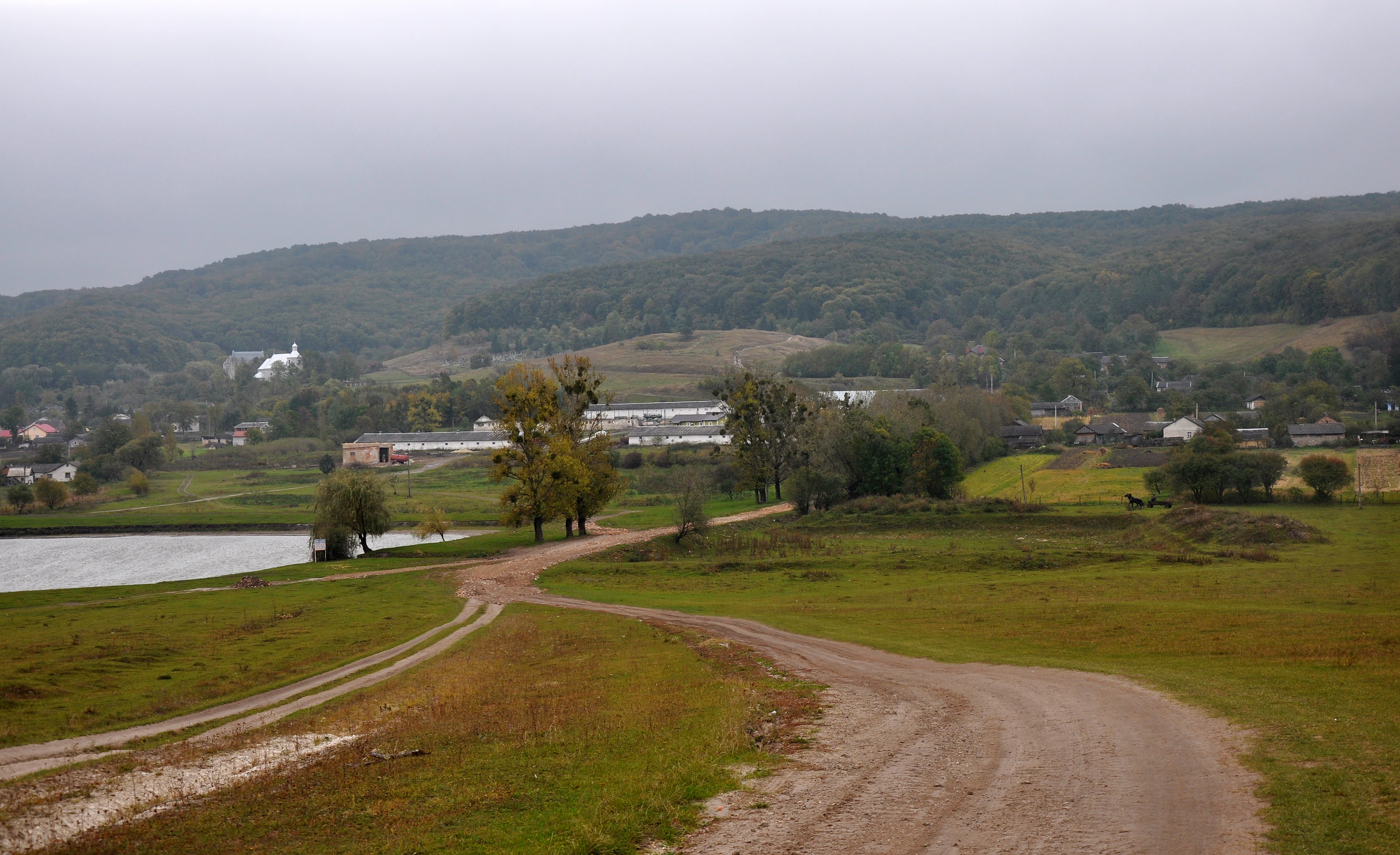
The Northern Podillia region holds significant historical and cultural heritage that the park protects alongside its natural values. The area is part of the so-called Golden Ring of Castles of Lviv Oblast, containing three castles that reflect the region's complex history. Numerous churches and other cultural monuments are found throughout the park territory. The region is associated with events from the First and Second World Wars, including memorial sites dedicated to those killed during World War II. The park also preserves the 600-year-old Linden tree known as Lipa Bohdana Khmelnytskoho, considered the oldest linden tree in Ukraine, and the 348-year-old Oak Witness tree standing 25 meters tall in Brody. The park includes the Pidhirtsky Park, a monumental garden of ornamental art associated with the Lviv National Art Gallery.
Top sights and standout views in Northern Podillia National Nature Park
Northern Podillia stands out for its unique combination of biodiversity, geological features, and cultural heritage. The park protects Ukraine's most significant beech forests at their northeastern range limit, the rare Blue Windows karst lakes, and geological features from the ancient Sarmatian sea. The Pienyatskaya reserve represents Europe's first legally protected area. Six ecological education trails allow visitors to explore the park's diverse landscapes, including the Sviatohirsky, Trynih, Markiianivski, and historical routes connecting ancient settlement sites.
Best time to visit Northern Podillia National Nature Park
The park can be visited throughout the warmer months, with the warmest period being July when average temperatures reach around 18 degrees Celsius. Summer brings warm but not hot conditions with frequent rainfall, particularly in the second half of the season. Autumn is quite moist with frequent fogs, while spring weather is variable and often prolonged. The wettest months are June, July, and September, with 700-800 millimeters of precipitation annually. Winter sees the least precipitation. The moderate continental climate provides suitable conditions for exploration from late spring through early autumn.