Why Port Campbell National Park stands out
Port Campbell National Park is best known for protecting some of Australia's most photographed coastal landscapes, including the world-famous Twelve Apostles rock stacks, the natural arch of London Bridge, the historic Loch Ard Gorge, the Gibson Steps cliff descent, and the geological formation known as The Grotto. These iconic limestone formations, many rising dozens of metres from the ocean, represent the park's defining visual identity and draw millions of visitors each year. The park's cliffs, arches, blowholes, and hidden coves showcase the raw power of coastal erosion in action, creating a continuously evolving landscape that has become emblematic of Victoria's coastline.
Port Campbell National Park history and protected-area timeline
The Port Campbell National Park was officially dedicated on 5 May 1964, initially protecting 700 hectares of coastal land and limestone formations adjacent to the Great Ocean Road. The founding purpose was to preserve the remarkable limestone cliffs and rock formations that line this section of Victoria's coast. By 1981, the park had expanded significantly to its current extent of 1,750 hectares, with the boundary extended from the eastern side of Curdies Inlet at Peterborough westward to Point Ronald at Princetown. In 2002, the park became involved in a marine protection controversy when the Port Campbell Professional Fishermen's Association attempted to block the creation of a proposed marine national park at the Twelve Apostles location. The fishermen's group later expressed satisfaction with the Victorian Government's decision to prohibit seismic exploration by Benaris Energy at the site, which they believed would harm marine life in the area.
Port Campbell National Park landscape and geographic character
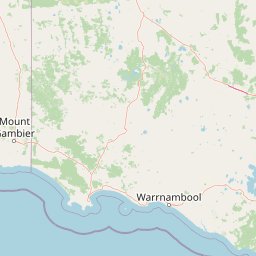
The landscape of Port Campbell National Park is defined by towering vertical limestone cliffs that drop directly into the churning waters of the Southern Ocean. These cliffs, some reaching heights of over 70 metres, have been sculpted by millennia of wave action into a complex terrain of crevices, caves, arches, and blowholes. Offshore, numerous limestone islands and rock stacks rise from the sea, the most famous being the Twelve Apostles, though only eight of these formations remain visible today after continued erosion. The cliff tops are exposed to relentless salt-laden winds from the Southern Ocean, creating a harsh environment where only the most resilient vegetation can survive. Between the major headlands, small sandy beaches are tucked into coves and gorges, accessible only by steep descents or via the ocean itself. The terrain is rugged and largely inaccessible away from established viewing areas and walking tracks, with the landscape presenting an ever-changing character as erosion gradually transforms the coastline.
Port Campbell National Park ecosystems, habitats, and plant life
Despite the harsh coastal conditions, Port Campbell National Park supports a range of vegetation communities adapted to the salt-laden winds and exposed conditions. The cliff tops support fragile grasslands and heaths featuring species such as sun orchid and spider orchid. In more sheltered areas, visitors can find beard-heath, bower spinach, coast daisy bush, various daisy species, and cushion bush. The wilder terrain back from the cliff edge supports she-oaks, dogwoods, correa, messmate, trailing guinea-flower, woolly tea-tree, and scented paperbark. These plant communities have developed in equilibrium with the challenging maritime climate, creating a distinctive coastal flora that differs markedly from the wet forests of the nearby Great Otway National Park.
Port Campbell National Park wildlife and species highlights
The wildlife of Port Campbell National Park is dominated by bird species, with ornithological diversity being a notable feature of the park's fauna. Common bird species include various honeyeaters, southern emu-wrens, swamp harriers, rufous bristlebirds, peregrine falcons, pelicans, ducks, black swans, and egrets. The shoreline provides important habitat for penguins, terns, and dotterels, with hooded plovers nesting in exposed locations along the coast. Offshore, Australasian gannets, wandering albatrosses, and short-tailed shearwaters can be observed patrolling the waters beyond the cliffs. Land-dwelling mammals in the park include southern brown bandicoots, swamp antechinuses, and echidnas, though these species are less frequently observed than the birdlife.
Port Campbell National Park conservation status and protection priorities
Port Campbell National Park protects a significant portion of Victoria's most iconic coastal landscape, preserving both the geological formations and the fragile ecosystems that exist within this harsh maritime environment. The park's coastal cliffs and offshore islands provide important breeding and resting habitat for seabirds, while the native vegetation communities represent resilient examples of plant adaptation to extreme coastal conditions. The park forms part of a larger coastal protection network that includes the adjacent Great Otway National Park and the Bay of Islands Coastal Park, as well as the Twelve Apostles Marine National Park. This coordinated protection approach recognizes the interconnected nature of the terrestrial and marine environments along this section of Victoria's coast.
Port Campbell National Park cultural meaning and human context
The Port Campbell coastline is historically known as the Shipwreck Coast, a name reflecting the numerous vessels that have been lost along this dangerous shoreline since European settlement of Victoria began. The dramatic cliffs and hidden coves that make the landscape so visually appealing also created hazardous conditions for sailing vessels, particularly during the winter months when storms from the Southern Ocean battered the coastline. The park contains sites of maritime historical significance, including Loch Ard Gorge, where the ship Loch Ard ran aground in 1878 in one of Victoria's most famous shipwreck tragedies. This historical dimension adds cultural depth to the park's natural landscape, connecting the geological formations to human stories of survival and loss.
Top sights and standout views in Port Campbell National Park
Port Campbell National Park showcases some of Australia's most spectacular coastal geology, with the Twelve Apostles standing as the park's most famous icons. Beyond these famous rock stacks, the park offers visitors the natural wonder of London Bridge, a double-arched limestone formation; the historic Loch Ard Gorge where a famous shipwreck survivor once emerged from the surf; the Gibson Steps that descend the cliff face to a sandy beach; and The Grotto, a sinkhole formation accessible by a staircase. The park provides numerous viewing platforms along the Great Ocean Road, making the dramatic landscapes accessible to all visitors regardless of fitness level. Walking tracks connect many of the key viewing areas, allowing visitors to experience different perspectives of the coastline.
Best time to visit Port Campbell National Park
Port Campbell National Park can be visited throughout the year, though the experience varies considerably with the seasons. The summer months of December through February typically bring larger visitor numbers and more comfortable temperatures, with the coastal breeze providing some relief from inland heat. Winter months from June to August often feature dramatic storm conditions, with huge waves crashing against the cliffs creating spectacular displays of raw oceanic power, though some viewing areas may be affected by closures during severe weather. The shoulder seasons of autumn and spring offer a balance between manageable visitor numbers and favorable viewing conditions. Regardless of season, visitors should be prepared for changeable weather and strong winds, particularly on exposed cliff-top areas.