Why Siniaka-Minia National Park stands out
Siniaka-Minia National Park is best known for its role as a flagship conservation area in Chad, originally established to protect the black rhinoceros. The park encompasses a remarkable diversity of habitats ranging from open savanna plains to wetland areas, supporting populations of greater kudu, red-fronted gazelle, oribi, roan antelope, lion, and cheetah. It gained notable recognition in 2022 when African Parks conducted the largest buffalo translocation in history, moving over 900 animals from Zakouma National Park to bolster wildlife populations. The park's management by African Parks since 2017 has brought increased anti-poaching efforts and infrastructure development to this ecologically significant region of central Africa.
Siniaka-Minia National Park history and protected-area timeline
Siniaka-Minia was established in 1965 as a protected reserve with the specific goal of conserving black rhinoceros populations in central Chad. The designation reflected the species' historical presence in the region and the need for formal protection measures. Initially categorized as an IUCN Category IV protected area, the reserve was created to manage habitats and protect species populations. However, despite the protective status, poaching pressures proved overwhelming, and the black rhinoceros was driven to local extinction by the late 1970s. For decades, the reserve continued to function with limited resources and ongoing challenges from illegal hunting. A significant turning point occurred in 2017 when management responsibilities were transferred to African Parks, a nonprofit organization that had demonstrated success at Zakouma National Park. This partnership brought new resources, professional management, and improved anti-poaching capabilities to the reserve. In 2022, the reserve received a major wildlife boost when African Parks conducted the largest buffalo translocation ever undertaken, moving over 900 animals from Zakouma National Park to strengthen populations and reduce pressure on surrounding agricultural lands. The following year, in 2023, the reserve was formally elevated to national park status, marking a new chapter in its conservation history and reflecting Chad's strengthened commitment to protecting this landscape.
Siniaka-Minia National Park landscape and geographic character
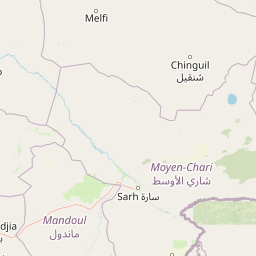
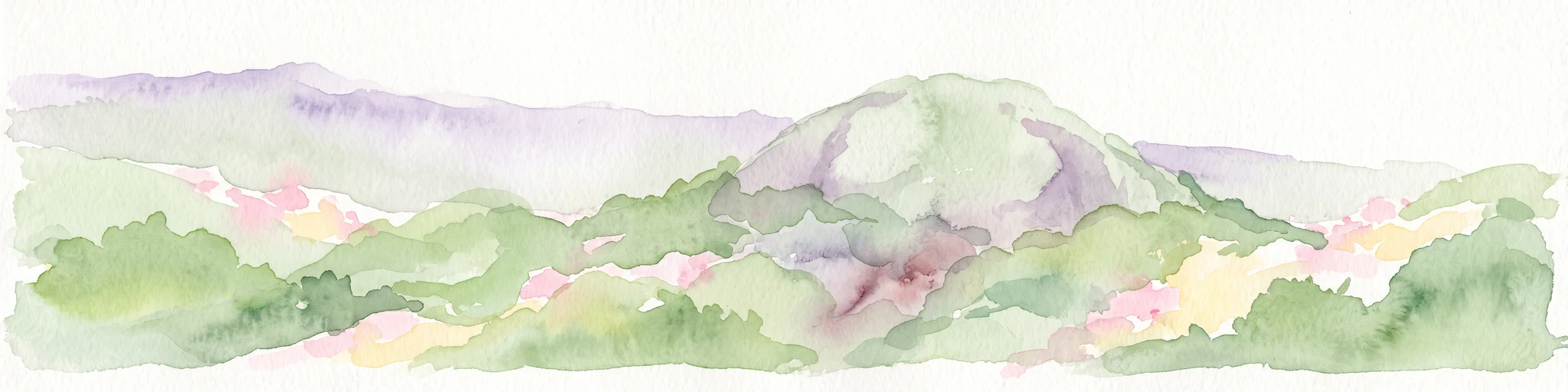
The physical landscape of Siniaka-Minia National Park is characterized by its distinctive combination of flat savanna plains and mountainous terrain. The park sits on a large plain area that extends across much of the protected territory, providing open vistas and typical African savanna scenery. This plain is backdropped by a prominent massif that rises to 1,613 meters, creating a dramatic eastern boundary and adding topographic diversity to the park. The hydrological system is defined by two main river courses, the Siniaka River and the Dorioum River, both of which are ephemeral in nature. These rivers flow during wet seasons but dry up for significant portions of the year, leaving only isolated water holes scattered across the landscape. These water holes become critical refuges for wildlife during the hot summer months when surface water becomes scarce. The combination of open plains, mountain backdrop, and seasonal water systems creates a landscape of ecological importance that supports both savanna and wetland habitats within a relatively compact geographic area.
Siniaka-Minia National Park ecosystems, habitats, and plant life
The ecological character of Siniaka-Minia National Park encompasses a notable diversity of habitat types across its 4,260 square kilometer extent. The park transitions between distinct vegetation zones, with the southern portions characterized by Sudan savanna consisting of grasslands and scattered trees, while the northern areas feature thorny bush vegetation typical of more arid regions. Between these extremes, the park contains important wetland areas that provide critical habitat diversity and support water-dependent species. The variety of ecosystems from savanna to wetlands gives the park ecological significance beyond what a single habitat type would provide. The presence of seasonal rivers and remaining water holes during dry periods creates ephemeral wetland features that are vital for wildlife survival. This ecological diversity, while facing pressures from poaching and human activity, remains the foundation for the park's conservation value and supports the diverse wildlife species that inhabit the area.
Siniaka-Minia National Park wildlife and species highlights
Siniaka-Minia National Park supports a range of notable wildlife species despite the significant challenges the ecosystem has faced. The park was originally established to protect black rhinoceros populations, though this species was lost to poaching by the late 1970s. The protected area continues to harbor several threatened species including greater kudu, red-fronted gazelle, oribi, and roan antelope. Predatory species present in the park include lion and cheetah, representing important apex predators within the ecosystem. A major wildlife restoration effort occurred in January and February 2022 when African Parks conducted the largest buffalo translocation in history, moving over 900 African buffalo from Zakouma National Park to Siniaka-Minia. Many of these animals came from a herd at the outskirts of Zakouma that risked moving into agricultural lands, making the translocation beneficial for both wildlife and local communities. The park's wildlife populations continue to face pressures from poaching, but the presence of multiple threatened species maintains its conservation significance.
Siniaka-Minia National Park conservation status and protection priorities
Siniaka-Minia National Park holds significant conservation importance within Chad's protected area network, despite facing persistent challenges. The park was originally established to protect black rhinoceros populations, reflecting the species' historical presence in the region, and maintains designation as an IUCN Category IV protected area. While the black rhinoceros was lost to poaching decades ago, the park continues to preserve habitat for multiple threatened species including greater kudu, red-fronted gazelle, oribi, and roan antelope. Conservation management by African Parks since 2017 has brought increased anti-poaching efforts, though well-armed hunters continue to pose difficulties for effective surveillance. The organization has prioritized wildlife monitoring, infrastructure development, and collaboration with local law enforcement. The elevation to national park status in 2023 signaled Chad's strengthened commitment to conservation in the region. Ongoing challenges include the need for adequate personnel and equipment for effective patrol operations, while the park's mammal populations require continued protection. The 2022 buffalo translocation demonstrated active habitat management and species restoration efforts that go beyond basic protection.
Siniaka-Minia National Park cultural meaning and human context
Siniaka-Minia National Park exists within a landscape where local communities maintain agricultural activities, particularly farming that brings them into proximity with the protected area. The establishment and expansion of the park have created some tensions with local farmers regarding land use. The Minister of the Environment, Fisheries and Sustainable Development has committed to supporting local residents with access to water and other measures to sustain their economic activities. This human dimension reflects the reality that protected areas in Chad function within a context of ongoing human settlement and land use, requiring careful balance between conservation goals and community livelihoods.
Top sights and standout views in Siniaka-Minia National Park
Siniaka-Minia National Park stands out as a major conservation landscape in central Chad, featuring dramatic mountain-backed savanna scenery and diverse habitats ranging from open plains to wetlands. The park's upgrade from reserve to national park in 2023 marked an important milestone, while the 2022 buffalo translocation of over 900 animals represented the largest such effort in history. The area provides crucial habitat for species including greater kudu, red-fronted gazelle, roan antelope, lion, and cheetah. Management by African Parks has brought renewed conservation focus and anti-poaching efforts to a region that had struggled with wildlife crime. The ephemeral river systems and seasonal water holes create a dynamic landscape that cycles between wet and dry conditions, adding ecological interest to this significant protected area.