Why Slītere National Park stands out
Slītere National Park is best known for its exceptional birdwatching opportunities along the Baltic migratory flyways, where observations of up to 60,000 birds per hour have been recorded during peak migrations at Cape Kolka. The park's signature landscape feature is the Zilie Kalni (Blue Hills), a distinctive geological formation that supports rich broadleaf forests on the ancient Baltic Ice Lake shoreline. The park also contains unique dune and bog complexes called kangari and vigas, which create a specialized habitat mosaic found nowhere else in Latvia. Additionally, the park protects critical grey seal nurseries along its Baltic coast, representing the most southerly location for this species worldwide.
Slītere National Park history and protected-area timeline
The protected status of Slītere dates to 1923 when the area was first designated as the Slītere Nature Reserve, or "aizsargu mežs" (protective forest), covering approximately 1,100 hectares. At the time of its establishment, this represented the largest nature reserve among the protected areas in Latvia. The reserve maintained this status until 1977, when the Latvian Soviet Socialist Republic Council of Ministers issued Decision No. 241, creating the Slītere State Reserve with an expanded territory of 15,037 hectares.
Following the restoration of Latvia's independence and the establishment of the Ministry of Environmental Protection and Regional Development, the administration of the State Reserve transitioned to state oversight. In 2000, a new law established Slītere National Park, increasing the protected area to approximately 16,360 hectares of land and 10,130 hectares of marine waters. A subsequent law passed in 2015 adjusted the boundaries, removing the marine territory from the national park designation while maintaining terrestrial protection. The current land area measures 16,414 hectares following precise surveying.
In 2004, Slītere National Park was incorporated into the NATURA 2000 network of European significance protected areas, recognizing its contribution to conservation of habitats and species protected under European Union directives. The park is managed by the Nature Conservation Agency (Dabas aizsardzības pārvalde), with the regional administration and park's nature center located in the Slītere forest district.
Slītere National Park landscape and geographic character
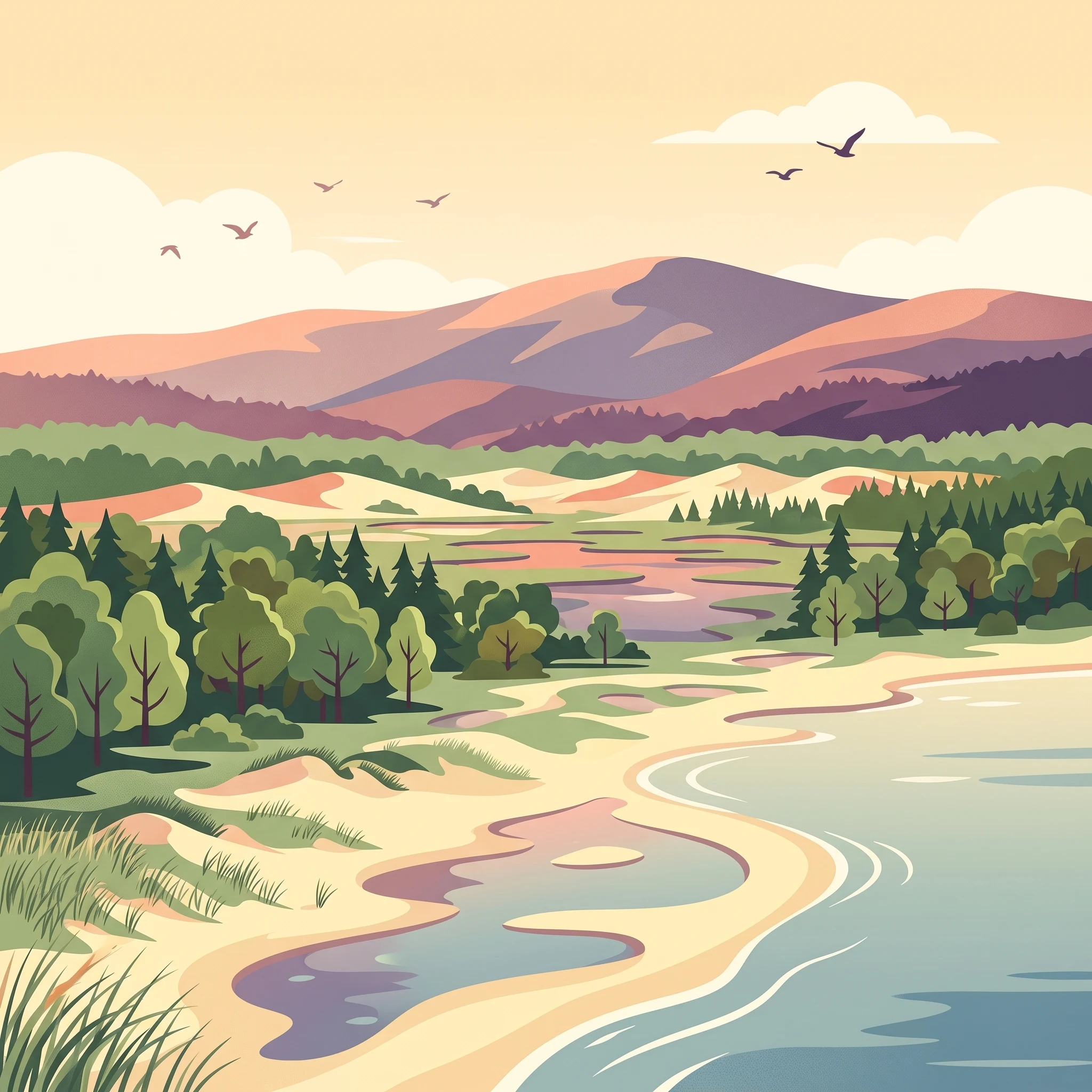
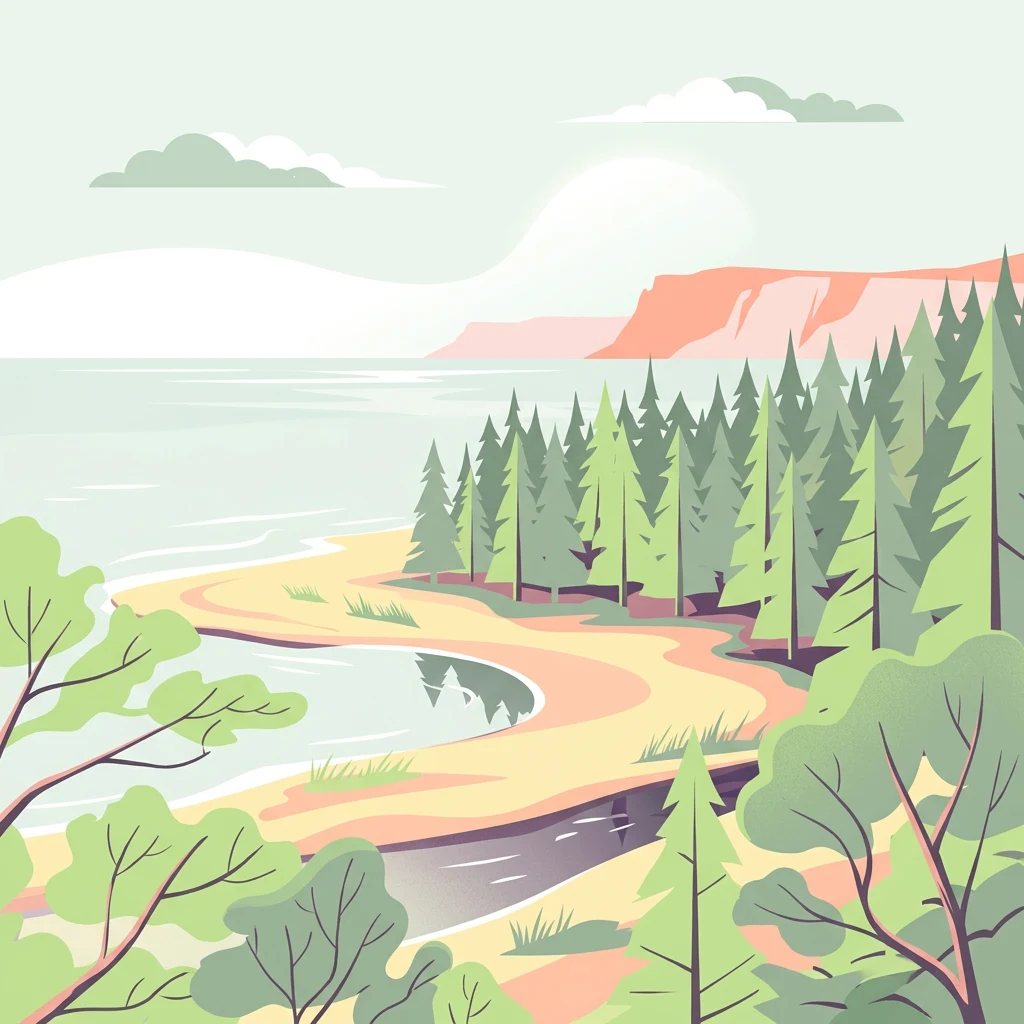
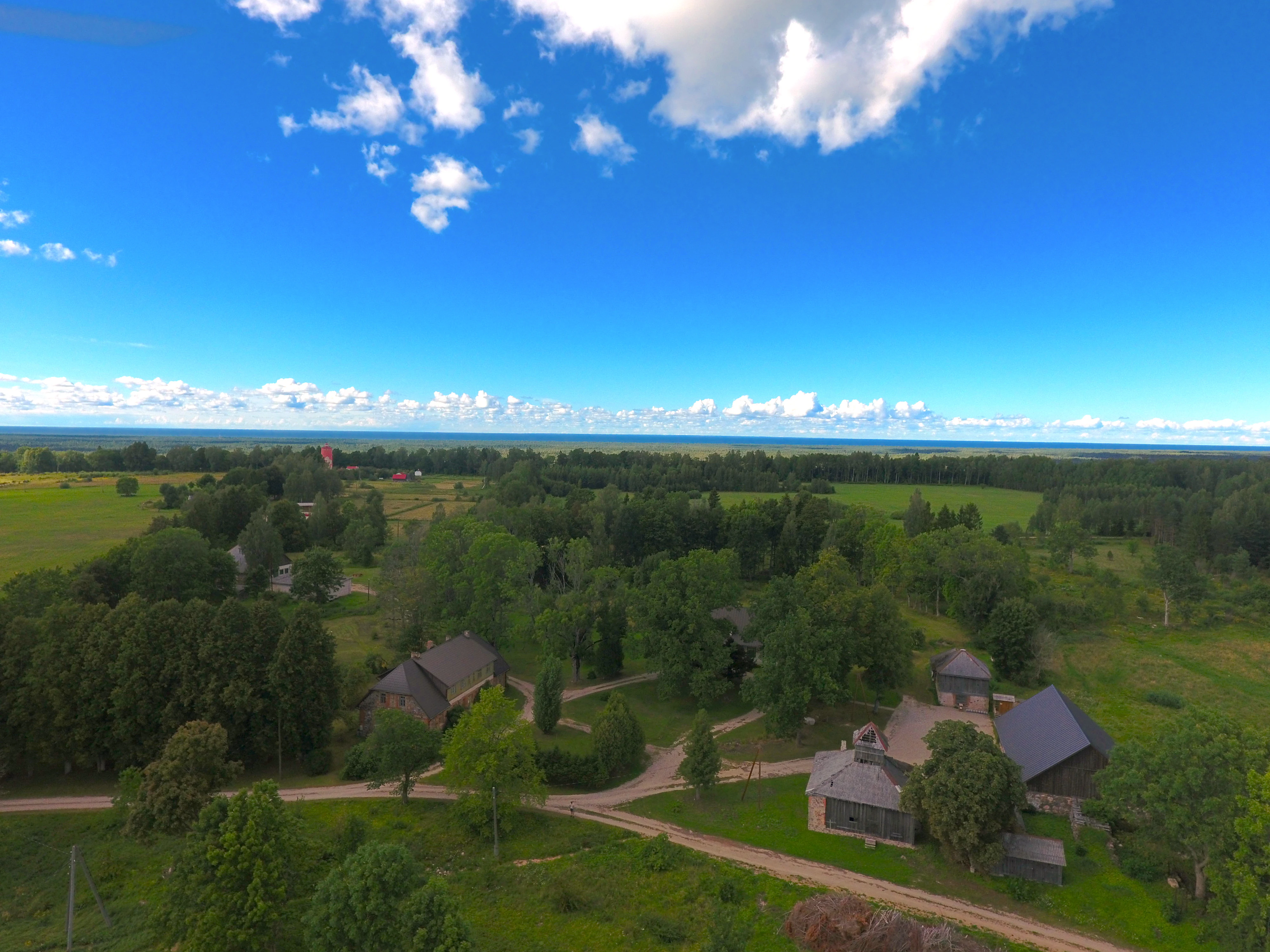
The physical landscape of Slītere National Park is defined by its coastal position on the Courland Peninsula and the geological legacy of the Baltic Sea's development. The most prominent feature is the Zilie Kalni, or Blue Hills, which form a recognizable ridge along the former shoreline of the Baltic Ice Lake. These hills create a distinctive backdrop to the coastal scenery and support the park's most extensive broadleaf forest coverage.
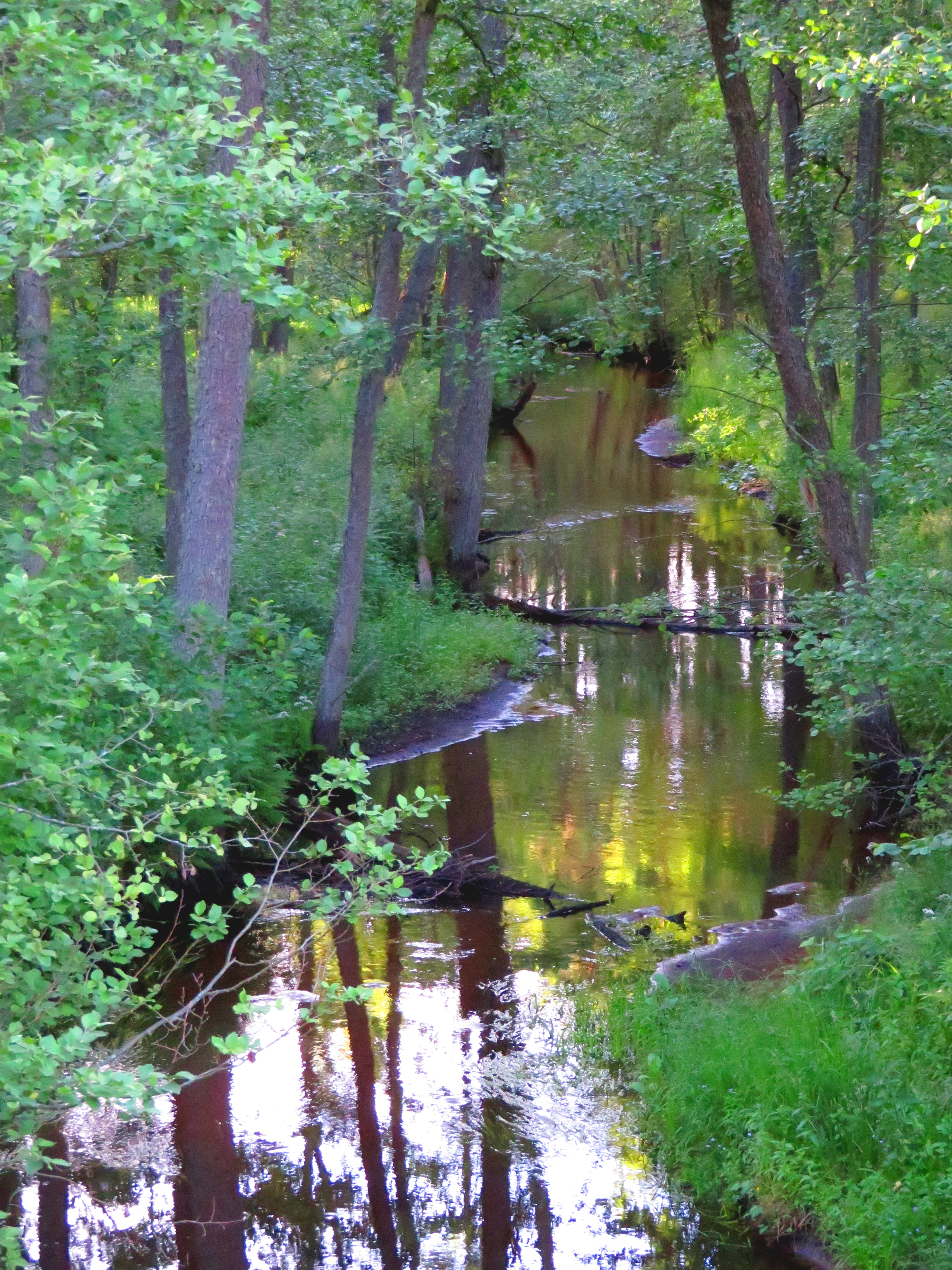
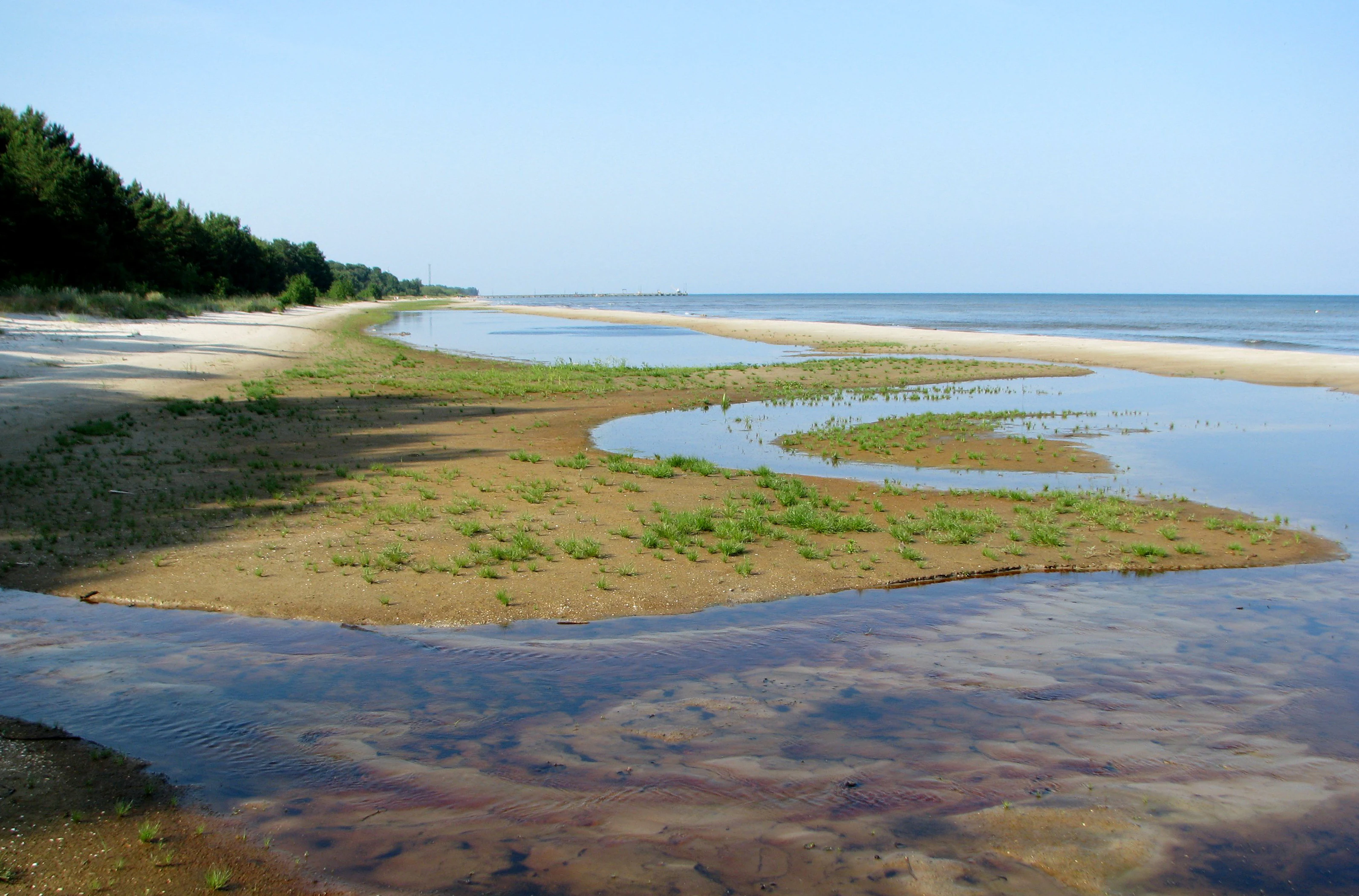
The terrain descends from the Blue Hills through a series of slopes and moraine landscapes toward the Baltic Sea and the Bay of Riga. The coastal zone features a sand beach along the open Baltic coast, while the eastern shoreline along the Bay of Riga and Irbe Strait presents different coastal character with varying sediment types. Small watercourses including the Irbe River, Mazirbe (26 kilometers in length), and Pitragupe (11 kilometers) flow through the park, originating from springs and streams in the ancient Baltic Ice Lake terrace and emptying into the Baltic Sea.
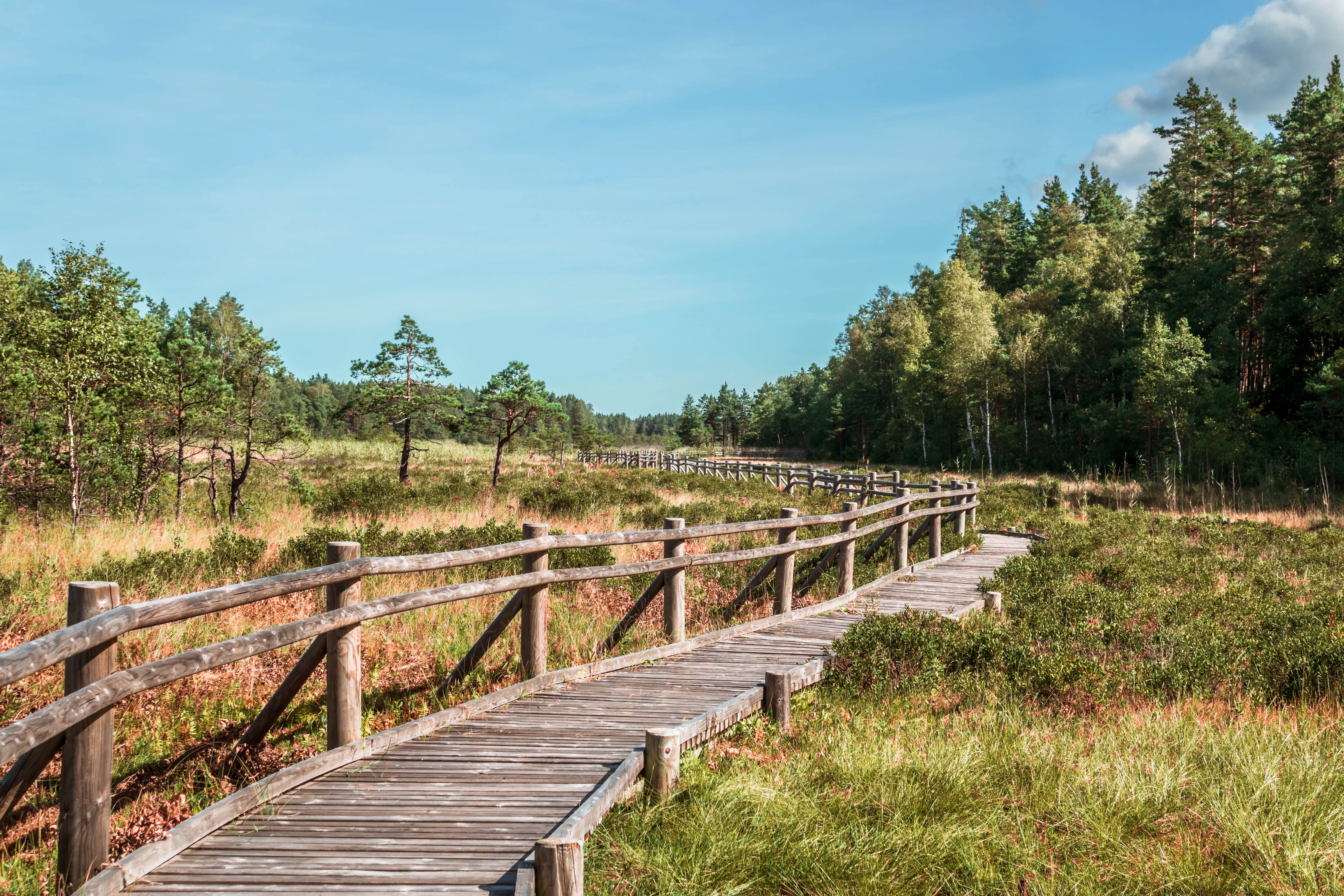
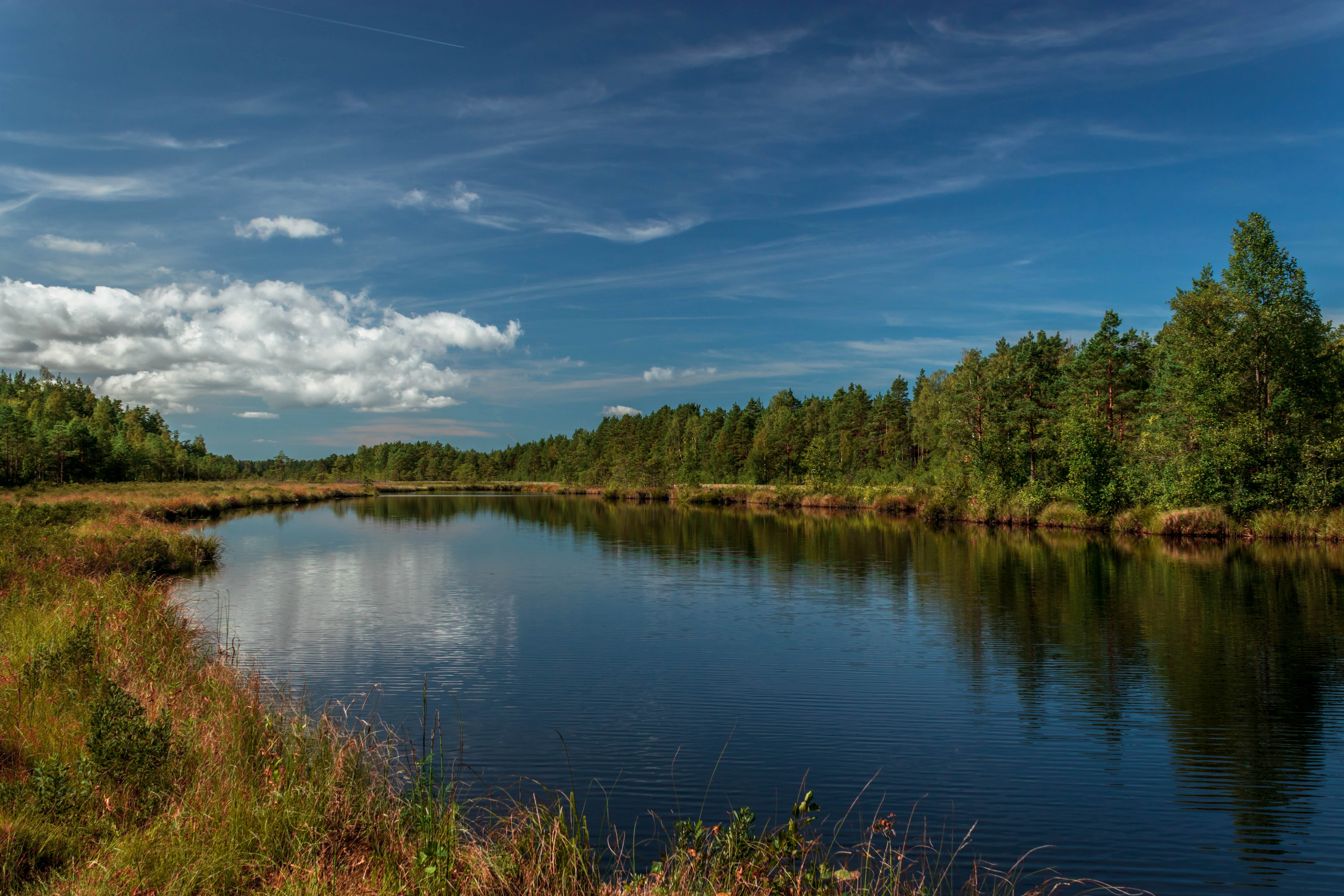
The park contains several notable lakes, including Lielais Pēterezers and Mazais Pēterezers in the Pēterezera vaga depression, with a third small lake of 0.5 hectares at the eastern end of the same depression. Near Košrags, the Pižezers covers approximately one hectare. The landscape also includes the Bažu peat bog, an elevated moss bog representing the wetland systems scattered throughout the park's 20% bog coverage.
Slītere National Park ecosystems, habitats, and plant life
The ecological character of Slītere National Park reflects the diversity of its coastal and terrestrial habitats. The broadleaf forests that blanket the Blue Hills represent the park's most distinctive vegetation, hosting species characteristic of temperate forests. Approximately 70% of the park is covered by forest, with about 30% being coniferous and the remainder supporting the valuable broadleaf stands.
The dune and bog complexes known as kangari and vigas create a specialized habitat mosaic unique to the Baltic coastal region. These inter-dune wetlands support plant communities adapted to fluctuating water levels and provide important ecological functions. The park's position at a climatic and geographical transition zone contributes to its biodiversity significance, with the coastal maritime influence creating conditions that support species at the edges of their geographic ranges.
The botanical diversity is remarkable: 894 species of flowering plants and ferns have been recorded, representing 46.7% of Latvia's flora, while 313 bryophyte species account for 59% of Latvia's bryoflora. Of these, 29 plant and bryophyte species are found nowhere else in Latvia. The park also supports 200 lichen species and 738 fungus species, with numerous rare and protected designations among all these groups. The emblematic species of the park include Baltic ivy and common yew, which grow primarily in the Blue Hills and their forested slopes.
Slītere National Park wildlife and species highlights
Slītere National Park supports significant wildlife populations across its diverse habitats, with particular renown as a birdwatching destination. The park lies directly along the Baltic migratory flyways, positioning it as one of the most important bird migration corridors in Latvia. During spring and autumn migrations, hundreds of thousands of birds pass through the area, with peak observations recording up to 60,000 birds per hour at Cape Kolka during active migration periods.
The coastal shoreline serves as a critical stopover habitat for species like the bar-tailed godwit, which pauses at Slītere during its autumn migration from northern tundra regions to southern latitudes. The great grey owl migrates to the park from Russia during winter months. In total, 261 bird species have been recorded in the park, with 135 confirmed as breeding species, and 37 of these holding protected status in Latvia.
The mammalian fauna includes the grey wolf, Eurasian lynx, and moose, representing the larger predators and herbivores typical of Baltic forests. The coastal waters support marine mammals including the grey seal, which establishes nursery colonies along the frozen Baltic coast in winter—this represents the most southerly location for this species globally, with the rarer ringed seal occasionally observed. The park's invertebrate fauna is exceptionally diverse due to the high variety of plant communities and habitat types, with 111 rare invertebrate species recorded, many representing the only known populations in Latvia.
Slītere National Park conservation status and protection priorities
Slītere National Park holds significant conservation importance at both national and European levels. The park's inclusion in the NATURA 2000 network since 2004 recognizes its contribution to preserving habitat types and species of European conservation concern. The diverse habitats—ranging from broadleaf forests and dune systems to coastal wetlands and marine areas—support numerous species with protected status.
The conservation significance is particularly pronounced for the park's plant communities, with 88 specially protected plant species, 53 protected bryophytes, and 21 protected lichens recorded within its boundaries. The Blue Hills area specifically concentrations rare species, including several that reach the eastern edge of their distribution ranges within the park. The coastal ecosystems provide critical habitat for grey seals, whose presence represents a conservation priority given the species' limited breeding distribution.
The park operates under a zonation system that allocates areas to different protection levels: strict protection zones preserving unmodified ecosystems, regulated use zones protecting specific habitats like the Bažu bog, nature reserve zones for rare species habitats, landscape protection zones maintaining the coastal forest character, and neutral zones accommodating human settlement and infrastructure. This management framework balances ecological protection with sustainable human use across the park's varied landscapes.
Slītere National Park cultural meaning and human context
Slītere National Park encompasses the Livonian Coast, a region of deep cultural significance as the ancestral homeland of the Livonian people. The park contains eight traditional fishing villages along its Baltic Sea coastline—Sīkrags, Mazirbe, Košrags, Pitrags, Saunags, and Vaide on the open Baltic coast, and Kolka and Uši on the western shore of the Bay of Riga. These communities have maintained Livonian ethnic identity and maritime traditions across centuries.
Historical evidence of human habitation in the region dates to approximately 1040 CE, with the name of Kolka (Kolkasrags) recorded in Scandinavian runestones. The oldest written records of settlements on the northern Courland coast appear in the 14th-century cadastral records of the Piltene Bishopric, listing Lielirbe, Saunags, Sīkrags, Mazirbe, Košrags, Pitrags, Vaide, and Kolka. These communities trace their origins to the Livonians, whose ancestors—Baltic Finnish tribes—settled the Latvian coastline around 3300 BCE.
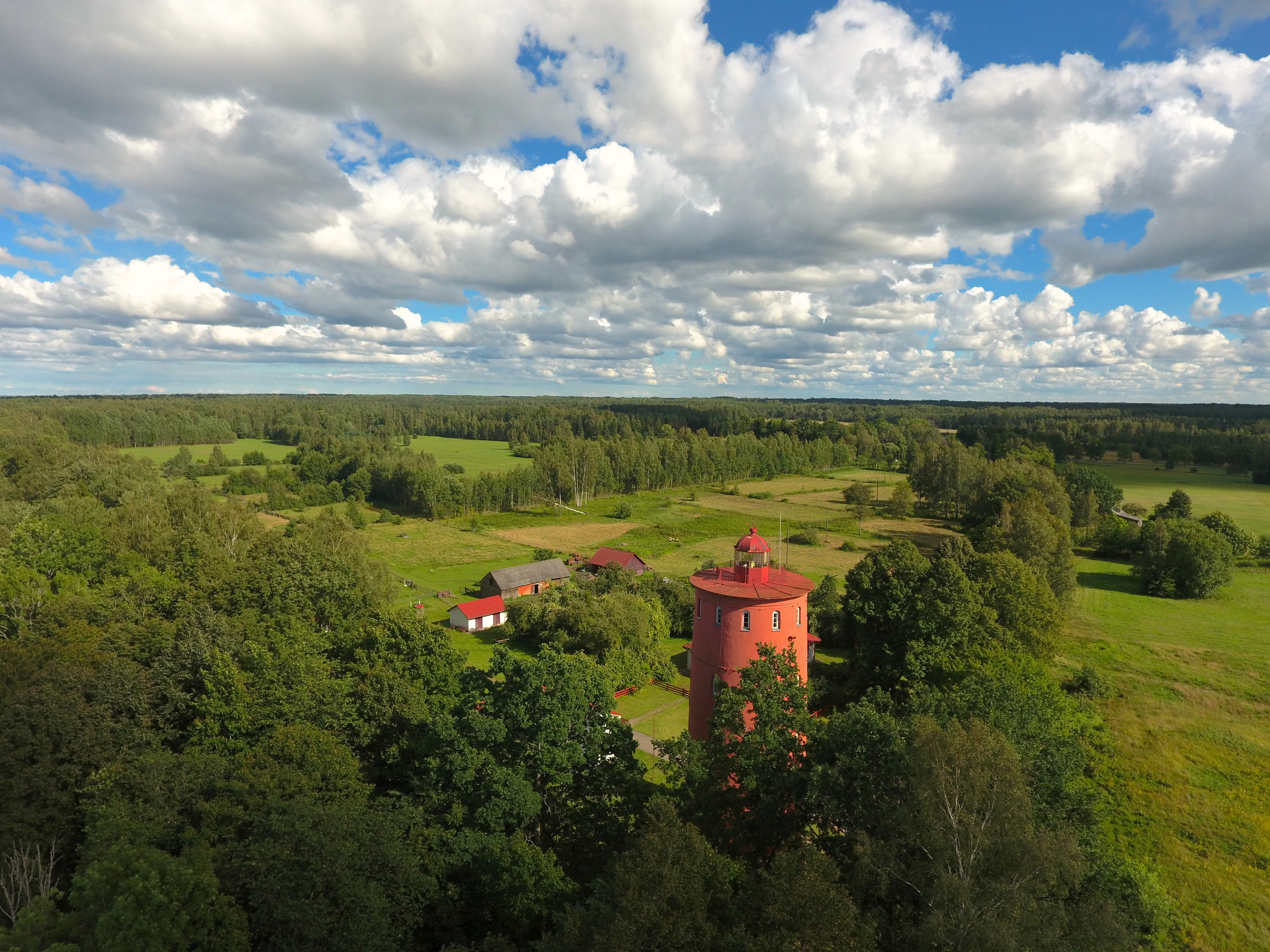
The park protects nine sites on the state list of cultural monuments, including the fishing villages of Košrags and Sīkrags, the 18th-19th century Mazirbe pastorate house, the Livonian People's House built in 1939, and several medieval and ancient burial sites. The Dāvida hillfort represents the archaeological heritage of the region. The Slītere Lighthouse, situated on the Blue Hills slope, serves as both a functional navigation beacon and a cultural landmark, offering panoramic views and serving educational purposes; it was added to the state cultural monument register in 2018.
Top sights and standout views in Slītere National Park
Slītere National Park combines exceptional natural diversity with significant cultural heritage in a compact coastal landscape. The Blue Hills (Zilie Kalni) provide the park's signature scenery while supporting Latvia's most significant broadleaf forest communities. The bird migration spectacle at Cape Kolka ranks among the finest in the Baltic region, with massive concentrations of migratory birds passing through during spring and autumn. The traditional Livonian fishing villages preserved within the park offer a living cultural landscape that contrasts with the natural environments. The park's geological features—the ancient shoreline formations and amber deposits—provide connections to deep time, while the dune-and-bog complexes create a unique habitat mosaic. The coastal grey seal populations represent a conservation priority, as the park protects the species' most southerly global breeding grounds.
Best time to visit Slītere National Park
The optimal time to experience Slītere National Park depends on visitor interests. Spring and autumn migrations transform the park into an exceptional birdwatching destination, particularly at Cape Kolka where massive flights of migratory birds pass through. Spring migration tends to be prolonged, potentially offering sightings of nearly all bird species found in Latvia. Autumn brings the bar-tailed godwit and other species moving south, while winter may bring the great grey owl arriving from Russia.
The summer months offer comfortable temperatures for exploring the forests, coastal areas, and hiking the nature trails, though peak visitor activity occurs during this season. The Blue Hills and broadleaf forests display their full foliage character during summer, while the coastal dunes support flowering plant communities. Winter provides a different character, with the frozen Baltic coast hosting grey seal nurseries—a unique opportunity to observe these marine mammals in their southernmost breeding habitat. The park's relatively compact size allows for meaningful exploration across seasons, with each period offering distinct natural phenomena.