Why Žemaitija National Park stands out
Žemaitija National Park is best known for its glacially sculpted landscape of rolling hills and kettle lakes, with Lake Plateliai as the centerpiece. The park preserves one of Lithuania's most significant wetland complexes and supports populations of large mammals including wolves and lynxes. The area also holds exceptional cultural significance as the heartland of Samogitian heritage, with the historic Žemaičių Kalvarija site representing important religious and traditional dimensions of Lithuanian culture.
Žemaitija National Park history and protected-area timeline
Žemaitija National Park was established in 1991 as part of Lithuania's post-independence effort to create a comprehensive system of protected areas. The establishment came during a period of renewed national identity and recognition of the importance of preserving natural and cultural heritage. The park was specifically created to conserve the Plateliai lake ecosystem and surrounding natural complexes, while also protecting the rich cultural heritage of the Samogitian region. The designation followed Lithuania's restoration of independence from Soviet control, reflecting a broader movement to identify and protect areas of national significance. Since establishment, the park has developed visitor infrastructure including nature trails, viewing platforms, and educational facilities, while maintaining its core conservation mission.
Žemaitija National Park landscape and geographic character
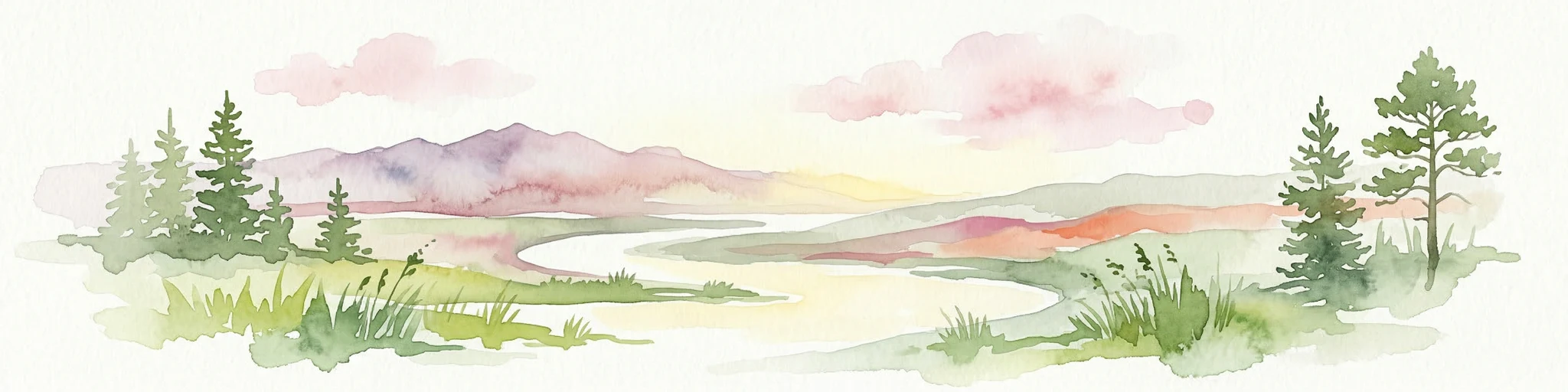
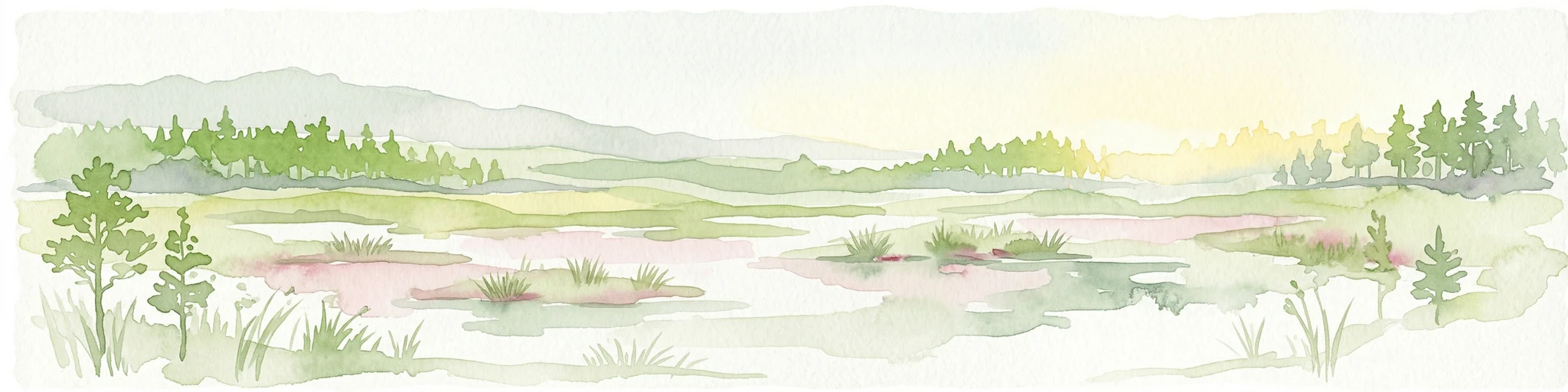
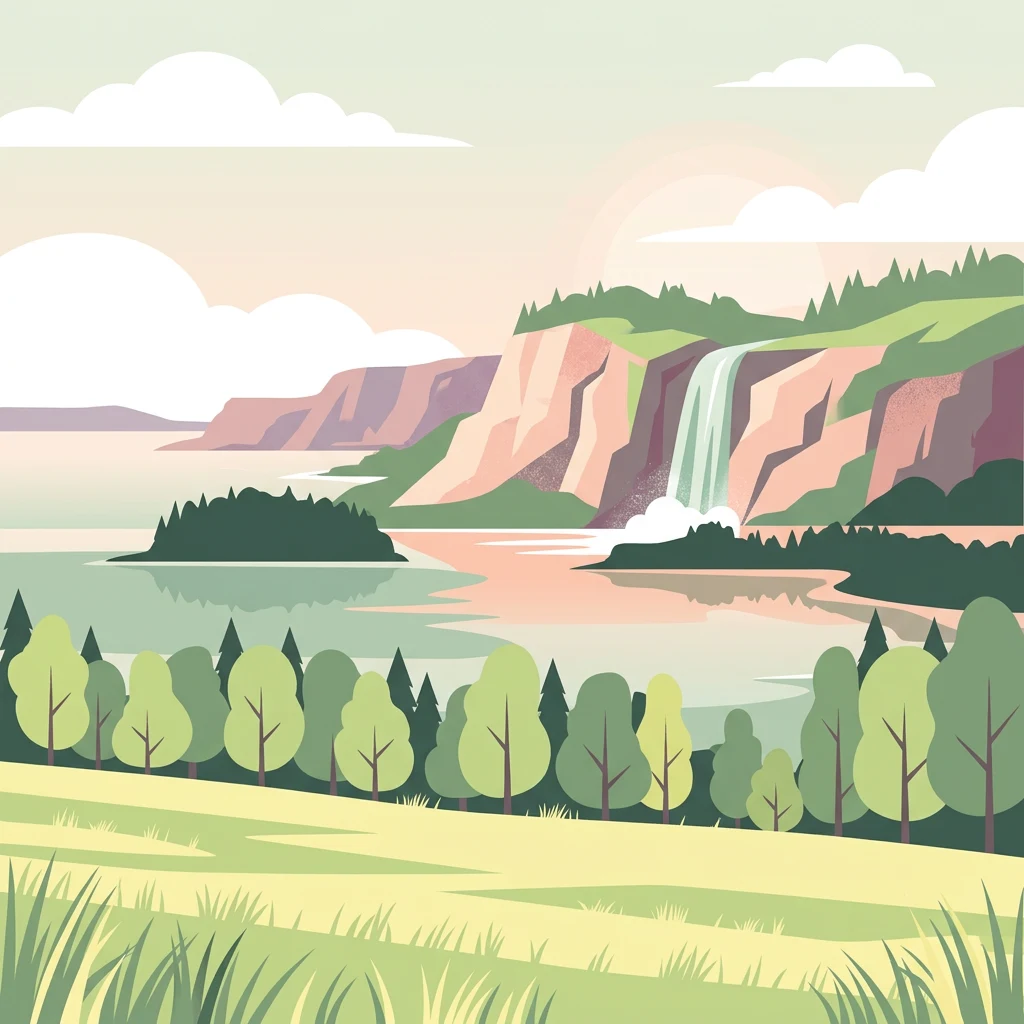
The landscape of Žemaitija National Park is defined by glacial terrain. The hills, reaching 150 to 190 meters above sea level, were formed as the Pleistocene ice sheet retreated and deposited morainic material across the region. These relatively high hills stand in contrast to the generally flat terrain of the Baltic lowlands, giving the park a distinctive topographic character. Lake Plateliai dominates the aquatic landscape, covering 12 square kilometers with a maximum depth of 47 meters. The lake contains several islands and is surrounded by smaller kettle lakes, creating a complex hydrographic system. Beyond the major lake, approximately 25 smaller lakes are scattered throughout the park. Glacial rivers including the Babrungas and Mergupis have cut valleys through the terrain, while the Gardai esker represents a distinctive linear sand formation left by glacial meltwater. Forested wetlands, particularly at Plokštinė and Rukundžiai, add to the landscape diversity.
Žemaitija National Park ecosystems, habitats, and plant life
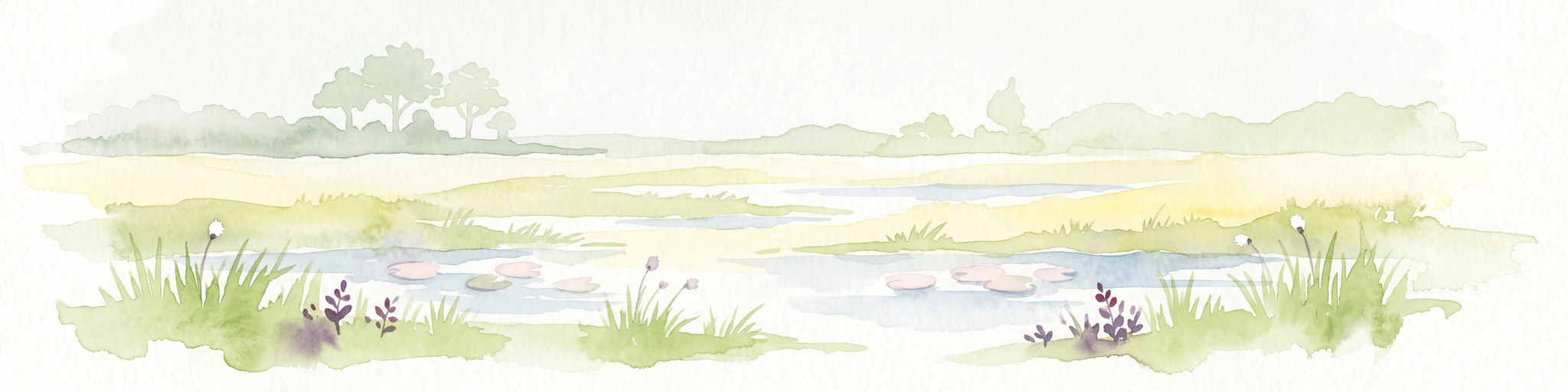
The nature of Žemaitija reflects the park's diverse habitat mosaic. Forests cover approximately 45 percent of the park's territory, occurring in blocks and strips across the landscape. Forested wetlands at Plokštinė and Rukundžiai represent particularly valuable ecological communities, while the hydrographic complexes surrounding Lake Plateliai, Laumalenka, and Šilinė create transitional zones between aquatic and terrestrial environments. The river valleys of the Gardai esker, Babrungas, and Mergupis support riparian habitats, while numerous wetlands including Paburgė, Siberia, Pakastuva, Užpelkių, Ertenis, and Paparčiai provide water-loving species with habitat. The Paplatelės, Šeirė, and Pailgis forests showcase distinct forest types, and the Juodupis wetlands represent rare wet meadow ecosystems. Lake Plateliai itself supports fisheries including rare species such as Atlantic salmon and freshwater whitefish (Coregonus albula and Coregonus lavaretus). The park also contains the notable Witch Ash tree, a remarkable specimen measuring 7.2 meters in circumference, 2.1 meters in diameter, and 34 meters in height.
Žemaitija National Park wildlife and species highlights
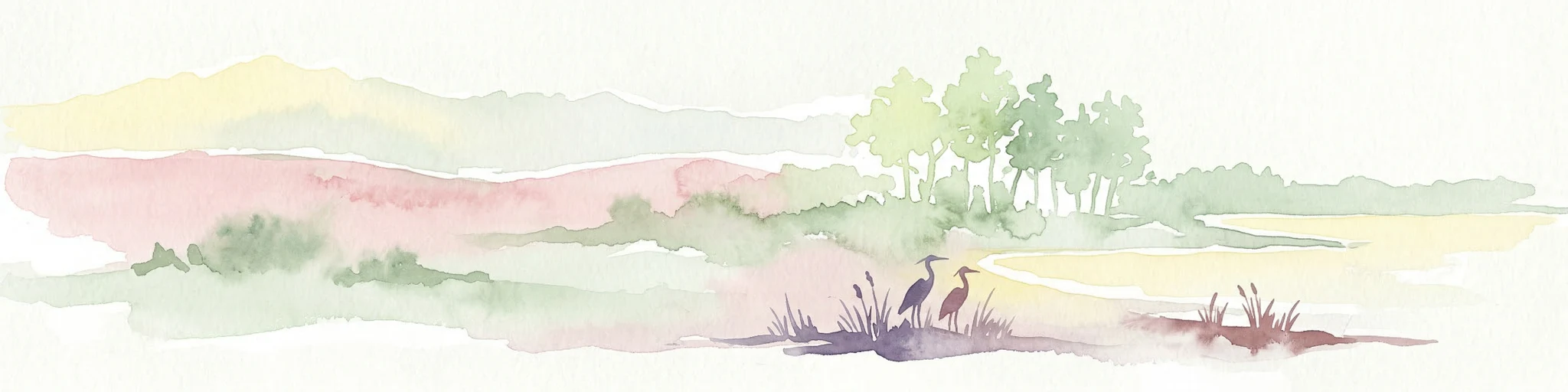
Wildlife in Žemaitija National Park includes both common European species and notable rarities. The large mammal community features wolves (Canis lupus) and lynxes (Lynx lynx), both of which maintain populations in the forested terrain. These predators find suitable habitat in the mix of forests, wetlands, and open areas. Nine species of bats utilize the park for foraging and shelter, representing significant nocturnal biodiversity. In the aquatic environment, Lake Plateliai supports populations of Atlantic salmon (Salmo salar) and freshwater whitefish species (Coregonus albula and Coregonus lavaretus), with the latter including both the local form known as the Plateliai whitefish. The diverse wetlands provide habitat for numerous bird species, and the Pakastuva lake includes a bird observation tower for wildlife viewing.
Žemaitija National Park conservation status and protection priorities
Žemaitija National Park serves as an important conservation area for Lithuania's natural heritage. The park protects the largest lake in Samogitia and its surrounding ecosystem, preserving both aquatic and terrestrial habitats. The forested wetlands, river valleys, and diverse habitat mosaic support species assemblages that would otherwise be vulnerable to fragmentation or loss. The presence of apex predators such as wolves and lynxes indicates a functional ecosystem with intact trophic dynamics. The park's IUCN Category II designation reflects its role in preserving natural landscapes while allowing for sustainable visitor use. The protection of rare fish species in Lake Plateliai further emphasizes the conservation significance of the area.
Žemaitija National Park cultural meaning and human context
Žemaitija National Park contains significant cultural heritage reflecting the Samogitian region's historical importance. The park encompasses an archaeological complex in northern Žemaitija featuring 11 hillforts (piliakalniai) and hill-alkakalniai, concentrated in the northwestern part of the park and often forming unified complexes. The historic Plateliai manor estate and Pilies Island fortress site represent the area's aristocratic heritage, while underwater remnants of an ancient wooden bridge can still be observed. Žemaičių Kalvarija (also known as Gardai) is a widely known town featuring a church and chapels representing the Christ's Way of the Cross tradition, with the Great Žemaičių Kalvarija Festival continuing longstanding traditions. Traditional villages including Beržoras, Godeliai, Šarnelė, Stirbaičiai, and Visvainiai maintain elements of Samogitian rural architecture and culture. The park also contains a Cold War museum in the former Plokštinė rocket base, offering guided tours through underground tunnels and a 27-meter-deep rocket shaft.
Top sights and standout views in Žemaitija National Park
Žemaitija National Park offers visitors a combination of natural landscapes and cultural heritage. Lake Plateliai provides the focal point for recreation, with sailing, fishing, and scenic boat trips available. The park maintains several cycling routes and hiking trails, including a 4.1-kilometer nature trail near Plateliai that showcases unique natural values. Viewing points at Jazminų and Medsėdžių hills, as well as the Mikytai alkakalnis, offer panoramic perspectives over the lake and surrounding terrain. The annual Žemaičių Kalvarija Festival draws thousands of visitors, while the Plateliai Regatta in late July provides a sailing spectacle. The Cold War museum at the former Plokštinė missile base offers a distinctive historical experience with underground access to former military infrastructure.
Best time to visit Žemaitija National Park
The park can be visited throughout the year, with each season offering distinct experiences. Summer brings the warmest conditions for outdoor activities on Lake Plateliai, including sailing, swimming, and fishing, while the forest trails and viewing points are fully accessible. The late July Plateliai Regatta and the Žemaičių Kalvarija Festival in summer draw significant visitor interest. Autumn offers changing forest colors and good conditions for wildlife observation, while the wetter conditions may affect some trail accessibility. Winter transforms the landscape with snow cover on the hills, though reduced daylight limits some activities. Spring brings bird migration and the renewal of vegetation, though the shoulder season sees fewer visitors than summer.