
Why Sultan Reedy National Park stands out
Sultan Reedy National Park is best known as one of Turkey's and the Middle East's most significant wetland ecosystems, famous for its spectacular birdlife and the sheer scale of its reed-covered marshes. The park is particularly renowned for hosting massive flamingo congregations during migration, with over 185,000 individuals recorded in a single count. It serves as a critical breeding ground for 119 bird species including the vulnerable little cormorant, white-eyed pochard, and white-headed duck. The wetland's position on major migratory flyways connecting Europe, Asia, and Africa makes it essential for hundreds of thousands of waterbirds annually. The dense reed beds and rich aquatic ecosystems create ideal conditions for diverse waterbird communities.
Sultan Reedy National Park history and protected-area timeline
The protected status of Sultan Reedy National Park evolved through several key phases. In 1971, the area was first declared a Waterfowl Protection and Breeding Zone by the Turkish Ministry of Forest, initiating formal conservation efforts. During the 1970s, plans by the State Hydraulic Works to completely drain and convert the wetland were ultimately prevented through the advocacy of conservation organizations and public institutions, which successfully argued for maintaining the water level at Lake Yay at 1,070.80 meters. The area was designated as a Ramsar Wetland of International Importance on March 15, 1994, under the Ramsar Convention's criteria for protecting wetlands as waterbird habitats. Finally, the national park status was officially established on March 17, 2006, providing comprehensive protection under Turkish law.
Sultan Reedy National Park landscape and geographic character
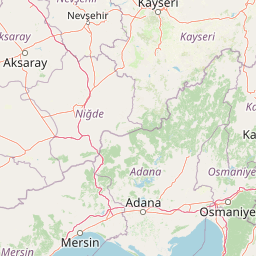
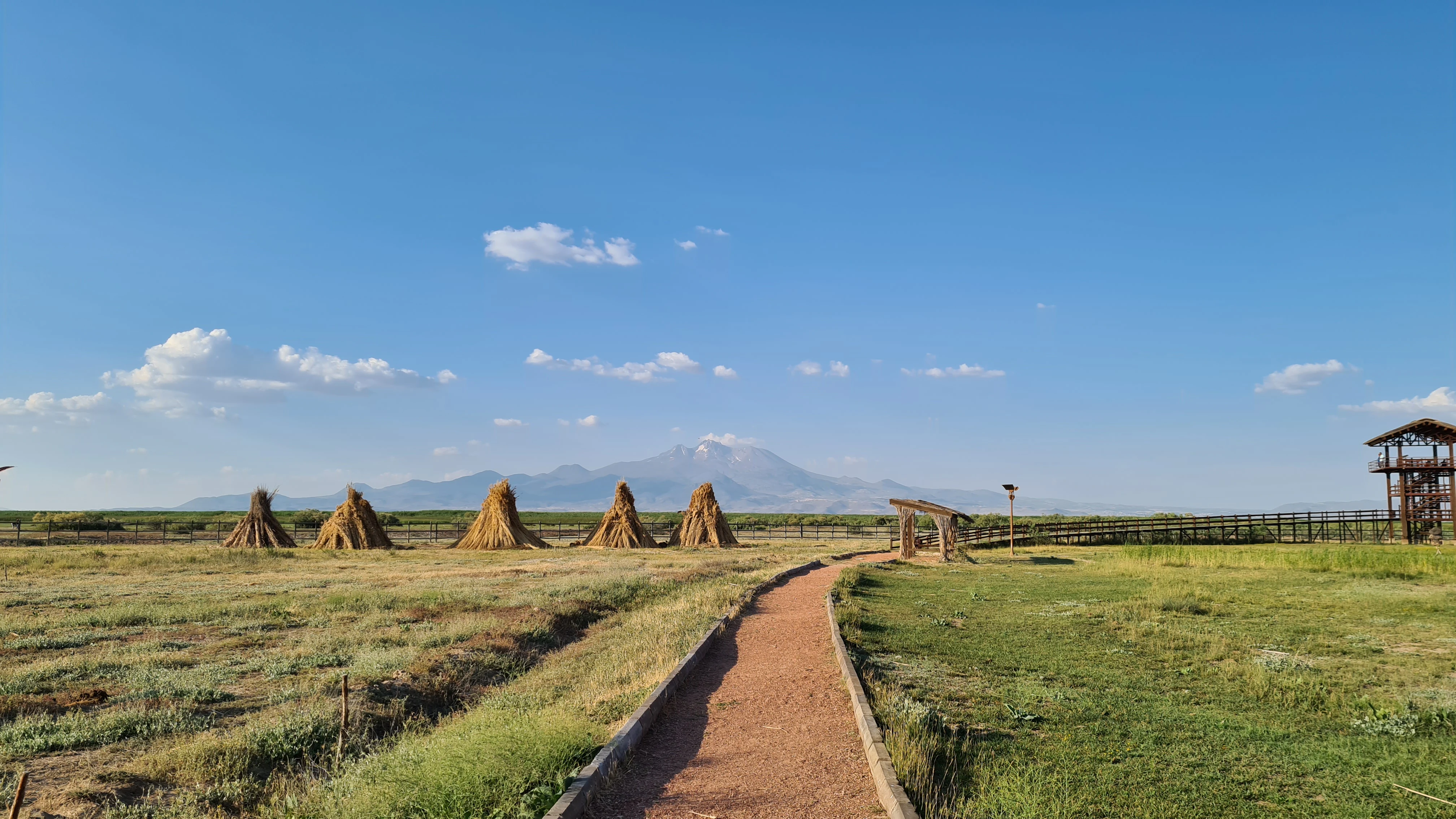
The landscape of Sultan Reedy National Park is defined by a closed basin surrounded by mountains, creating a distinctive setting for wetland formation. To the north rises Mount Erciyes, a towering stratovolcano reaching 3,916 meters and visible from much of the park. The eastern boundary is framed by the Develi, Akpınar, and Çiçekliyurt mountain ranges reaching 2,074 meters, while the southern edge meets the Toros mountain chain with the Aladağlar peaks averaging 3,373 meters and the Elmalı Mountains at 2,235 meters. The western perimeter features Kartalkaya at 1,958 meters and the İncil Mountains at 1,759 meters. The basin floor is relatively flat with about a 2% slope, composed of geological formations including limestone, basalt, and tuff laid down during the Miocene, Pleistocene, and Holocene epochs. Lake Yay and the surrounding reed beds occupy the lowest portions of this basin.
Sultan Reedy National Park ecosystems, habitats, and plant life
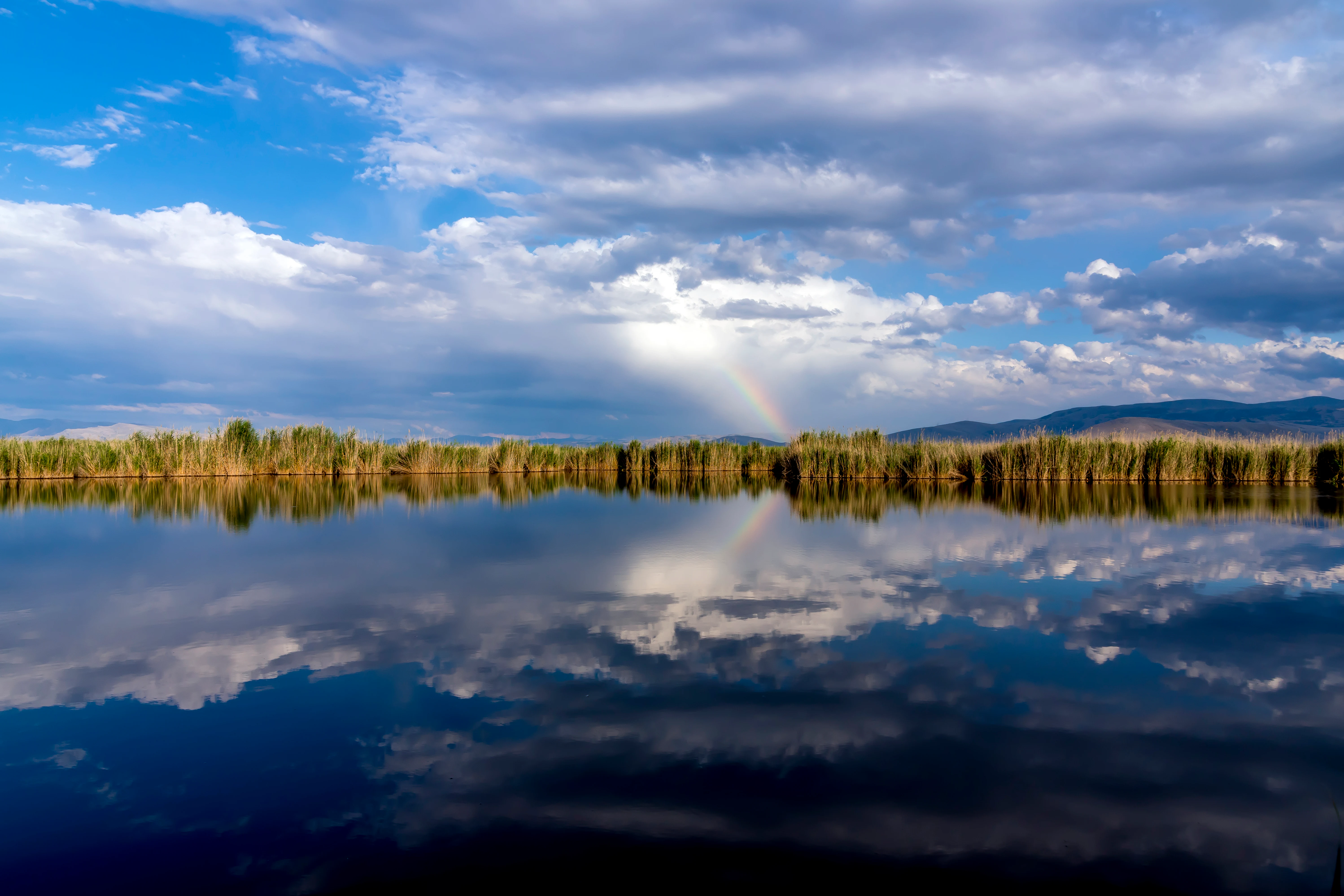
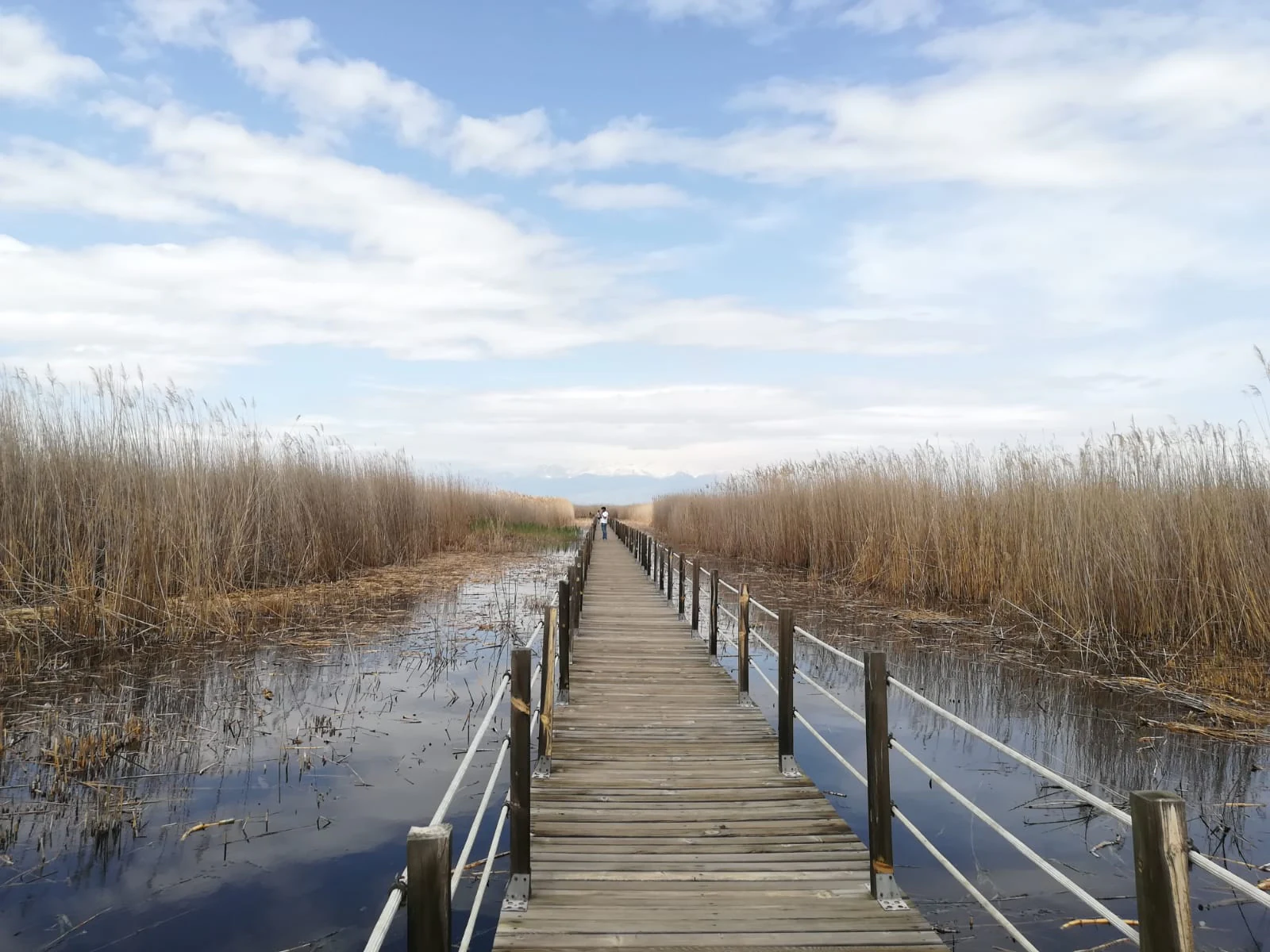
The nature of Sultan Reedy National Park centers on its wetland ecosystems, which exist in striking contrast to the surrounding semi-arid steppe of the Central Anatolian Plateau. The park contains a diverse array of habitat types including open freshwater lakes, reed-dominated marshes, brackish wetlands, and adjacent grasslands and agricultural areas. The climate is continental with hot, dry summers and cold winters, yet the wetland maintains consistently moist conditions year-round, creating an ecological oasis. The vegetation includes extensive beds of common reed and cattail, while the surrounding areas support steppe flora adapted to the region's harsh seasonal extremes. The park's flora includes approximately 177 documented species across 65 genera and 47 families, reflecting the ecological diversity created by the mix of wetland and dryland habitats.
Sultan Reedy National Park wildlife and species highlights
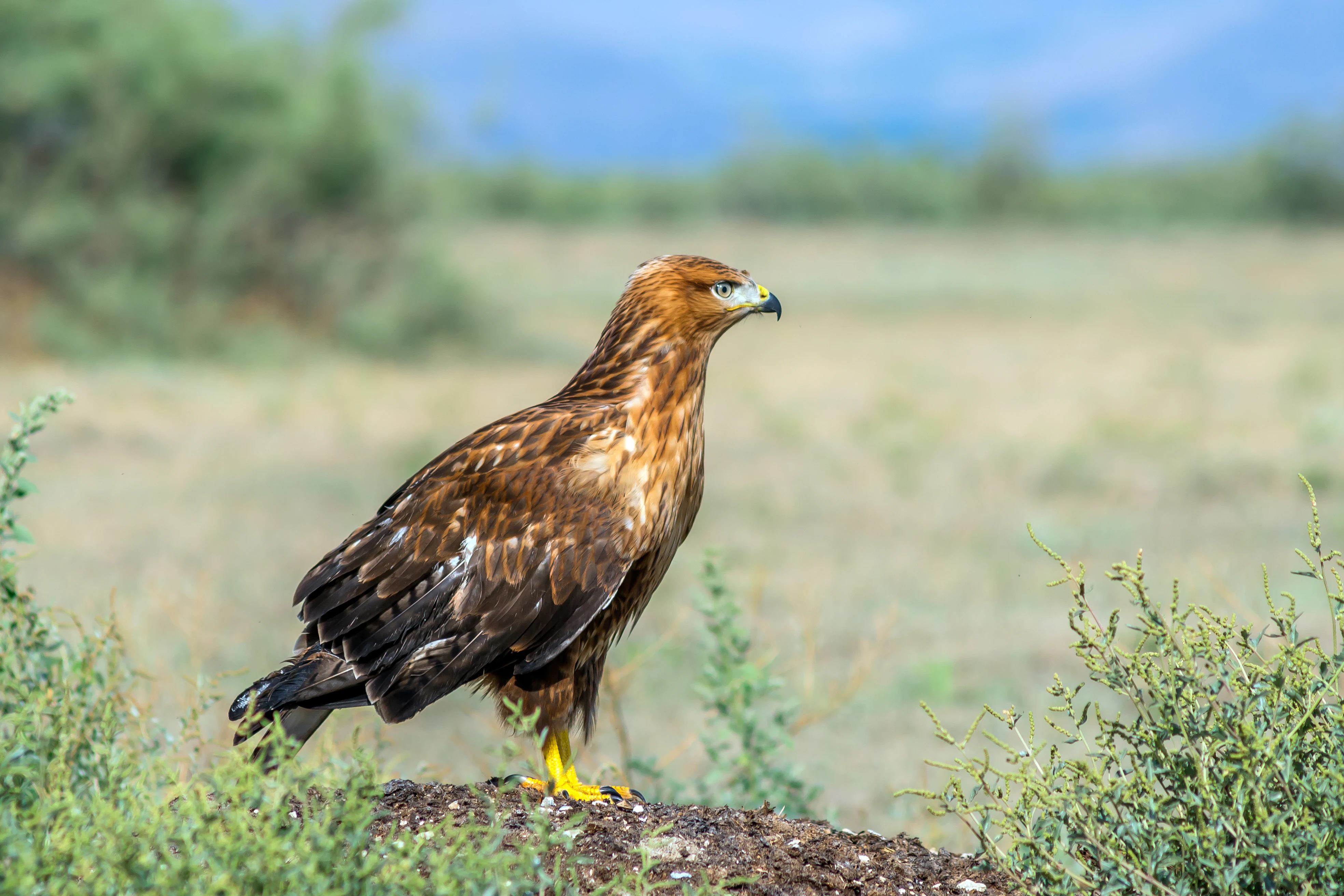
Sultan Reedy National Park supports remarkable wildlife diversity, particularly in avian species. The park hosts 301 documented bird species, with 69 species regularly wintering and 18 more occurring seasonally or occasionally. Approximately 119 bird species breed within the park annually. Notable species include the little cormorant, white-eyed pochard, and white-headed duck as important breeding species. The wetlands support populations of spoonbill, glossy ibis, greater flamingo, white-tailed eagle, and numerous duck species including ferruginous duck, red-crested pochard, and tufted duck. Among mammals, the park supports hedgehog, several bat species, wolf, red fox, weasel, marbled polecat, European hare, and various rodents including ground squirrels and voles. The aquatic environments contain amphibians, reptiles, fish, and abundant invertebrate life that forms the base of the food web supporting the rich bird communities.
Sultan Reedy National Park conservation status and protection priorities
Sultan Reedy National Park represents one of Turkey's most significant conservation achievements, where a major wetland was preserved from drainage and converted into a properly protected area. The park's Ramsar designation since 1994 commits Turkey to maintaining the wetland's ecological character and using it sustainably. The ecosystem provides critical services including groundwater recharge, flood mitigation, water purification, and climate regulation. Its importance for migratory birds connects Turkey to international conservation obligations under bird migration treaties. The protection of this wetland also preserves biodiversity in a region where such habitats are rare, making Sultan Reedy essential for maintaining populations of waterbirds that depend on central Anatolian wetlands during their annual cycles.
Sultan Reedy National Park cultural meaning and human context
The Sultan Reedy area and its surrounding region have supported human settlement since ancient times, as evidenced by archaeological excavations revealing Early Bronze Age artifacts in local tell mounds. The region contains Hittite and Roman archaeological sites, including the Fraktin Monument and İmamkulu Monument depicting storm gods alongside Hittite kings and queens. The nearby town of Develi contains Turkish-Islamic architectural heritage from the 13th century. Local communities maintain traditional livelihoods including agriculture, livestock husbandry, and notably reed harvesting, with approximately 1,500 tons of reeds cut annually, much of it exported. The park exists within a working cultural landscape where human activities and conservation coexist.
Top sights and standout views in Sultan Reedy National Park
The park's highlights include witnessing the spectacular gatherings of greater flamingos during migration, with half a million or more birds present in autumn months. The extensive reed beds create a mysterious and beautiful landscape, particularly at sunrise and sunset. The contrast between the wetland's verdant waters and the surrounding snow-capped mountains provides stunning photographic opportunities. The site offers excellent birdwatching with chances to observe rare species like the white-headed duck and greater flamingo. The geological setting within a mountain-ringed basin adds dramatic context to the wetland experience. Lake Yay provides the central aquatic anchor for exploring diverse habitats.
Best time to visit Sultan Reedy National Park
The best time to visit Sultan Reedy National Park is during spring and autumn when bird activity reaches its peak. Spring brings breeding activity and the arrival of migratory species, while autumn sees massive congregations of flamingos and other waterbirds as they gather before migration. September and October are particularly spectacular months when bird counts can exceed 500,000 individuals. Summer offers warm weather and fully expanded reed beds but brings lower water levels and reduced bird activity. Winter provides a different experience with freezing conditions and wintering waterfowl, though fewer species are present. The park can be visited year-round, though spring and autumn offer the most rewarding wildlife viewing opportunities.