Why Derebucak Çamlık Caves National Park stands out
Derebucak Çamlık Caves National Park is best known for its exceptional karst cave system, which stands as the longest in Konya Province. The park protects 13 caves and sinkholes with remarkable geomorphological diversity, ranging from ornate caverns like Suluin Cave, popular for boating excursions, to vertical caves ideal for guided caving experiences. The area represents one of Turkey's most significant cave-protected landscapes, combining geological importance with ecological value in a relatively newly established national park.
Derebucak Çamlık Caves National Park history and protected-area timeline
The caves comprising what is now Derebucak Çamlık Caves National Park were first protected as a natural monument on November 29, 2013, recognizing their significant geological and natural value within Turkey's protected area framework. Following nearly a decade of protection under this designation, the area was elevated to national park status on June 7, 2022, becoming the 47th national park in Turkey. This designation reflected the comprehensive conservation importance of the cave system and surrounding landscape, integrating the underground formations within Turkey's broader national park network managed by the Ministry of Agriculture and Forestry. The park represents a relatively recent addition to Turkey's protected areas, established with the goal of preserving both the geological heritage and ecological diversity of this karst landscape in central Anatolia.
Derebucak Çamlık Caves National Park landscape and geographic character
The park's landscape is defined by karst topography characteristic of the Western Taurus Mountains' southeastern slopes. The terrain features rugged, steep slopes that create diverse microhabitats throughout the 1,147-hectare protected area. The Balat Stream traverses the park, feeding the karst system and supporting the cave formations with year-round water flow. The surface landscape includes pine forest coverage and exposed limestone formations typical of karst regions. Sinkholes and cave entrances dot the terrain, marking the locations where the underground cave systems extend beneath the surface. The elevation and steepness of the land contribute to the ecological diversity by creating varied exposure, moisture conditions, and vegetation zones that support both cave-dependent species and surface-dwelling wildlife.
Derebucak Çamlık Caves National Park ecosystems, habitats, and plant life
The ecological character of Derebucak Çamlık Caves National Park reflects the transition between central Anatolia's continental climate and the Mediterranean influences of the Taurus region. The park's karst landscape supports a complex interplay of underground and surface ecosystems. Pine forests dominate the surface vegetation, while the cave systems provide unique subterranean habitats. The karst aquifer fed by Balat Stream sustains both the cave formations and the surrounding vegetation. The region's position between Derebucak, Çamlık, Akseki, and İbradı places it within one of Turkey's Important Bird Areas, indicating broader ecological significance beyond the immediate cave system protection.
Derebucak Çamlık Caves National Park wildlife and species highlights
The park provides habitat for several notable species, including the wild goat (Capra aegagrus), which is listed as endangered on a global scale and inhabits the steep rocky terrain within the protected area. The Woolly Rock Sleeper (Dryomys laniger), a mammal species endemic to Turkey's Mediterranean Region, also occurs in the park's forested and rocky habitats. The broader region encompassing the caves is recognized as an Important Bird Area, highlighting its significance for avian biodiversity. The steep terrain and varied habitats support these species while the cave system itself provides shelter and specialized microhabitats for cave-adapted organisms.
Derebucak Çamlık Caves National Park conservation status and protection priorities
Derebucak Çamlık Caves National Park represents a conservation priority for Turkey due to its dual recognition as both a natural monument (since 2013) and national park (since 2022). The protected status acknowledges the exceptional geological value of the 13 caves and sinkholes, which include the longest cave in Konya Province and formations of national significance. The karst ecosystem's conservation importance extends beyond the caves themselves to encompass the surrounding forests, wildlife habitats, and hydrological systems that sustain the underground formations. Protection of this area also preserves habitat for globally endangered species like the wild goat and the regionally endemic Woolly Rock Sleeper.
Derebucak Çamlık Caves National Park cultural meaning and human context
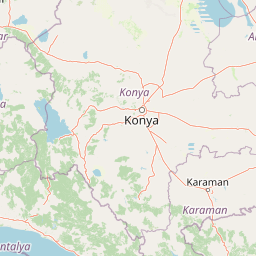
The park is located in the Derebucak district of Konya Province, within the traditional boundaries of central Anatolia. The cave system near Çamlık village has been a recognized geological feature of local significance for decades before formal protection began in 2013. The Turkish name Derebucak Çamlık Mağaraları Millî Parkı reflects the park's identity tied to both the Derebucak area and the Çamlık locality.
Top sights and standout views in Derebucak Çamlık Caves National Park
The park's most notable feature is its remarkable cave system with 13 significant caves and sinkholes, including Balatini—the longest cave in Konya—and Suluin Cave with its ornate formations and summer boating opportunities. The karst landscape, pine forests, and endangered wildlife including the wild goat and endemic Woolly Rock Sleeper add ecological value. The area's inclusion in Turkey's Important Bird Area network further demonstrates its broader conservation significance within the Central Anatolian landscape.
Best time to visit Derebucak Çamlık Caves National Park
The park can be visited throughout the year, though summer months offer the most comfortable conditions for exploring the caves and surface trails. Suluin Cave becomes particularly popular for boating activities during the summer when increased tourism coincides with favorable weather in the mountain environment. The cooler months provide excellent conditions for caving activities and wildlife observation, while the karst landscape displays different character across seasons as water flow through the cave system varies.