Why Commander-in-Chief National Historic Park stands out
The park is best known as the preserved battlefield of the Battle of Dumlupınar, the climactic confrontation of the Turkish War of Independence. It was from this region that Mustafa Kemal Paşa issued his famous command to the advancing Turkish forces: "Ordular, ilk hedefiniz Akdeniz'dir, ileri!" (Armies, your first target is the Mediterranean, forward!). This decisive victory paved the way for the liberation of Anatolia and the subsequent declaration of the Turkish Republic. The park contains the Kocatepe Monument, which commemorates the commander-in-chief's headquarters, as well as memorial sites honoring the fallen soldiers of the independence war.
Commander-in-Chief National Historic Park history and protected-area timeline
The Commander-in-Chief National Historic Park was established on November 8, 1981, specifically to protect and commemorate the historic battlefield of the Battle of Dumlupınar. This battle, fought on August 26–30, 1922, represented the final major engagement of the Turkish War of Independence, also known as the Turkish War of Liberation (Kurtuluş Savaşı) or the National Struggle (Millî Mücadele). The park's creation reflected the Turkish government's recognition of the site's importance in the nation's modern history and its commitment to preserving the physical environment associated with this pivotal moment.
The Battle of Dumlupınar was part of the larger Great Offensive launched by the Turkish forces under the command of Mustafa Kemal Paşa. Following years of occupation and resistance, the Turkish army launched this decisive campaign to reclaim occupied territories. The battle unfolded across the rolling terrain of western Anatolia, where Turkish forces achieved a decisive victory that forced the Greek army to retreat. The park preserves the physical landscape over which these historic events unfolded, including the positions from which Turkish commanders directed operations and the ground where the battles took place. The subsequent liberation of Izmir and other western Anatolian cities followed this victory, ultimately leading to the Treaty of Lausanne and international recognition of Turkish independence.
Commander-in-Chief National Historic Park landscape and geographic character
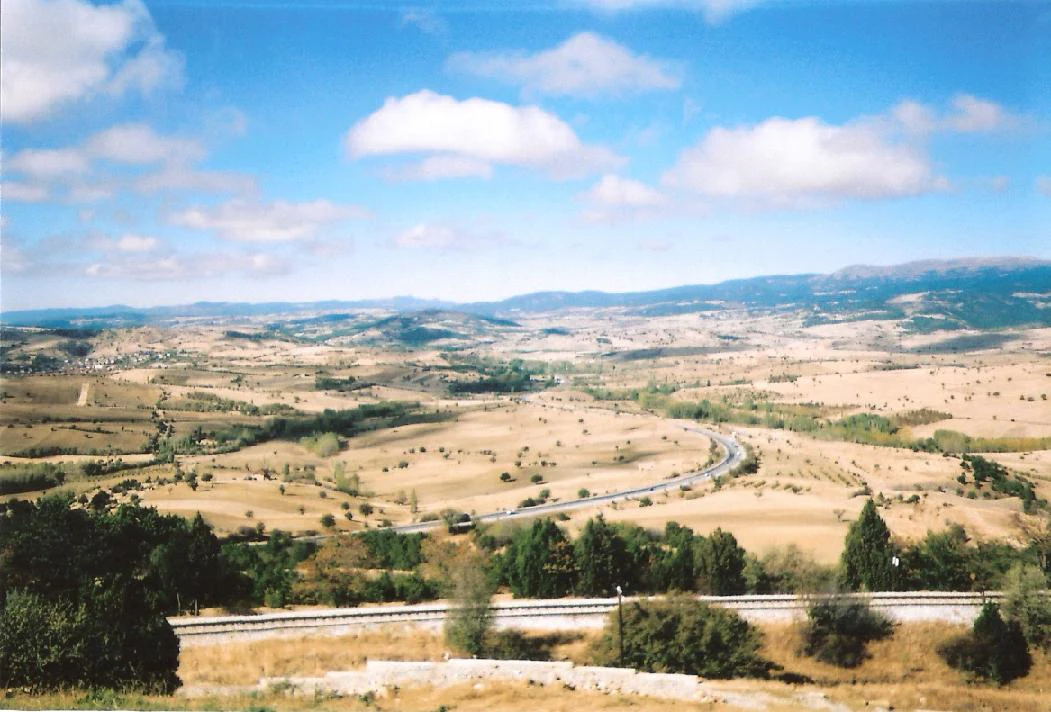
The park is situated in the Central Anatolia region of Turkey, occupying a landscape of rolling terrain and elevated plains at an average elevation of approximately 1,000 meters above sea level. The terrain consists of undulating hills, open valleys, and expansive plateaus that provided the strategic advantages exploited by Turkish commanders during the offensive. This landscape, typical of the Anatolian plateau, offered favorable conditions for large-scale military operations and movement of cavalry and infantry forces. The area falls within a continental climate zone characterized by hot, dry summers and cold winters, with steppe vegetation covering much of the surrounding region. The protected area encompasses portions of this historic terrain, preserving the physical setting that played such a crucial role in the decisive military campaign.
Commander-in-Chief National Historic Park ecosystems, habitats, and plant life
As a historic protected area rather than a nature reserve, the park's ecological character reflects the broader Central Anatolian steppe environment. The region features semi-arid grasslands and steppe vegetation adapted to the continental climate, with typical Anatolian flora including various grasses, wildflowers, and drought-resistant shrubs. The area supports wildlife populations common to the Central Anatolian plateau, including small mammals, reptiles, and bird species adapted to open grassland habitats. While the park's primary purpose is historical preservation rather than biodiversity conservation, the natural landscape remains largely intact and provides visitors with an appreciation of the terrain over which the historic events unfolded.
Commander-in-Chief National Historic Park wildlife and species highlights
The wildlife in the park and surrounding Central Anatolian region includes species typical of the Anatolian steppe and agricultural landscapes. Small mammals such as ground squirrels, mice, and rabbits inhabit the grasslands, while various reptile species including lizards and snakes are found in suitable habitats. The open terrain and surrounding agricultural areas support bird populations including larks, quail, and birds of prey such as hawks and kestrels. While the park is not specifically designated for wildlife conservation, the natural environment provides habitat for these native species that inhabit the Central Anatolian plateau.
Commander-in-Chief National Historic Park conservation status and protection priorities
The park's conservation significance lies in its preservation of a historically significant battlefield and surrounding landscape associated with Turkey's War of Independence. As a national historic park (Tarihi Milli Park), it represents Turkey's commitment to protecting sites of national importance that embody the nation's historical identity and struggle for sovereignty. The protected status ensures that the physical environment—battlefield terrain, memorial sites, and associated landmarks—remains preserved against development pressures and gradual alteration. The park's management balances historical preservation with public access, allowing visitors to engage with this significant chapter of Turkish history while ensuring the site's long-term protection.
Commander-in-Chief National Historic Park cultural meaning and human context
The park holds profound cultural significance in Turkey as the physical embodiment of the nation's independence and statehood. The Battle of Dumlupınar and the subsequent Great Offensive represent the defining moment in the Turkish War of Independence, when Turkish national forces under Mustafa Kemal's leadership achieved military victory that secured the nation's sovereignty. The park preserves not only the physical battlefield but also the memory of the sacrifice and struggle that culminated in the establishment of the Republic of Turkey in 1923. The monuments, memorial sites (şehitlik), and museum within the park serve as places of remembrance and education, allowing visitors to connect with this foundational period in Turkish national history. The famous command issued from this region—"Ordular, ilk hedefiniz Akdeniz'dir, ileri!"—remains one of the most iconic phrases in Turkish history and embodies the spirit of national liberation that the park commemorates.
Top sights and standout views in Commander-in-Chief National Historic Park
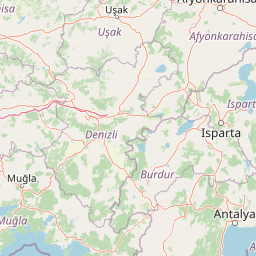
The park's primary significance rests on its status as the preserved battlefield of the decisive Battle of Dumlupınar, where Turkish forces secured their final major victory in the War of Independence. The Kocatepe Monument stands as the park's most prominent landmark, commemorating the commander-in-chief's headquarters and the strategic command center from which operations were directed. The various şehitlik (martyrs' cemeteries) throughout the park honor the fallen soldiers who gave their lives during the campaign. The on-site museum provides interpretive context through artifacts, documents, and displays that illuminate the historical events and their significance. The park's dual-section structure—with the Kocatepe area near Afyonkarahisar and the Dumlupınar section spanning multiple districts—allows visitors to explore different aspects of the battlefield and commemorative landscape.
Best time to visit Commander-in-Chief National Historic Park
The park can be visited throughout the year, though spring and autumn offer the most comfortable conditions for exploring the outdoor sites and monuments. Summer months can bring hot temperatures typical of Central Anatolia, while winters may bring cold conditions and possible snow. The park's outdoor nature makes it suitable for visits during cooler parts of the day in summer months. Visitors interested in history and military heritage will find the site most meaningful when they can leisurely explore the various monuments, memorial sites, and museum at a comfortable pace, allowing time to reflect on the historical significance of the landscape.