
Why Lake Kovada National Park stands out
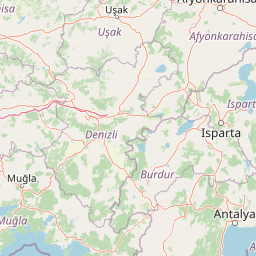
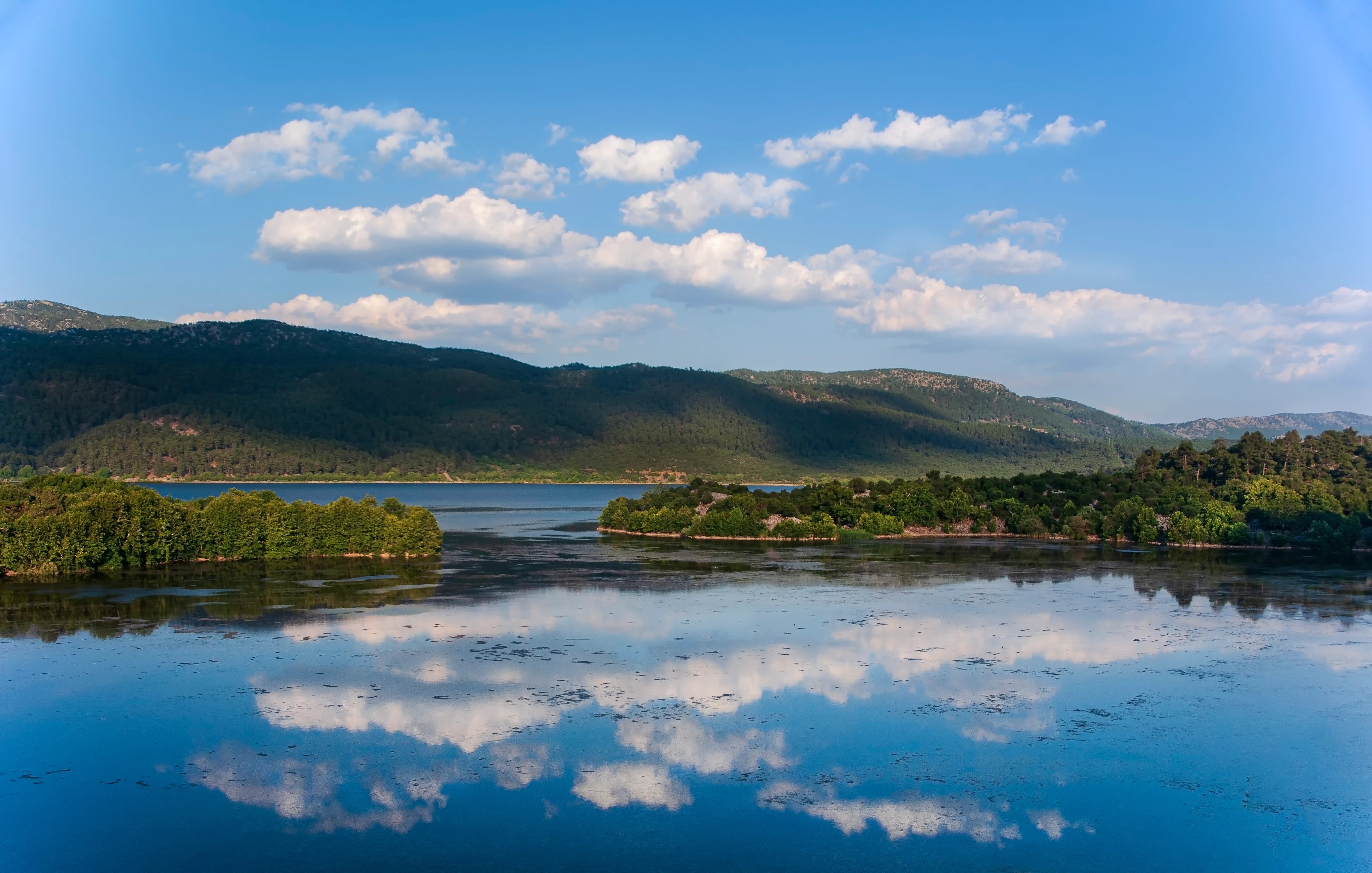
Lake Kovada National Park is best known for its namesake lake, a scenic freshwater body set within a mountain basin surrounded by forested terrain in the Taurus Mountain region. The park represents one of Turkey's key lake-focused protected areas, offering a distinctive combination of aquatic habitat, riparian zones, and upland forest in a relatively accessible location within the Anatolian interior. The lake itself serves as the primary visual and ecological anchor of the park, with its still waters, surrounding shoreline, and the transition to woodland and mountainous terrain creating a recognizable landscape character. The park's longevity since 1970 also establishes it as an established destination within Turkey's national park system.
Lake Kovada National Park history and protected-area timeline
Lake Kovada National Park was established on November 3, 1970, marking it as one of the earlier national parks created in Turkey under the country's modern national park legislation. The establishment reflected a growing recognition during the 1960s and early 1970s of the need to designate and protect significant natural areas across Turkey's diverse landscapes. Lake Kovada was identified as a candidate for protection due to its scenic and ecological value as a natural lake in a mountainous setting. The decision to create the national park followed broader governmental interest in developing a network of protected areas that would preserve representative examples of Turkey's natural heritage. The park has maintained its protected status continuously since 1970, with management responsibility assigned to the relevant national authority overseeing forestry and water management. Over the more than five decades since its establishment, the park has functioned as a designated conservation area and a destination for visitors seeking to experience a protected lake environment in the Anatolian interior.
Lake Kovada National Park landscape and geographic character
The landscape of Lake Kovada National Park centers on the lake basin itself—a natural freshwater lake occupying a structural depression within the mountainous terrain of the Taurus foothills. The lake sits at an elevation that places it in a montane setting, surrounded by slopes that rise toward higher terrain in the surrounding landscape. The shoreline of the lake varies between more gently sloped sections and areas where the terrain rises more directly from the water's edge. Beyond the immediate lake margin, the park encompasses forested slopes and transitional terrain that connects the lake basin to the broader watershed. The overall visual character combines the still waters of the lake with the green vegetation of the surrounding woodland and the mountainous backdrop, creating a landscape that is distinctly inland and removed from Turkey's coastal environments.
Lake Kovada National Park ecosystems, habitats, and plant life
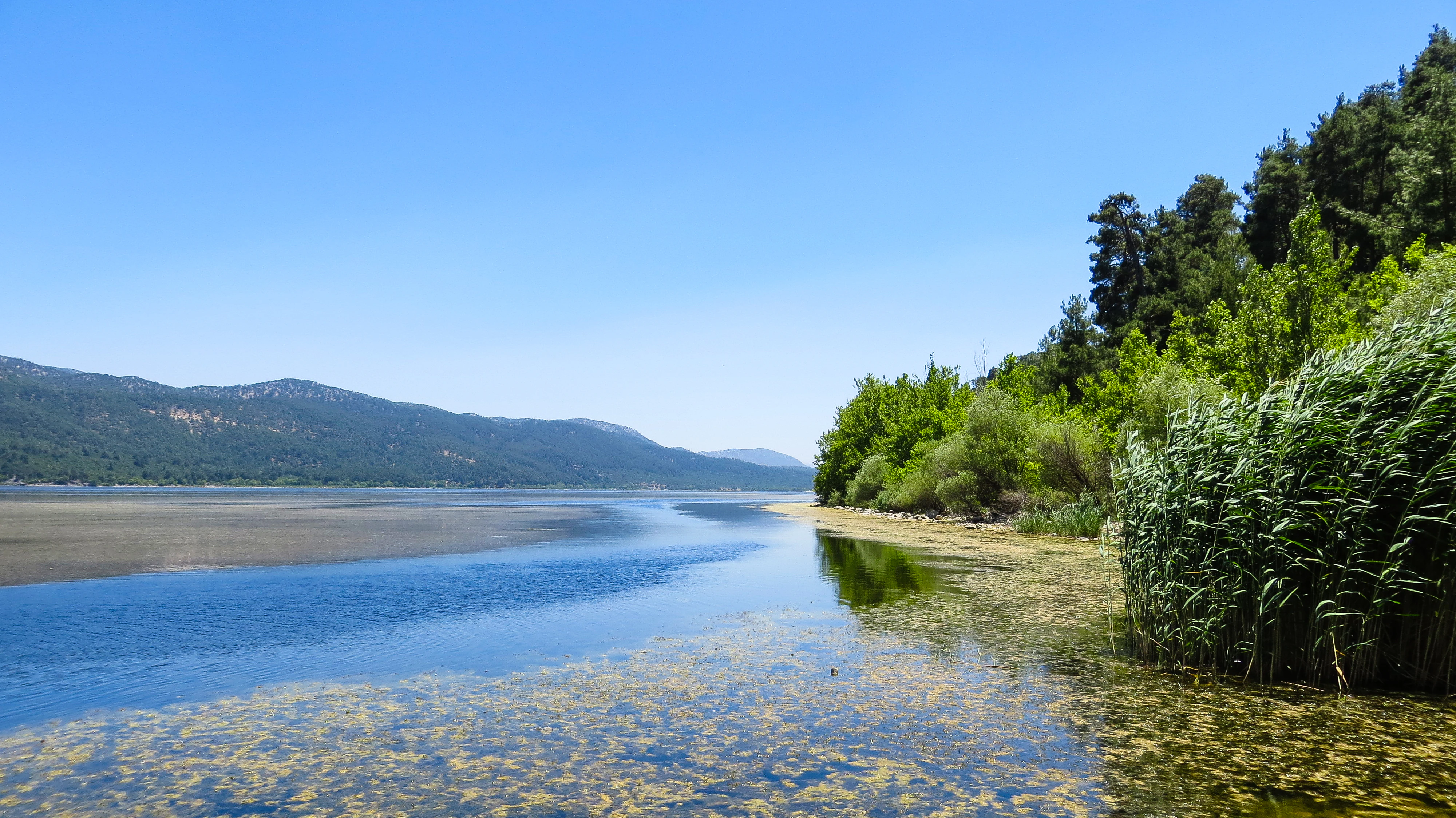
Lake Kovada National Park encompasses a lake-centered ecosystem that includes the open water habitat of the lake itself, shoreline and riparian zones where vegetation meets the water, and the forested and scrubland slopes that surround the basin. The lake provides important aquatic habitat within an otherwise predominantly terrestrial mountainous landscape. The surrounding vegetation includes woodland typical of the Taurus Mountain region, with species adapted to the continental climate and elevation of the area. The lake and its supporting watershed function as a self-contained hydrological unit, with the water body fed by local runoff and groundwater from the surrounding terrain. This combination of aquatic, riparian, and terrestrial habitats creates a relatively diverse ecological setting within the protected area.
Lake Kovada National Park wildlife and species highlights
The lake environment of Lake Kovada National Park supports aquatic wildlife including fish populations that inhabit the freshwater waters. The surrounding forested and scrubland areas provide habitat for typical species of the Taurus Mountain region, including various bird species that use the lake and its margins for feeding and nesting. The combination of open water, shoreline vegetation, and woodland creates a habitat mosaic that supports both water-associated species and terrestrial wildlife in the surrounding terrain.
Lake Kovada National Park conservation status and protection priorities
Lake Kovada National Park represents a long-standing protected area within Turkey's national park system, with conservation focused on maintaining the integrity of the lake ecosystem and the surrounding natural landscape. The park's designation in 1970 reflected early recognition of the need to protect significant natural lakes within Turkey's interior regions. The protected status aims to preserve the lake's water quality, shoreline character, and the ecological relationships between the aquatic and terrestrial components of the park. As a national park, the area receives formal recognition and management attention aimed at balancing conservation objectives with limited recreational use. The park serves as an example of lake protection in a region where inland freshwater environments face various pressures from development and resource use.
Lake Kovada National Park cultural meaning and human context
Lake Kovada National Park is situated within a region of southwestern Anatolia that has historical connections to agricultural and pastoral communities. The surrounding area of Isparta Province has traditionally been associated with fruit cultivation, livestock keeping, and settlement in the mountain valleys and plains. The park's lake and its watershed have likely been used historically by local communities for fishing, water access, and grazing in the surrounding terrain, though the protected status now limits some traditional uses within the park boundaries. The park's establishment in 1970 represented a formalization of conservation values that overlaid continued but regulated use of the area for recreation and nature appreciation.
Top sights and standout views in Lake Kovada National Park
Lake Kovada National Park's defining highlight is its namesake lake—a scenic mountain lake set in the Taurus foothills of southwestern Turkey, protected since 1970. The park offers a distinctly inland nature experience far from Turkey's coastal tourist zones, with the lake providing a central focal point for exploration and appreciation. The combination of still lake waters, surrounding woodland, and mountain backdrop creates a recognizable and peaceful landscape. Visitor facilities support camping and day-use recreation, making it accessible for those seeking a nature-oriented visit to a protected lake environment in Anatolia.
Best time to visit Lake Kovada National Park
Lake Kovada National Park can be visited throughout the year, though the best times for experiencing the park's landscape are during the spring and summer months when weather conditions are more favorable for outdoor activities. The lake and surrounding terrain are most accessible and inviting during the warmer period from May through September, when visitors can fully enjoy the camping and picnic facilities. Winter visitation is possible but the mountainous setting means cooler temperatures and potentially more limited access to some areas. The park's inland location means it experiences a continental climate with distinct seasons, and the character of the lake and surrounding landscape changes accordingly through the year.