Why Mount Güllük-Termessos National Park stands out
Mount Güllük-Termessos National Park is best known for its dual identity as both an archaeological treasure and a biodiversity hotspot. The ancient city of Termessos, nestled at 1,150 meters elevation on the mountain's southwestern slopes, represents one of Anatolia's finest preserved ancient settlements, featuring a theater, agora, royal Roman road, Hellenistic tombs, cisterns, and defensive walls. The park's ecological significance centers on its Mediterranean mountain environment hosting endangered fallback deer populations, diverse predators including caracals and lynxes, and a remarkable botanical inventory of 680 plant species with 39 endemic to the region. The Mount Güllük Interactive Natural History Museum, Turkey's first interactive nature museum, provides educational exploration of the region's unique flora and fauna.
Mount Güllük-Termessos National Park history and protected-area timeline
Mount Güllük-Termessos National Park was established on November 3, 1970, representing one of Turkey's original national parks created under the country's early conservation framework. The park's creation recognized the dual significance of the Mount Güllük area—both as a repository of Anatolian archaeological heritage and as a representative Mediterranean mountain ecosystem requiring protection. The ancient city of Termessos within the park predates the national park by over two millennia, having been founded by the Solymoi, one of the indigenous peoples of Anatolia, during the Hellenistic period. The city flourished during both Hellenistic and Roman times, with the most significant surviving structures dating to these periods. Following its establishment, the park fell under the jurisdiction of Turkey's Ministry of Forest and Water Management, which oversees national park management and conservation activities. The park has developed visitor infrastructure over the decades, with the Mount Güllük Interactive Natural History Museum representing a more recent addition as Turkey's first interactive nature museum, providing educational programming about regional ecology and biodiversity.
Mount Güllük-Termessos National Park landscape and geographic character
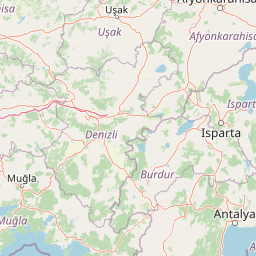
The landscape of Mount Güllük-Termessos National Park is characterized by dramatic topographic variation typical of the Taurus Mountains foothills in southwestern Turkey. The park spans an elevation range of approximately 1,415 meters, from 250 meters in the lower reaches to 1,665 meters at the summit of Mount Güllük. This significant elevation gradient creates diverse terrain including hills, valleys, and particularly notable canyons, with the Mecene Strait being the most prominent geological feature, descending to depths of 600 meters. The mountain rises from the travertine plains of Antalya, a geological formation characteristic of this Mediterranean coastal region where mineral-rich waters have deposited travertine terraces over geological time. The terrain supports a forest cover dominated by red pine at higher elevations, transitioning to maquis shrubland in lower zones—a characteristic Mediterranean vegetation pattern. The ancient city of Termessos occupies a saddle at approximately 1,150 meters elevation on the southwestern slopes of Mount Güllük, positioned within a natural amphitheater formed by surrounding peaks. The combination of forested slopes, deep canyons, and the archaeological city creates a landscape where cultural and natural heritage are intimately intertwined.
Mount Güllük-Termessos National Park ecosystems, habitats, and plant life
The natural environment of Mount Güllük-Termessos National Park exemplifies the biodiversity characteristic of Mediterranean mountain ecosystems in Turkey. The park's vegetation reflects the Mediterranean climate regime with its distinct seasonal patterns, supporting two primary plant formations: red pine forests at higher elevations and maquis shrubland in lower areas. Botanical inventories document approximately 680 plant species within the park's forest and maquis formations, of which 39 are endemic to Turkey and two species are found only on Mount Güllük itself—a remarkable degree of botanical uniqueness. This botanical diversity supports the park's ecological significance, creatinghabitat complexity that sustains diverse animal communities across the elevation gradient. The Mediterranean climate influences the park's ecological character through its hot, dry summers and mild, wet winters, with vegetation adapted to seasonal water stress and fire regimes typical of this climate zone.
Mount Güllük-Termessos National Park wildlife and species highlights
The wildlife community of Mount Güllük-Termessos National Park reflects the park's position within Turkey's Mediterranean biodiversity hotspot. Mammalian species include the fallow deer (known locally as alageyik), which is listed as an endangered species in the region, representing one of the park's most significant conservation priorities. Large mammals include mountain goats, which navigate the rocky terrain and steep canyon walls, while predators such as caracals and lynxes maintain populations within the park's diverse habitats. Smaller mammals include stone martens, foxes, rabbits, squirrels, badgers, hedgehogs, and various bat species. The avifauna features the Eastern imperial eagle among notable raptors, along with diverse songbird communities that inhabit the forested and shrubland zones. The presence of multiple predator species at various trophic levels indicates a relatively intact ecological community, while the endangered status of fallow deer highlights conservation significance.
Mount Güllük-Termessos National Park conservation status and protection priorities
Mount Güllük-Termessos National Park holds conservation significance for both its archaeological heritage and its natural biodiversity. The national park designation provides legal protection for the ancient city of Termessos and its Hellenistic and Roman-era structures, ensuring preservation of one of Anatolia's most significant ancient settlements. The ecological conservation value centers on the park's Mediterranean mountain ecosystems, which support populations of endangered species including fallow deer. The presence of 39 endemic plant species, including two found nowhere else, underscores the botanical significance of the area. The park's management under Turkey's Ministry of Forest and Water Management integrates both cultural preservation and natural resource protection, reflecting the dual-purpose conservation model that the national park represents. Visitor education is enhanced by the Mount Güllük Interactive Natural History Museum, which promotes understanding of regional biodiversity and conservation priorities.
Mount Güllük-Termessos National Park cultural meaning and human context
The cultural context of Mount Güllük-Termessos National Park centers on the ancient city of Termessos, founded by the Solymoi, one of the indigenous peoples of Anatolia. The city's founding by this pre-Hellenistic Anatolian group connects the landscape to the region's deep human history, predating Greek colonization of the Mediterranean coast. Termessos occupied a strategic mountain position that allowed the city to maintain independence longer than many coastal settlements, with its natural fortress location contributing to its distinctive character. The archaeological remains, particularly the Hellenistic tombs and Roman-period structures, represent continuous occupation and cultural development spanning centuries. The park also serves contemporary educational functions as a field site for universities, the General Directorate of National Parks and Wildlife, and TÜBİTAK for applied nature education programs. The Turkish name Güllük Dağı-Termessos Milli Parkı reflects the integration of the mountain's Turkish name with the ancient city's Greek-derived name, representing the layered cultural history of the landscape.
Top sights and standout views in Mount Güllük-Termessos National Park
The park's standout features include the remarkably well-preserved ancient city of Termessos with its theater, agora, Roman road, and Hellenistic tombs; the dramatic Mecene Strait canyon reaching 600 meters depth; and the endangered fallow deer populations in Mediterranean forest habitats. The Mount Güllük Interactive Natural History Museum provides an innovative educational experience unique among Turkish national parks. The elevation gradient from 250 to 1,665 meters creates accessible ecological zones, while the combination of archaeological and natural attractions makes the park distinctive. The 39 endemic plant species and two unique species found only on Mount Güllük represent botanical significance rarely matched in comparable protected areas.
Best time to visit Mount Güllük-Termessos National Park
The optimal visiting period for Mount Güllük-Termessos National Park extends from April through December, capturing the spring emergence of wildflowers through the warm summer months and into autumn. During this extended season, visitors can experience the full range of the park's attractions—from exploring the archaeological site to hiking the forest trails and enjoying the mountain scenery. The summer months offer warm, clear conditions ideal for mountain hiking, though visitors should anticipate higher temperatures in the lower elevations. Spring and autumn provide more moderate temperatures throughout the elevation gradient. The winter months see reduced visitor activity, and some facilities may have limited operating schedules. The camping facilities allow for extended stays, enabling visitors to experience the park's natural rhythms across multiple days.