
Why Lake Beyşehir National Park stands out
Lake Beyşehir National Park is best known for protecting Turkey's largest freshwater lake and one of the country's most important wetland ecosystems. The park's islands and shallow banks provide critical habitat for water birds, with 153 species recorded including pelicans, herons, grebes, and ducks that use the area for nesting and as a migratory stopover. The surrounding forests of Turkish cedar, juniper, fir, pine, and oak create a visually striking landscape where trees sometimes extend to the lake's edge, forming scenic coves and inlets. The park also contains significant Hittite archaeological sites, notably the Eflatun Pınar monument, and Seljuk-era heritage including the historic Taş Köprü stone bridge.

Lake Beyşehir National Park history and protected-area timeline
Lake Beyşehir National Park was officially designated on January 31, 1993, through a decision of Turkey's Council of Ministers, establishing formal protection for the Lake Beyşehir basin and its surrounding landscapes. The park was created to safeguard one of Turkey's most important freshwater ecosystems and the remarkable biodiversity it supports, including critical habitat for migratory water birds. At the time of its establishment, the park's area of 86,855 hectares made it the largest national park in Turkey, a distinction it held until Mount Ararat National Park was declared in 2004. The creation of the park reflected growing recognition in Turkey of the need to protect significant natural areas and the ecological services provided by freshwater lakes and their associated wetlands. The protected area falls under the management of Turkey's Ministry of Forest and Water Management through the General Directorate of Nature Conservation and National Parks, which oversees conservation activities and visitor management within the park boundaries.
Lake Beyşehir National Park landscape and geographic character
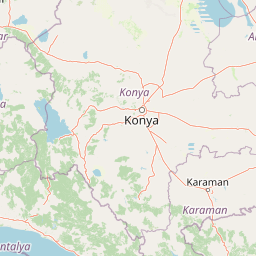
The landscape of Lake Beyşehir National Park is defined by the presence of Lake Beyşehir itself, a expansive freshwater lake that dominates the western portion of the protected area. The lake's shallow banks and numerous islands create a varied shoreline with coves, inlets, and wetlands that transition gradually into the surrounding terrestrial terrain. The surrounding terrain rises gently from the lake shore into forested hills and mountain slopes that characterize the park's eastern reaches. The park's forest cover consists primarily of Turkish cedar, juniper species, fir, pine, and oak, with trees in places extending directly to the water's edge to form visually striking scenes of forest meeting lake. The elevation of approximately 1,100 meters contributes to a landscape character distinct from both the lowland lakes of western Turkey and the higher alpine zones found in eastern Anatolia. The presence of islands within the lake adds geographical complexity, with these landforms serving as crucial nesting sites for water birds and contributing to the visual diversity of the park.
Lake Beyşehir National Park ecosystems, habitats, and plant life
The ecosystems within Lake Beyşehir National Park exhibit remarkable botanical diversity, with the protected area harboring 85 plant families, 305 genera, 545 species, 54 subspecies, and 140 varieties. Of particular significance, 88 of the 560 taxa recorded in the park are endemic to Turkey, reflecting the region's role as a center of plant diversity. The vegetation reflects Mediterranean-influenced forest communities with Turkish cedar forming a prominent component alongside common juniper, Phoenicean juniper, various fir and pine species, and kermes oak in drier positions. The flora also includes diverse herbaceous species such as male fern, windflower, poppy, sage, snowdrop, and cyclamen, adding seasonal color to the forest understory. The aquatic environment of Lake Beyşehir supports its own distinct community of freshwater organisms adapted to the lake's alkaline waters, with the lake's productivity supporting fish populations and the birds that depend on them.
Lake Beyşehir National Park wildlife and species highlights
Lake Beyşehir National Park supports exceptional wildlife diversity, particularly in its avifauna, with 153 bird species recorded within the park boundaries. The lake and its islands serve as crucial habitat for water birds including coot, pelican, heron, grebe, mallard, little grebe, and tufted duck, many of which nest on the islands and shallow banks during breeding season. The lake and its inflowing creeks support 16 freshwater fish species, including commercially important species such as zander, carp, and vimba. The terrestrial environments surrounding the lake provide habitat for three amphibian species, 14 reptile species, and 34 mammal species, indicating a relatively intact mammal community. The combination of aquatic, wetland, and forest habitats creates an ecological mosaic that supports diverse species assemblages and makes the park particularly significant for wildlife conservation in central Anatolia.
Lake Beyşehir National Park conservation status and protection priorities
Lake Beyşehir National Park represents a crucial conservation asset for Turkey, protecting the nation's largest freshwater lake and the diverse ecosystems it supports. The park's significance extends beyond its size to encompass the biodiversity it safeguards, including 88 endemic plant taxa and important populations of water birds that rely on the lake and its islands for nesting and as migratory stopovers. The protected area also preserves critical wetland habitat that provides ecosystem services including water filtration, flood control, and carbon sequestration while supporting fisheries that contribute to local livelihoods. The designation of the park in 1993 reflected Turkey's commitment to preserving representative examples of the country's natural heritage, with Lake Beyşehir chosen for protection due to its ecological importance, scenic beauty, and cultural significance.
Lake Beyşehir National Park cultural meaning and human context
Lake Beyşehir National Park contains significant cultural heritage that reflects the long human history of the Lake Beyşehir basin. The most notable archaeological site within the park is Eflatun Pınar, a Hittite monument located approximately 22 kilometers from Beyşehir town, dating to approximately 1300-1200 BCE. This Hittite spring monument represents ancient religious practices associated with water worship in Anatolian civilizations. The park also contains the historic Taş Köprü, a stone bridge constructed between 1908 and 1914 that combines dam and bridge functions, reflecting Ottoman-era infrastructure in the region. The Karatepe area within the park features ancient fortification walls associated with the Karatepe-Aslantaş Open-Air Museum, adding another layer of historical significance. These cultural elements, combined with Seljuk-era heritage in the surrounding region, demonstrate that the Lake Beyşehir area has been a significant center of human activity throughout Anatolian history, with the landscape valued for its water resources and strategic position.
Top sights and standout views in Lake Beyşehir National Park
Lake Beyşehir National Park offers visitors a combination of natural beauty, biodiversity, and cultural heritage within one of Turkey's largest protected areas. The park's defining feature is Lake Beyşehir itself, a vast freshwater lake with islands, coves, and scenic shores that create memorable landscapes. The protected area supports remarkable birdlife, with the lake's islands serving as vital nesting grounds for pelicans, herons, and ducks while attracting migratory species throughout the year. The surrounding forests of Turkish cedar and juniper extend to the water's edge in places, creating visually striking scenes. Cultural highlights include the ancient Hittite monument at Eflatun Pınar and the historic Taş Köprü stone bridge, adding historical depth to the visitor experience. The park provides diverse recreational opportunities including trekking, hiking, mountain biking, and boat rides on the lake, with facilities including picnic areas and campgrounds available for day visitors and those traveling with tents or campers.
Best time to visit Lake Beyşehir National Park
The best time to visit Lake Beyşehir National Park for outdoor recreation and sightseeing is between May and October, when warm and generally stable weather conditions prevail at the park's elevation of around 1,100 meters. During this summer season, visitors can fully enjoy activities such as hiking, trekking, mountain biking, and boat trips on the lake, while the surrounding forests provide pleasant shade for exploration. The spring months of May and June bring blooming wildflowers to the park's meadows and forest clearings, adding color to the landscape. Summer offers the warmest conditions for swimming and lakeside recreation, though the elevation ensures temperatures remain moderate rather than extreme. Autumn in September and October brings changing foliage colors in the deciduous and mixed forests surrounding the lake and typically thinner visitor crowds compared to peak summer months. Winter visits are possible but recreational facilities are more limited, and the park's higher elevation can bring cold conditions and occasional snow.