Why Veracruz Reef System National Park stands out
Veracruz Reef System National Park is best known for its extensive coral reef complex that represents one of the most important and oldest reef systems in Mexico. The park preserves four distinct reef groups: outer reefs with continuous development on windward and leeward slopes, intermediate reefs featuring long gentle leeward slopes, inner reefs with significant sediment accumulation, and fringing reefs that develop along the coast. The system is notable for its remarkable recovery capacity compared to other reefs in the Gulf of Mexico, despite suffering substantial damage from 500 years of human activity. It also holds pre-Hispanic archaeological significance at Isla de Sacrificios, where sacred rituals and ceremonies were conducted by indigenous peoples. The park's designation as a Ramsar Site acknowledges its wetland importance and biodiversity significance.
Veracruz Reef System National Park history and protected-area timeline
The Veracruz Reef System has a documented history spanning centuries. Pre-Hispanic indigenous peoples of the Veracruz region used Isla de Sacrificios for religious worship and ceremonial activities, leaving behind archaeological evidence of their presence. During the colonial era, the islands served practical purposes including ship repair and preparation for maritime military campaigns. The first documented scientific reference to the reef system appeared in 1891 by Heilprin, followed by Alexander von Humboldt's description of local inhabitants using coral stone (piedra mucar) for construction. Scientific mapping of the coral reefs began in 1912 by Joubin, though systematic geological and topographical research did not resume until 1963 by Emery. Initial attempts to protect Veracruz reefs began in 1975 when La Blanquita reef was designated as a refuge for marine flora and fauna. Additional reefs including Anegada de Afuera, Isla de En Medio, Rizo, Punta Antón Lizardo, and Isla Verde were subsequently proposed for protection. On August 24, 1992, following initiatives from multiple government agencies, President Carlos Salinas de Gortari decreed the reef system as a national maritime park, establishing the formal protected area that exists today.
Veracruz Reef System National Park landscape and geographic character
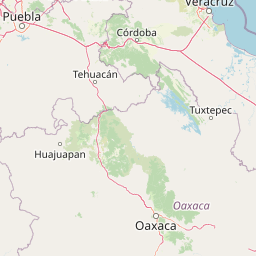
The Veracruz Reef System National Park encompasses a distinctive marine landscape characterized by coral reef formations rising from depths of 50 meters to create a submarine mountain range within the inner Gulf of Mexico. The park is divided into two geographically separated polygons: the Veracruz Polygon located directly offshore from the port city of Veracruz, containing seven reefs and two islands, and the Antón Lizardo Polygon situated approximately 20 kilometers to the southwest, comprising 12 reefs and four islands. Among the notable islands are Isla Verde with its distinctive vegetation including pandanus, randia, and agave species, and Isla Santiaguillo which features a lighthouse. The reef landscape includes numerous small islets and low islands that support terrestrial vegetation including mangroves and coconut palms. The structural diversity of the reefs, ranging from outer reefs exposed to open ocean conditions to protected fringing reefs along the coast, creates varied underwater terrain that supports different marine communities.
Veracruz Reef System National Park ecosystems, habitats, and plant life
The reef system supports exceptional marine biodiversity within a relatively limited geographic area. According to Mexico's National Biodiversity Information System, more than 1,140 species of plants and animals inhabit the park, of which 34 species are classified within risk categories under Mexico's official endangered species list (NOM-059) and 21 are exotic species. The marine ecosystem includes both stony corals that form the structural foundation of the reef and numerous associated invertebrate groups including mollusks such as clams, snails, and slugs, polychaete and annelid worms, echinoderms including sea stars, sea urchins and sea cookies, and crustaceans such as crabs, octopuses, and shrimp. The reef also supports a remarkable diversity of colorful fish species. The park's vegetation includes both terrestrial and aquatic components with 28 documented species. Terrestrial vegetation encompasses various grasses, shrubs, and trees including casuarina and palms, while aquatic vegetation includes seagrass species such as Thalassia testudinum and a variety of algae. Small islands within the park support mangrove communities and coconut palms.
Veracruz Reef System National Park wildlife and species highlights
The wildlife of Veracruz Reef System National Park centers on its diverse coral reef communities and associated marine fauna. The reef supports numerous stony coral species that create the structural habitat upon which much of the park's biodiversity depends. Fish communities are particularly diverse, with colorful species including the cofrecito, lora, and surgeonfish representing typical reef inhabitants. The reef also supports species of high commercial value including lobster, octopus, snail, oyster, and snook, though overfishing poses a significant threat to these populations. Birdlife includes brown pelicans frequently observed in the area. The marine environment includes more than 350 sunken ships that have become artificial reef structures, adding complexity to the habitat and supporting additional marine life. The park's islands and islets provide resting and nesting habitat for seabirds, while the surrounding waters support migratory species.
Veracruz Reef System National Park conservation status and protection priorities
Veracruz Reef System National Park holds significant conservation importance as one of Mexico's premier reef protected areas and a recognized Ramsar Wetland Site of International Importance. The park meets four of the eight biodiversity criteria established by the Ramsar Convention, with particular significance as a rare and unique example of a reef system that has persisted despite approximately 500 years of substantial anthropogenic pressure. Scientific studies indicate that the reef demonstrates a higher recovery rate compared to other reefs in the Gulf of Mexico, suggesting resilience that conservation efforts can build upon. However, the park faces significant conservation challenges including water quality degradation from drainage discharges from the metropolitan area, hydrocarbon spills from vessel traffic in the port zone, coral extraction for construction materials and crafts, overfishing of commercially valuable species, and pollution from industrial sources including agricultural, sugar, metallurgical, petrochemical, tobacco, and textile operations. The park's designation as part of Mexico's Thirteen Natural Wonders reflects its recognized ecological and scenic value.
Veracruz Reef System National Park cultural meaning and human context
The Veracruz Reef System holds deep cultural significance rooted in centuries of human interaction with the marine environment. Isla de Sacrificios served as a sacred site for pre-Hispanic indigenous peoples, who conducted religious worship and ceremonial activities there, leaving archaeological evidence including burial sites and remains of Tononaca temples. During the colonial period, the island was utilized for repairing vessels and preparing maritime military operations. A royal decree from 1705 ordered recognition of the Veracruz coast, including Sacrificios Island, to evaluate the feasibility of establishing a shipyard. The reef system also holds literary and scientific historical significance, being first cited in 1891 and mentioned by Alexander von Humboldt in his writings about New Spain. The region has been shaped by its position as a major port and gateway between Spain and New Spain, with the reef system's islands playing roles in defense and maritime commerce throughout the colonial and independence periods.
Top sights and standout views in Veracruz Reef System National Park
The park's defining highlights include its status as one of Mexico's oldest and most ecologically significant coral reef systems, with formations approximately 10,000 years old. The four distinct reef types (outer, intermediate, inner, and fringing) create diverse underwater environments supporting exceptional biodiversity. The pre-Hispanic archaeological significance of Isla de Sacrificios connects the park to ancient indigenous ceremonial practices. The presence of more than 350 sunken ships offers unique diving and exploration opportunities. The park's recognition as both an IUCN Category II protected area and a Ramsar Wetland Site underscores its international conservation importance. Its inclusion among Mexico's Thirteen Natural Wonders reflects broad public appreciation for its ecological and scenic value.
Best time to visit Veracruz Reef System National Park
The Veracruz Reef System experiences a warm-humid climate with an average annual temperature of 26°C, making it suitable for marine activities year-round. The coolest period occurs between January and February when temperatures drop to around 18°C. The region experiences two distinct rainy seasons: the "nortes" season from September to April brings lower precipitation along with cooler temperatures and frequent cold air masses ranging from fresh winds to violent storms and hurricanes; the warmer period from May to August features higher temperatures and increased rainfall. The most comfortable conditions for water-based activities typically occur during the transition months when air temperatures are moderate and sea conditions are stable. However, visitors should be aware that the hurricane season from September to November can bring severe weather conditions that may affect access to marine areas.