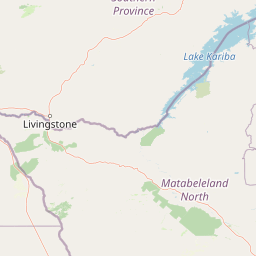
Why Victoria Falls National Park stands out
Victoria Falls National Park is best known for providing access to one of the world's most spectacular natural wonders while protecting a unique ecosystem created by the constant spray of the falls. The rainforest that flourishes in the mist zone represents the park's most distinctive ecological feature, supporting tropical plant species including ferns, palms, and mahogany trees that are otherwise absent from the surrounding Zambezian and mopane woodlands. The park also provides crucial habitat for large mammals including elephant, buffalo, rhinoceros, and hippo that move through the river corridor, making it an important component of transboundary conservation efforts in the Kavango-Zambezi region.
Victoria Falls National Park history and protected-area timeline
Victoria Falls National Park was established to protect the immediate surrounds of Victoria Falls and the adjacent sections of the Zambezi River corridor. While the waterfall itself had been a protected area of some form since the colonial period, the specific national park designation formalizes protection for both the waterfall zone and the riverine environments extending downstream. The park's designation as a Ramsar Wetland in 2013 marked a significant milestone, recognizing the international importance of the wetland ecosystems associated with the falls and the river. This designation brings additional international obligations and visibility for the protected area. The park remains under the management of the Zimbabwe Parks and Wildlife Management Authority, which oversees all national parks and protected areas in the country. Ongoing discussions regarding the Kavango-Zambezi Transfrontier Conservation Area may eventually see Victoria Falls National Park incorporated into a larger transboundary protected landscape connecting conservation areas across five southern African nations.
Victoria Falls National Park landscape and geographic character
The landscape of Victoria Falls National Park is defined by the Zambezi River and the dramatic geological features associated with the waterfall system. The river approaches the falls as a broad, gentle stream before cascading over a basalt plateau into a series of steep gorges that have been carved by the water over millennia. The falls themselves drop into a chasm roughly 100 meters deep, with the water then exiting through a narrow gorge that marks the beginning of the Zambezi's journey through the Batoka Gorge. The park protects both the immediate waterfall zone and the river corridor downstream, where the water flows through a relatively open valley flanked by woodland and rocky outcrops. The underlying basalt geology shapes both the waterfall's formation and the character of the surrounding terrain, with the dark volcanic rock creating a distinctive visual backdrop for the white waters of the falls. Away from the river, the landscape transitions into the miombo and mopane woodlands typical of northwestern Zimbabwe, with the river corridor acting as a verdant lifeline through the otherwise drier terrain.
Victoria Falls National Park ecosystems, habitats, and plant life
The nature of Victoria Falls National Park is characterized by a unique combination of riverine and mist-created ecosystems set within the broader context of Zambezian and mopane woodlands. The most remarkable feature is the rainforest that grows in the spray zone directly above the falls, where constant moisture supports a community of plants more typical of tropical forests than the semi-arid savanna surroundings. Ferns, palms, lianas, and trees including mahogany thrive in this environment, creating an enclosed forest canopy that represents a significant biological anomaly in the region. The damp conditions also support a rich diversity of fungi, which play essential ecological roles in decomposition and nutrient cycling within the forest ecosystem.
The river itself forms the central axis of the park's ecology, with the floodplain and riparian zones supporting distinct plant communities compared to the surrounding woodlands. These riverine habitats provide critical resources for wildlife, particularly during the dry season when the river becomes a vital water source for large mammals. The park's position within the Zambezian and mopane woodlands ecoregion means it sits at the intersection of multiple habitat types, with the river corridor acting as an ecological bridge that connects different ecosystems and supports species movement through the landscape.
Victoria Falls National Park wildlife and species highlights
Victoria Falls National Park supports diverse wildlife populations, with large mammals being the primary attraction for visitors. African elephants move through the river corridor and can often be observed bathing or feeding along the banks, while Cape buffalo herds graze in the floodplain areas. Southern white rhinoceros have been reestablished in the area and can be spotted during drives, representing a conservation success story for the species. Hippopotamus occupy the deeper pools of the Zambezi, particularly visible during the dry season when they congregate in numbers along the river banks. Giraffes browse in the woodland areas bordering the river, while eland and various antelope species including impala and kudu move through the park's different habitats.
The Zambezi River supports a significant population of Nile crocodiles, which can be observed basking on sandbanks or swimming in the shallows. While the crocodiles represent a hazard for swimming, they are a notable part of the river ecosystem and are featured in the nearby Crocodile Ranch, which provides safer viewing opportunities for visitors. Birdlife is also prominent, with the river and surrounding habitats supporting numerous species associated with water bodies and woodland areas. The combination of river, woodland, and the unique rainforest creates diverse ecological niches that support this wildlife assemblage within a relatively compact protected area.
Victoria Falls National Park conservation status and protection priorities
Victoria Falls National Park serves important conservation functions despite its relatively small size. The Ramsar Wetland designation awarded in 2013 recognizes the international significance of the wetland ecosystems associated with the falls and the river corridor. These wetlands provide critical habitat for waterfowl, support fish populations, and maintain ecological processes that benefit wildlife throughout the broader Zambezi system. The rainforest in the spray zone represents a unique habitat of conservation importance, as it contains plant species found nowhere else in the region and demonstrates the ecological impact of the waterfall's microclimate.
The park also plays a role in the Kavango-Zambezi Transfrontier Conservation Area, a major transboundary conservation initiative linking protected areas across five southern African countries. This network aims to maintain wildlife corridors that allow elephant, rhino, and other large mammals to move across international boundaries, maintaining genetic diversity and supporting populations that span multiple jurisdictions. Victoria Falls National Park contributes to this vision by protecting a critical segment of the Zambezi River corridor and providing habitat for species that move through the broader regional landscape.
Victoria Falls National Park cultural meaning and human context
Victoria Falls holds significant cultural importance for local communities in northwestern Zimbabwe. The waterfall is known locally as Mosi-oa-Tunya, meaning "the smoke that thunders" in the local language, a name that captures both the visual spectacle and the constant roar of the cascading water. The area has been inhabited by various communities over centuries, with the river providing resources and the falls serving as a significant landmark in regional culture and cosmology. The contemporary protected area exists within this cultural landscape, with the town of Victoria Falls having grown as a tourism gateway that brings visitors from around the world to experience the natural wonder. The park's management by the Zimbabwe Parks and Wildlife Management Authority balances conservation objectives with tourism development, creating a framework where the protected area supports both environmental protection and economic benefits for the local community through visitor services and employment.
Top sights and standout views in Victoria Falls National Park
The primary highlight of Victoria Falls National Park is the opportunity to experience Victoria Falls itself, one of the world's most powerful and beautiful waterfalls, from within a protected natural environment. The rainforest walk through the mist zone offers a unique experience, allowing visitors to traverse tropical forest surrounded by the constant spray and thundering roar of the falls. Wildlife viewing along the Zambezi River provides encounters with elephants, hippos, crocodiles, and other large mammals in their riverine habitat. The park's compact size makes it accessible for day visitors while still offering meaningful wilderness experience. The Ramsar designation underscores the wetland importance of the area, while the transboundary conservation context positions the park as part of a larger regional effort to protect southern Africa's natural heritage.
Best time to visit Victoria Falls National Park
Victoria Falls can be experienced year-round, though the character of the visit changes significantly with the seasons. The dry season from April to October offers easier wildlife viewing as animals concentrate around the river, and the reduced vegetation makes animals more visible during game drives. However, water flow over the falls is typically lower during these months, meaning the waterfall is less impressive than during the wet season. The rainy season from November to March brings much higher water volumes, making the falls a more spectacular cascade, though thick mist can limit visibility and the rainforest trail may be wetter. March and April represent a transition period when water levels remain high while vegetation is still relatively sparse, potentially offering the best combination of waterfall drama and wildlife viewing conditions. Visitors should note that malaria precautions are recommended for the area.