Why Wilderness National Park stands out
Wilderness National Park is best known for its exceptional coastal wetland system and the rare Knysna seahorse, one of the world's most endangered seahorse species. The park protects critical habitat for this endemic species within its estuarine environments. The interconnected lake system formed by the Touws River, featuring Eilandvlei, Langvlei, and Rondevlei, represents a unique hydrological system that supports diverse aquatic life and migratory waterbirds. The ancient Woodville Big Tree, estimated to be over 800 years old, stands as a living landmark within the park's forest zones.
Wilderness National Park history and protected-area timeline
The conservation history of the Wilderness area began in 1968 when authorities recognized the ecological importance of the lakes system and initiated protection measures. At that time, approximately 450 hectares around the Touws River mouth, including two lakes and the Duiwerivier Kloof, were identified for conservation. The Lake Areas Development Board managed these protected lands until 1985, when responsibility transferred to the National Parks Board. This transition marked a new era for the region's protection. Wilderness National Park was officially proclaimed in 1987, establishing formal national park status for the area. In 2008, the park was integrated into the newly established Garden Route National Park, becoming part of a larger coordinated conservation effort spanning the entire Garden Route region.
Wilderness National Park landscape and geographic character
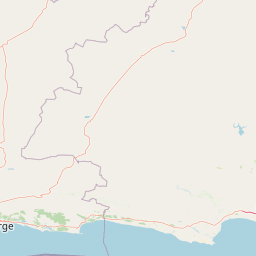
The physical landscape of Wilderness National Park presents a varied terrain shaped by the interaction of river systems, coastal processes, and mountainous terrain. The Touws River descends from the inland mountains to create a series of three interconnected lakes: Eilandvlei, Langvlei, and Rondevlei, each with distinct characters and ecological functions. These water bodies drain through wetlands before reaching the Eilandvlei estuary and eventually the Indian Ocean. The park protects three major zones of indigenous forest, where tall trees create cathedral-like canopies over the forest floor. Between the forest zones, patches of fynbos cover the slopes, representing four distinct types of this uniquely Cape vegetation characterized by fine-leaved shrubs and seasonal wildflower displays. The coastal margin features estuary environments where fresh and salt water mix, creating productive brackish habitats supporting specialized species.
Wilderness National Park ecosystems, habitats, and plant life
The ecological character of Wilderness National Park reflects its position within the Cape Floristic Region, one of the world's six floral kingdoms and the smallest and most threatened. The park protects four types of fynbos vegetation, the distinctive Cape scrubland vegetation adapted to the region's Mediterranean climate and nutrient-poor soils. These fynbos communities support remarkable plant diversity, including numerous endemic species found nowhere else on Earth. The indigenous forests within the park represent some of the last remaining patches of this once-extensive forest type along the southern coast. The lake system, designated as a Ramsar site of international importance, forms the ecological heart of the park. These wetlands serve as critical habitat for waterbirds, support aquatic species, and function as natural water filters and flood buffers. The estuarine environments where rivers meet the sea create unique brackish conditions that harbor specialized species adapted to varying salinity levels.
Wilderness National Park wildlife and species highlights
The wildlife of Wilderness National Park reflects the park's diverse habitats, from forest canopies to wetland margins and coastal waters. The Knysna seahorse represents the park's most celebrated resident, an endangered species found only in this region and dependent on the estuary and lake environments for its survival. The pansy shell, a distinctive sea urchin with vibrant coloring, inhabits the coastal waters. Birdlife is particularly abundant, with the pied kingfisher a common sight along waterways, the Knysna lourie (also known as the knysna turaco) haunting the forest canopy with its striking plumage and haunting calls, while grey herons and little egrets stalk the wetland margins. This avifauna community includes both forest-dwelling species and water-associated birds, making the park a rewarding destination for birdwatchers.
Wilderness National Park conservation status and protection priorities
Wilderness National Park plays a significant role in South Africa's conservation landscape, protecting critical habitat for several endangered and endemic species. The designation of the lake system as a Ramsar site acknowledges the international importance of these wetlands under the Ramsar Convention on Wetlands, committing South Africa to their wise use and conservation. The park protects the Knysna seahorse, ranked among the world's most threatened seahorse species, within its protected boundaries. By joining the Garden Route National Park in 2008, Wilderness became part of a larger integrated conservation initiative that coordinates management across the broader Garden Route region, connecting fragmented habitats and strengthening conservation outcomes across landscape scales.
Wilderness National Park cultural meaning and human context
The cultural landscape of Wilderness National Park includes traces of human history that predate formal protection. The Goudveld area within the park preserves remnants of an old mining town, evidence of early European settlement and resource extraction in the forest regions. The Woodville Big Tree, believed to be over 800 years old, stands as a natural monument connecting the present to centuries of history, having witnessed the changes that transformed this landscape from indigenous occupation through colonial settlement to modern conservation. These cultural elements add depth to the park's identity, showing how human communities have interacted with this landscape over time.
Top sights and standout views in Wilderness National Park
The interconnected lake system of Eilandvlei, Langvlei, and Rondevlei forms the centerpiece of the park, offering paddling opportunities through tranquil waters surrounded by forest and fynbos. The ancient Woodville Big Tree provides a tangible connection to the park's deep past, its massive trunk a reminder of the ancient forests that once covered this region. The estuary and coastal waters support the endangered Knysna seahorse, a conservation priority that makes this park globally significant for marine biodiversity. The blend of indigenous forest, fynbos, wetlands, and coast creates a compact but remarkably diverse landscape where visitors can experience multiple ecosystems within a single protected area.
Best time to visit Wilderness National Park
The park can be visited throughout the year, with each season offering different experiences. The summer months from November to March bring warmer temperatures and longer days ideal for paddling, hiking, and outdoor activities on the water. The fynbos typically blooms during spring and early summer, displaying colorful wildflower displays across the shrubland areas. Winter months from June to August bring cooler conditions and increased rainfall, which sustains the lake system and creates lush green landscapes. Birdwatching is rewarding year-round, though migratory waterbirds are most present during the southern hemisphere summer.