
Why Zhengzhou Yellow River Scenic Area stands out
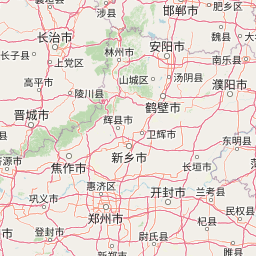
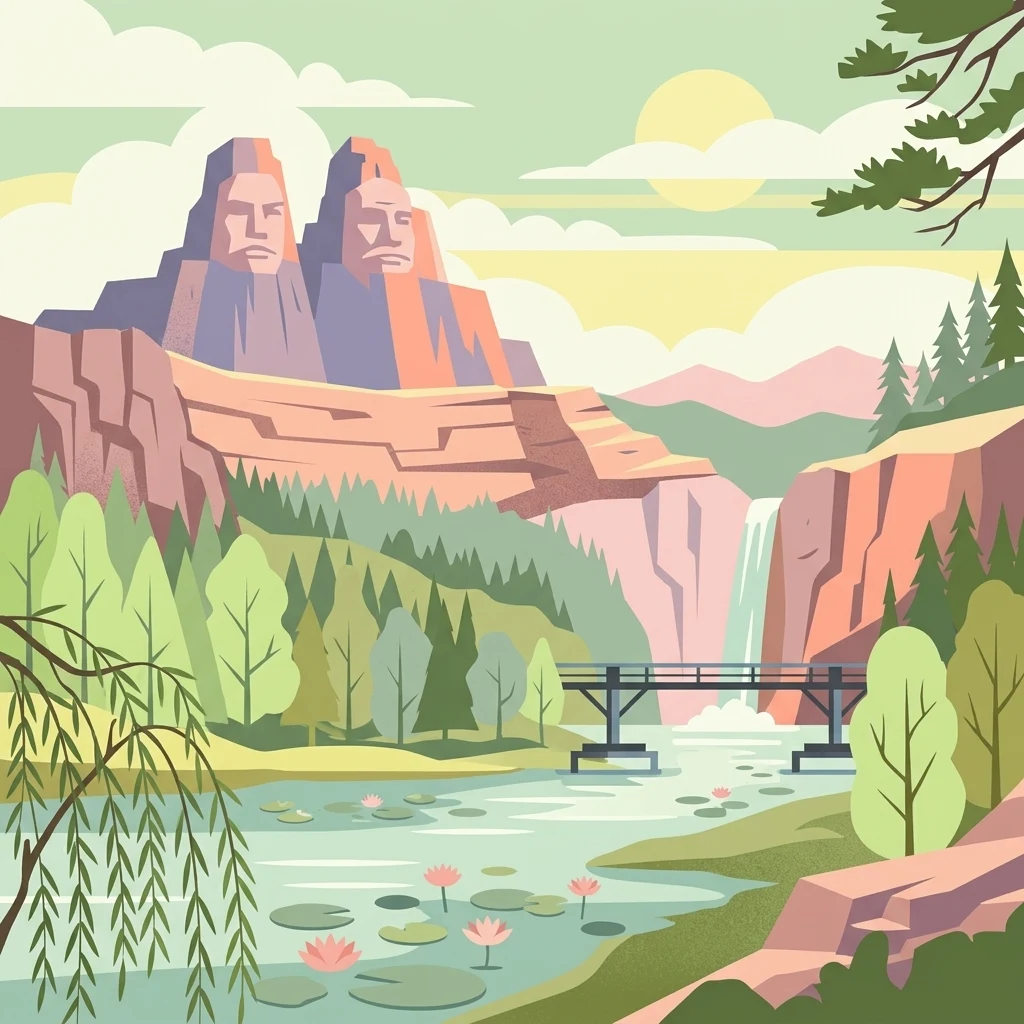
The area is best known for the colossal Yan and Huang Emperors sculpture, one of the largest figurative monuments in the world, rising 106 meters above the surrounding hill. It is also recognized for the Yellow River Mother statue at Wulong Peak, the Great Yu statue overlooking Camel Ridge, and high vantage points offering sweeping views of the Yellow River and the historic Zhengzhou Yellow River Railway Bridge.
Zhengzhou Yellow River Scenic Area history and protected-area timeline
The history of the Zhengzhou Yellow River Scenic Area begins on October 31, 1952, when Mao Zedong ascended Xiaodingshan to observe the eastward flow of the Yellow River and declared that the problems of the Yellow River must be handled well. A photograph taken during that visit of Mao looking out at the Zhengzhou Yellow River Bridge became an iconic image of the site. In 1985, a standing statue of Mao was installed at the viewpoint, and in 2004, a heavier seated bronze statue replaced it to more faithfully recreate the moment of his inspection.
Parallel to this symbolic history, the region underwent significant infrastructural transformation. In 1970, in order to address Zhengzhou's chronic water shortages, construction began on the Mang Mountain Pumping Station, mobilizing roughly 100,000 workers and finishing in 1972. In 1974, the pumping station's party secretary Wang Renmin proposed developing the area into a scenic zone, leading to the creation of the Yellow River Mother sculpture and other early attractions. In 1981, the Zhengzhou municipal government officially redesignated the site as the Zhengzhou Yellow River Tourist Area, and by 1985 it was already welcoming over a million visitors annually.
In 1988, the site became one of the first provincial-level scenic areas in Henan, and in 2002 it was upgraded to National AAAA tourist attraction status and renamed the Zhengzhou Yellow River Scenic Area. Geological and earth-science recognition followed in 2005, when the Ministry of Land and Resources designated it a National Geopark, and in 2011 it was further recognized as a Ministry of Land and Resources science popularization base, cementing its status as a hybrid cultural-natural destination.
Zhengzhou Yellow River Scenic Area landscape and geographic character
The landscape of the scenic area is defined by the sharp transition between the Yellow River floodplain and the elevated loess highlands of Mang Mountain and Yueshan. From the riverbank, the terrain rises in a series of ridges and modest peaks, with Wulong Peak forming a multi-ridged central massif and Camel Ridge standing out for its distinctive camel-shaped silhouette. The hillsides, once described as barren, were extensively replanted, turning the area into a sustained green belt overlooking the river.
The river itself anchors the scenery. Wide, slow-moving stretches of the Yellow River pass along the northern edge of the park, and elevated lookout points, particularly near Yueshan Temple and Xiaodingshan, provide unobstructed views across the water. The presence of the historic Zhengzhou Yellow River Railway Bridge below the cliffs adds a strong industrial-historical layer to the otherwise natural horizon, where riverine flats meet cultivated plains stretching toward the east.
Zhengzhou Yellow River Scenic Area conservation status and protection priorities
The Zhengzhou Yellow River Scenic Area plays a dual conservation role. As a National Geopark, it protects a representative section of the Yellow River valley where loess uplands, river terraces, and bedrock ridges meet, offering documented geological exposures of the region's transitional landscape between the North China Plain and the western highlands. The park's reclamation of thousands of mu of formerly barren Mang Mountain hillsides into forested green slopes also represents a long-term ecological rehabilitation effort along the Yellow River corridor.
Beyond geology and reforestation, the area's protected status as a national-grade scenic zone and AAAA tourist attraction has helped frame the Yellow River itself here as a conserved landscape rather than merely an industrial waterway. The combination of geological, scenic, and cultural protection ensures that the riverbank environment around Zhengzhou is preserved as a coherent cultural-natural zone for future research, education, and public enjoyment.
Zhengzhou Yellow River Scenic Area cultural meaning and human context
The scenic area is deeply embedded in the cultural imagination of the Yellow River as the cradle of Chinese civilization. Sculptures of the Yan and Huang Emperors, the Yellow River Mother, and Great Yu connect the site to foundational myths of the Chinese nation, while the Yan-Huang Ding bronze cauldron reinforces this narrative through inscriptions from major modern Chinese leaders. The site's association with Mao Zedong's 1952 inspection further links it to the political symbolism of the People's Republic.
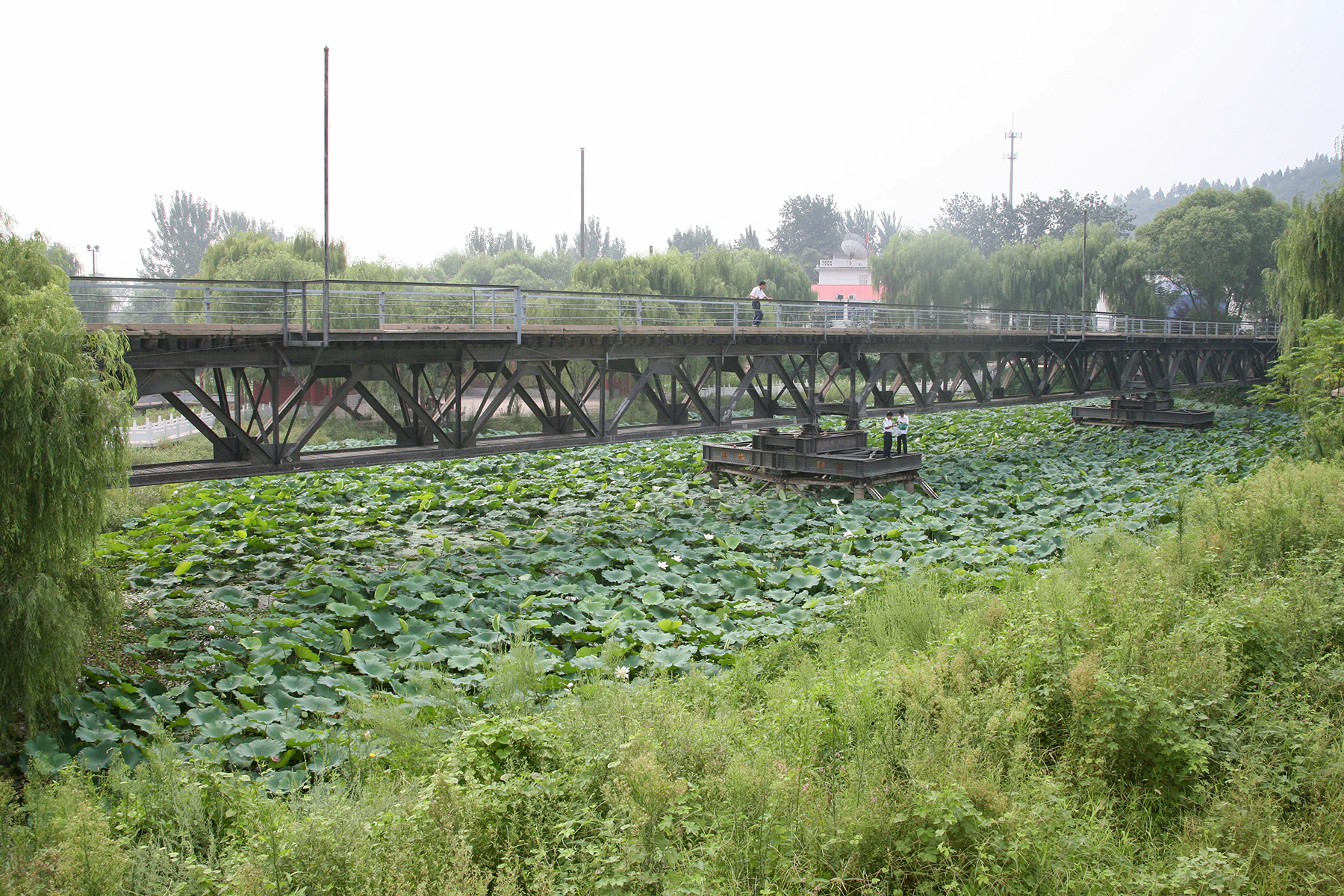
A more somber dimension of the site's cultural memory is preserved at the Baoguo Pavilion, erected in 1990 to commemorate Nationalist soldiers of the 38th Army who died fighting Japanese forces. The surviving piers of the original Peking-Hankou railway bridge beneath Yueshan Temple also serve as a reminder of early Republican-era engineering and wartime damage along the Yellow River, embedding modern Chinese history within the scenic landscape.
Top sights and standout views in Zhengzhou Yellow River Scenic Area
Key highlights of the Zhengzhou Yellow River Scenic Area include the towering Yan and Huang Emperors stone sculpture overlooking the hills, the symbolic Yan-Huang Ding bronze cauldron, the serene marble Yellow River Mother statue at Wulong Peak, and the commanding Great Yu statue atop Camel Ridge. Visitors also come for panoramic Yellow River views from Yueshan Temple and Xiaodingshan, the historic remains of the first railway bridge across the Yellow River, and the layered cultural symbolism that connects the site to both ancient myth and twentieth-century Chinese history.
Best time to visit Zhengzhou Yellow River Scenic Area
Spring and autumn are generally the most rewarding seasons to experience the Yellow River scenery at this site, when mild temperatures make long walks along the ridges and riverbank viewpoints comfortable and when the greenery of the reclaimed Mang Mountain hillsides is most visible. Summer can be hot and hazy along the river plain, while winter brings colder winds off the open Yellow River basin, reducing the appeal of the exposed viewing platforms. Visitors interested in the cultural events and ceremonies associated with the Yan-Huang sculpture will find the broader spring and early autumn windows particularly favorable.