Nature reserveGozoMarine

Comino
Island ecology and coastal landscape mapping
Comino, in Gozo, Malta. Landscapes: cliffs, coasts, and beaches.
3.5 km²MediterraneanModerate accessMajor water bodies

Browse mapped protected landscapes and natural areas across Malta's islands and regional geography.
Browse profiles of parks and protected areas in Malta, including Comino and Filfla.
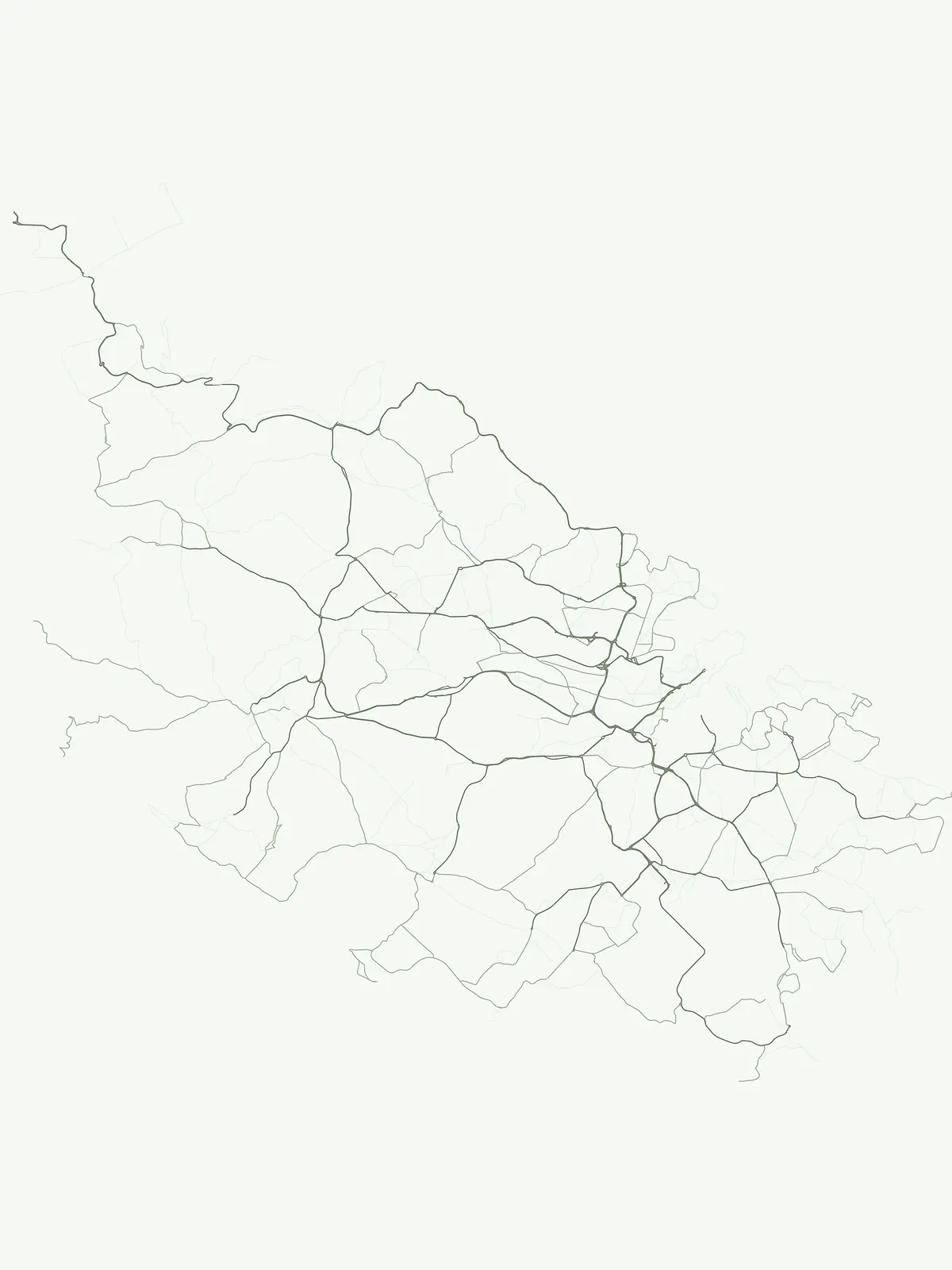
Explore the geographic spread of Malta's conservation landscapes, nature reserves, and marine protected areas.
Discover all of Malta's national parks, protected areas, and nature reserves, providing a comprehensive view of conservation landscapes across the island nation. Delve into the mapped terrain and regional context for each site, revealing how these vital spaces contribute to the ecological profile of the Maltese archipelago.
Explore the geographic spread of Malta's conservation landscapes, nature reserves, and marine protected areas.
Discover all of Malta's national parks, protected areas, and nature reserves, providing a comprehensive view of conservation landscapes across the island nation. Delve into the mapped terrain and regional context for each site, revealing how these vital spaces contribute to the ecological profile of the Maltese archipelago.
Showing 1 to 12 of 12 parks
Island ecology and coastal landscape mapping
Comino, in Gozo, Malta. Landscapes: cliffs, coasts, and beaches.
Tracing the limestone cliffs and seabird sanctuary of the Maltese archipelago
Filfla is a small, uninhabited limestone islet lying 4.5 kilometres south of the main island of Malta. Defined by its 60-metre sea cliffs and flat plateau, this protected nature reserve functions as a crucial Important Bird Area and a landmark for regional Mediterranean biodiversity. Examine the mapped boundaries and geological profile of this site to understand its status as the southernmost extremity of the Maltese archipelago.
Geographic landmark and protected coastal terrain
Fungus Rock represents a critical protected landscape at the entrance to Dwejra bay, offering a unique look at Mediterranean limestone geology. Known for its vertical cliff faces and historical botanical significance, this nature reserve remains a defining feature of the Gozitan coastline and the surrounding marine environment.
Geological and prehistoric landscape context in southeastern Malta
Għar Dalam is a protected natural monument in Malta that preserves a complex phreatic cave passage and essential fossil records of extinct dwarf species. This cave site acts as a major cornerstone for understanding the prehistoric Mediterranean, documenting the arrival of early Neolithic cultures and the long-term evolution of island-bound animal life through stratified sediment analysis.
Uninhabited Mediterranean island and heritage landmark
St Paul's Island represents a unique Mediterranean limestone islet featuring maritime garigue habitat and historic ruins. Located near the Mellieħa coastline, this protected area provides a compact example of Maltese coastal geography, defined by exposed cliffs and an enduring connection to local maritime history.
A rare sheltered woodland valley in the central Mediterranean
Buskett Gardens serves as a critical protected woodland in the heart of the Maltese islands. Nestled in the fertile Wied il-Luq valley, the site offers an unusually green, shaded environment of broadleaved trees and conifers. This reserve functions as an Important Bird Area and a historic cultural landscape, providing a lush contrast to the exposed limestone plateau of rural Malta.
Coastal terrain, red-sand geology, and Mediterranean rural landscapes.
Ramla Bay represents a significant protected coastal pocket on the island of Gozo. Beyond its well-known red-sand beach, the area encompasses a wider valley landscape defined by limestone headlands and agricultural plateaus. Use this mapped overview to understand the interaction between the Mediterranean coastline and the rugged rural hinterland of the Maltese islands.
Coastal cliffs and protected marine zones in north western Malta.
Ras ir-Raħeb serves as a pivotal marine protected area along the Malta coastline, where high limestone cliffs meet complex underwater habitats. This site links historical archaeological remnants with modern ecological conservation, offering a unique geographic snapshot of the Rabat plateau edge. Its mapped boundaries encompass both the terrestrial promontory and the essential seagrass meadows beneath the surface, providing a critical reference point for Mediterranean coastal geography and protected land status.
Mapped Gardens, Event Venues, and Recreational Zones
Ta' Qali National Park serves as a vital green lung in central Malta, showcasing a landscape transformed from a wartime airfield into a modern urban protected area. This national park is recognized for its extensive recreational zones, meticulously designed formal gardens, and a prominent open-air concert venue that hosts major cultural events. Its relatively flat terrain and planned infrastructure offer a distinct map-based perspective on urban parkland, highlighting its significance as a major public amenity and a key feature of Malta's landscape.
A compact peninsula of protected cliffs and historic archaeological sites
Xrobb l-Għaġin Nature Park spans a low-lying coastal peninsula near Marsaxlokk, combining rocky Mediterranean shoreline with significant prehistoric temple remains. This protected area serves as a focal point for environmental education and coastal terrain analysis, showcasing the integration of natural heritage and historical coastal defense within a compact geographic boundary.
Essential salt marsh habitat in Malta's South Eastern Region
Il-Ballut ta' Marsaxlokk serves as a critical protected area, preserving a rare salt marsh landscape within the coastal environment of Malta. This reserve features a compact mosaic of muddy canals, halophytic vegetation, and Mediterranean coastal terrain. Its inclusion in the Natura 2000 network highlights its regional importance as a refuge for migratory birds and a focal point for environmental conservation in the South Eastern Region.
Geographic landscape and protected area documentation
Il-Maqluba represents a major geological collapse depression in southern Malta. This nature reserve protects a circular bowl-shaped terrain of sedimentary rock, serving as a sanctuary for endemic flora like the sandarac gum tree and nesting blue rock thrushes. Its status as a protected area underscores the importance of this rare karst landscape in the Mediterranean environment.
Compare Malta's protected landscapes with adjacent Mediterranean regions and a wider global park atlas

Parks and protected areas in United States of America, including Grand Canyon and Yellowstone.

Parks and protected areas in The Bahamas, including Exuma Cays and Union Creek Reserve.

Parks and protected areas in Lebanon, including Kadisha Valley and Al Shouf Cedar Reserve.

Parks and protected areas in Georgia, including Kolkheti and BKNP.

Parks and protected areas in Haiti, including National History Park and PNH-CSSR.

Parks and protected areas in Palestine, including Wadi Gaza and Wadi al-Quff.

Parks and protected areas in Greenland, including Northeast Greenland.
Parks and protected areas in Pitcairn Islands, including Henderson Island.
Protected area types
To deepen your understanding of Malta's natural heritage, continue exploring the specific classification categories represented within the country. This journey through its designation system reveals the geographic distribution and landscape context of its protected areas, offering clear pathways into more detailed atlas information for each type. Understand how Malta organizes its conservation efforts through these distinct park classifications.
Narrow your search for parks in Malta by environmental characteristics.