
Mori Atlas logo
National parkArenal Volcano National Park

Discover the geographic boundaries and regional terrain of this Costa Rican protected area.

Arenal Volcano National Park: Costa Rica National Park, Mapped Protected Landscape

Arenal Volcano National Park represents a significant protected landscape within Costa Rica's national park system. This atlas-focused page details the park's geographic placement and mapped protected boundaries, offering a clear view of its terrain and regional context. It is designed for users seeking structured information about this specific natural area and its place within the broader geography of Costa Rica.

Volcanic landscapeCloud forestBirdwatchingActive volcanoStratovolcanoTropical rainforest

Arenal Volcano National Park

National park

Park overview

Structured park overview, official facts, and landscape profile for Arenal Volcano National Park

Arenal Volcano National Park park facts, protected area profile, and essential visitor context
Review the core facts for Arenal Volcano National Park, including designation, size, terrain, visitor scale, habitats, and operating context in one park-focused overview.

About Arenal Volcano National Park

Arenal Volcano National Park represents one of Costa Rica's most significant protected areas, established to preserve the extraordinary volcanic landscape and ecological diversity centered on the nation's most active volcano. The park sits within the Arenal Huetar Norte Conservation Area, a network of protected lands that spans the region between the Guanacaste and Tilarán mountain ranges, protecting a transitional zone where Caribbean and Pacific influences create remarkable biodiversity. The defining feature of the park is undoubtedly Arenal Volcano, a 1,657-meter stratovolcano that dominated the region's skyline for decades with its near-continuous activity, producing regular eruptions of ash, lava flows, and explosive events that dramatically altered the surrounding terrain. The park also contains Cerro Chato, an older volcanic structure that has remained dormant for approximately 3,500 years and features a crater lake that provides a stark contrast to the active slopes of its younger neighbor. Beyond the volcanic features, the park encompasses diverse habitats ranging from cloud forest to lower elevation tropical rainforest, supporting populations of white-faced capuchin monkeys, jaguars, deer, coatis, and numerous reptile and amphibian species. The management of the park falls under Costa Rica's National System of Conservation Areas (SINAC), which coordinates protection efforts with the surrounding landscape to maintain ecological corridors that allow wildlife to move between protected areas.

Quick facts and research context for Arenal Volcano National Park

Arenal Volcano National Park is located in north-central Costa Rica within the Arenal Huetar Norte Conservation Area, accessible from the town of La Fortuna. The park encompasses Arenal Volcano, the country's most active volcanic peak which erupted dramatically in 1968 after decades of assumed dormancy, as well as the older Cerro Chato volcano with its distinctive crater lagoon. The protected area spans 121.24 square kilometers and protects eight of Costa Rica's twelve life zones along with sixteen connected reserves in the region between the Guanacaste and Tilarán mountain ranges. The park is managed by SINAC (National System of Conservation Areas) and forms part of a larger ecological corridor that includes Lake Arenal, the nation's largest hydroelectric reservoir.

Park context

Deeper park guide and search-rich context for Arenal Volcano National Park

Arenal Volcano National Park history, landscape, wildlife, and travel context
Explore Arenal Volcano National Park through its history, landscape character, ecosystems, wildlife, conservation priorities, cultural context, and seasonal travel timing in a structured park guide built for atlas discovery and search intent.

Why Arenal Volcano National Park stands out

Arenal Volcano National Park is best known for its dramatic volcanic landscape centered on Arenal Volcano, a near-perfect conical peak that was continuously active from 1968 until recently, offering visitors the rare opportunity to witness volcanic activity in a relatively safe and accessible setting. The park is also famous for its exceptional biodiversity, hosting more than 850 bird species within its boundaries including the elusive resplendent quetzal, one of Costa Rica's most treasured avian species. The presence of Cerro Chato, an ancient volcanic counterpart with a pristine crater lake, adds additional geological interest to the park's landscape. The combination of active volcanism, cloud forest ecosystems, and the proximity to Lake Arenal creates a uniquely complete nature tourism experience that has made this area the heart of Costa Rica's adventure and ecotourism industry.

Arenal Volcano National Park history and protected-area timeline

Arenal Volcano National Park was established in 1991, formalizing protection for a landscape that had captured national attention following the dramatic reactivation of Arenal Volcano in 1968. Prior to that year, the volcano had been considered dormant, and the surrounding area had been used for agriculture and cattle ranching. The 1968 eruption, which included explosive activity and significant lava flows, destroyed nearby farms and fundamentally changed how local communities and the Costa Rican government viewed the volcanic landscape. Following the eruption, scientists began studying the volcano intensively, and the area gradually became a destination for volcano watchers and naturalists. The establishment of the national park reflected a broader movement in Costa Rica during the 1980s and 1990s to protect key ecological areas and develop a national park system that would support both conservation and sustainable tourism. The park's creation also acknowledged the importance of the Arenal region within the larger conservation area network, connecting the volcanic slopes to Lake Arenal and the surrounding mountainous terrain. Within the park boundaries, a Museum of Volcanicity was established to educate visitors about volcanic processes and the geological history of the region.

Arenal Volcano National Park landscape and geographic character

The landscape of Arenal Volcano National Park is defined by the dramatic contrast between the potentially volatile slopes of Arenal Volcano and the older, more settled terrain of Cerro Chato. Arenal presents a classic stratovolcano profile, its symmetrical cone rising from the surrounding terrain to elevations around 1,657 meters, with slopes that show the marks of recent lava flows and volcanic debris. The volcano's western flank descends toward Lake Arenal, the largest lake in Costa Rica and a central feature of the region's geography and economy. Cerro Chato, located to the northeast of Arenal, represents the remnants of an earlier volcanic system whose crater now holds a lagoon formed from accumulated rainfall and groundwater. The park encompasses varying elevations that support different vegetation communities, from the cloud forest zones on the upper slopes to the transitional forests at lower elevations. Rushing streams descend from the volcanic heights, cutting through the forest and creating waterfalls that add to the scenic diversity. The terrain throughout the park shows the influence of volcanic activity, with areas of rocky debris, younger lava formations, and more vegetated zones where plant life has had time to establish following past eruptions.

Arenal Volcano National Park ecosystems, habitats, and plant life

The ecological diversity within Arenal Volcano National Park is remarkable, with the park protecting eight of Costa Rica's twelve identified life zones within its boundaries. This extraordinary concentration of different habitats results from the combination of elevation range, volcanic soils, moisture patterns created by the mountain's influence on wind and precipitation, and the transitional position of the area between different biogeographic regions. The park's cloud forests are characterized by constant moisture, epiphytic growth on trees, and a dense understory of ferns and herbaceous plants. At lower elevations, the forest transitions to tropical wet forest with larger trees, more diverse canopy species, and different animal communities. The volcanic geology contributes to soil conditions that support lush plant growth, while the nearby Lake Arenal creates additional habitat diversity and supports aquatic and waterside species. Plant collections documented within the park include numerous orchid species, heliconias, diverse ferns, laurel trees, bromeliads, and the distinctive strangler fig that begins life as an epiphyte before sending roots down to the ground.

Arenal Volcano National Park wildlife and species highlights

Arenal Volcano National Park supports exceptional wildlife diversity, with the park's boundaries containing representatives of most of Costa Rica's 850 documented bird species. The avian highlight of the park is the resplendent quetzal, a bird of extraordinary beauty that is considered one of the most sought-after species by birdwatchers visiting Costa Rica. The quetzal inhabits the cloud forest zones, feeding on fruits and small organisms while breeding in cavities in large trees. Mammalian residents include white-faced capuchin monkeys, which are commonly observed in the forest canopy, as well as larger species like jaguars and deer that occupy more extensive territories and are more rarely seen. Coatis, relatives of raccoons, are frequently encountered as they forage through the understory, while various smaller mammals occupy the diverse habitats. The reptile and amphibian communities include species like the fer-de-lance snake and the parrot snake, which occupy different ecological niches within the forest. The diversity of habitats, from forest floor to canopy, supports this rich animal community, while the presence of water sources in both the crater lake and flowing streams provides additional resources for wildlife.

Arenal Volcano National Park conservation status and protection priorities

Arenal Volcano National Park plays a crucial role in Costa Rica's conservation framework, protecting a landscape of extraordinary geological and ecological significance within the larger Arenal Huetar Norte Conservation Area. The park's eight life zones represent a significant portion of the country's biological diversity, with protections extending to both the volcanic terrain and the forest ecosystems that cover the mountain slopes. The creation of the national park acknowledged that the Arenal region required formal protection not only for its natural values but also for its importance as a living laboratory for understanding volcanic processes and ecological succession following volcanic disturbance. The park exists within a network of sixteen connected reserves that together form a conservation landscape spanning from the Guanacaste range to the Tilarán mountains, allowing wildlife populations to move through connected habitats rather than becoming isolated in small protected fragments. Costa Rica's approach to managing these conservation areas recognizes that protection works best when it considers the entire ecological landscape, including the human communities that live in and around protected areas.

Arenal Volcano National Park cultural meaning and human context

The region surrounding Arenal Volcano has cultural significance for Costa Rica, though the national park itself was established primarily for natural protection rather than preservation of cultural heritage. The area is accessed primarily through the town of La Fortuna, which has grown alongside the development of ecotourism in the region and now serves as a hub for visitors exploring the park and surrounding attractions. The communities in this part of Costa Rica have adapted to living in the shadow of an active volcano, with many hotels and lodges incorporating the volcanic landscape into their appeal while also offering access to natural hot springs heated by geothermal processes. Lake Arenal holds additional significance as the site of the country's largest hydroelectric project, demonstrating how the natural landscape has been integrated into national development while still maintaining protected areas. The broader Guanacaste and Tilarán region has historical connections to indigenous groups, though the specific cultural history of the park area is less prominently documented in available sources.

Top sights and standout views in Arenal Volcano National Park

The Arenal Volcano area offers visitors multiple compelling experiences within and beyond the national park boundaries, from witnessing volcanic activity to exploring cloud forest trails and relaxing in natural hot springs. Hiking trails within the park provide access to volcanic viewpoints where the landscape's geological character is most apparent, with opportunities to observe how plant life is gradually reclaiming areas affected by past eruptions. Birdwatchers find exceptional value in the park's bird diversity, with the chance to observe resplendent quetzals representing a particular highlight for enthusiasts. The contrasting experience of visiting Cerro Chato's crater lake offers a more tranquil setting, with the ancient volcanic structure providing a different perspective on the park's volcanic heritage. The views across Lake Arenal from the park's higher points rank among the most scenic in Costa Rica, with the lake's expanse adding to the visual impact of the volcanic landscape.

Best time to visit Arenal Volcano National Park

The Arenal Volcano region can be visited throughout the year, though the dry season from December through April generally offers more reliable conditions for outdoor exploration and wildlife viewing. During these months, rainfall is reduced and trails are typically in better condition, while visibility for photography and scenic viewing tends to be clearer. The wet season from May through November brings more frequent rainfall to the region, which maintains the lush character of the forest and creates dramatic waterfalls, though afternoon thunderstorms are common. The mountain's influence on local weather patterns means that the higher elevations within the park can experience fog and cloud cover even during generally sunny periods. Visitors interested in volcano activity should be aware that eruptions are unpredictable and the volcano's activity level has varied over time, so checking current conditions before visiting is advisable. Regardless of season, the combination of volcanic landscape, biodiversity, and the range of available activities makes Arenal a year-round destination.
Park location guide

Geography guide, regional context, and park location map for Arenal Volcano National Park

Arenal Volcano National Park park geography, regions, and map view in Costa Rica
Understand where Arenal Volcano National Park sits in Costa Rica through a broader geographic reading of the surrounding landscape, nearby location context, and its mapped position within the national park landscape.

How Arenal Volcano National Park fits into Costa Rica

Costa Rica is a Central American country with coastlines on both the Caribbean Sea and Pacific Ocean. It gained independence from Spain in 1821 and operates as a unitary presidential republic with no standing military. The economy has diversified from agriculture into finance, pharmaceuticals, and ecotourism.

Wider geography shaping Arenal Volcano National Park in Costa Rica

Costa Rica is located in Central America, bordered by Nicaragua to the north, the Caribbean Sea to the northeast, Panama to the southeast, and the Pacific Ocean to the southwest. It shares a maritime boundary with Ecuador. The terrain includes coastal plains, mountain ranges, and volcanic landscapes.

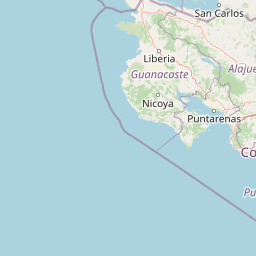
Map view of Arenal Volcano National Park

Use this park location map to pinpoint Arenal Volcano National Park in Costa Rica, understand its exact geographic position, and read its mapped placement within the surrounding landscape more clearly.

Pigeon | © OpenStreetMap contributors

Location context for Arenal Volcano National Park

Alajuela Province
Park atlas

Discover the surrounding regional park geography, comparing volcanic protected landscapes and diverse ecosystems.

Explore National Parks and Protected Areas Near Arenal Volcano National Park, Costa Rica
After exploring Arenal Volcano National Park, continue your atlas discovery by browsing other protected areas within Costa Rica's central volcanic region. Compare the diverse ecosystems, trace how unique conservation landscapes are connected, and map their geographical spread across the wider Central American terrain.
National parkAlajuela Province

Juan Castro Blanco National Park: National Park Boundaries and Alajuela Province Geography

Explore the protected landscape within north-central Costa Rica.

Juan Castro Blanco National Park offers a distinct protected landscape for geographic study within Alajuela Province. This national park serves as a key entity for exploring mapped boundaries, understanding local terrain, and situating its protected area within the broader atlas of Costa Rica. Delve into the specific geographic context and natural landscape features that define this important park.

Area
145 km²
Established
1992
IUCN
II
Relief
Mountain
National parkCosta Rica

Miravalles Jorge Manuel Dengo National Park: Costa Rica National Park Geographic Context

Mapped protected landscape and regional park geography.

Miravalles Jorge Manuel Dengo National Park offers a focused lens for understanding protected natural areas within Costa Rica. Explore its specific geographic footprint and the surrounding regional context to appreciate its significance as a mapped protected landscape. This detailed view supports a structured discovery of the park's identity, helping users grasp its place within the national atlas.

Area
43 km²
Established
2019
IUCN
II
Relief
Mountain
National parkAlajuela Province

Poás Volcano National Park: National Park Protected Landscape in Alajuela Province

Mapped park boundaries and regional terrain context.

Poás Volcano National Park represents a vital protected landscape within Costa Rica's Alajuela Province. This detail page offers an atlas-centric view, emphasizing the park's geographic identity, its specific mapped boundaries, and its significance as a national park. Explore the natural terrain and understand the regional context of this protected area, ideal for geographic discovery and landscape exploration.

Area
65 km²
Established
1971
IUCN
II
Relief
Mountain
National parkCosta Rica

Palo Verde National Park: Costa Rica's Protected Landscape Geography and Map Context

Explore mapped park boundaries and regional natural landscapes.

Delve into the geographic identity of Palo Verde National Park, a protected area within Costa Rica. This detail entry focuses on its mapped landscape, providing context for its protected boundaries and regional setting. Understand how Palo Verde National Park fits into the broader atlas of Costa Rican geography, offering a factual basis for exploring its specific natural terrain and its significance as a national park within Central America's rich biodiversity.

Area
184 km²
Established
1978
IUCN
II
Relief
Lowland
National parkGuanacaste Province

Rincón de la Vieja National Park: Costa Rican National Park Atlas Entry

Mapped protected landscape and regional geography.

Gain a structured understanding of Rincón de la Vieja National Park as a key protected area within Guanacaste Province. This detail page offers an atlas-focused perspective, highlighting its mapped boundaries and regional geographic significance. Explore how this national park contributes to the protected landscapes of Costa Rica, providing essential context for geographic discovery.

Area
141.61 km²
Established
1973
IUCN
II
Climate
Tropical
National parkCosta Rica

Barra Honda National Park: Costa Rican Protected Landscape and Geographic Atlas

Mapped boundaries and regional park geography.

Barra Honda National Park stands as a notable protected area, offering a distinct geographic profile within Costa Rica. Its designation as a national park underscores its importance for landscape conservation and atlas exploration. This entry details the park's mapped terrain and its contribution to understanding the regional geography, providing a focused view for those interested in protected land distribution and natural context.

Area
23 km²
Established
1974
IUCN
II
Relief
Mountain
National parkCosta Rica

Carara National Park: Protected Landscape Geography in Costa Rica

Explore the mapped terrain and park boundaries.

Carara National Park offers a focused exploration of protected landscape geography within Costa Rica. As a National Park, its mapped boundaries are integral to understanding its role in the country's natural atlas. This detail page provides specific geographic context and details relevant to atlas-based discovery, highlighting the park's unique position and protected-area identity for users interested in detailed mapping and regional natural context.

Area
52 km²
Established
1978
IUCN
II
Relief
Mixed relief
National parkHeredia Province

Braulio Carrillo National Park: Costa Rica's Protected Landscape in Heredia Province

National Park Boundaries and Regional Geography Exploration

Braulio Carrillo National Park represents a vital protected area, offering deep insights into its geographic setting within Heredia Province. This entry provides a focused view on the park's mapped boundaries and its identity as a national park, contributing essential data for regional geography and landscape atlas exploration. Understand the character of its protected terrain and its place within the broader mapped context.

Area
475.8 km²
Established
1978
IUCN
II
Relief
Mountain

Common questions about visiting, size, designation, and location context for Arenal Volcano National Park

Arenal Volcano National Park FAQs for park facts, access, geography, and protected area context
Find quick answers about Arenal Volcano National Park, including protected-area facts, park geography, trail and visitor context, and how the park fits into its surrounding country and regional landscape.
MoriAtlas Explorer

Continue Your Protected Areas Search Across the Global Atlas

Deepen your exploration by continuing the structured search for national parks and protected areas worldwide. Utilize the comprehensive filtering capabilities to compare different conservation landscapes and refine your understanding of global park geography. Discover more about the distribution and characteristics of protected natural areas.

Global natural geography