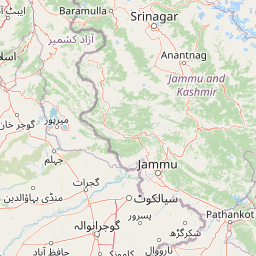
Why Bajwat Wildlife Sanctuary stands out
Bajwat is known for being one of Pakistan's most important lowland riverine protected areas. It combines Chenab floodplain habitat with tributary wetlands, creating conditions that support more than 100 recorded bird species. The reserve is especially noted for its waterfowl, wading birds, and a landscape shaped by seasonal flooding and grazing by hog deer and nilgai.
Bajwat Wildlife Sanctuary history and protected-area timeline
The protected status of Bajwat reflects the broader development of wildlife conservation in Pakistan, where former hunting reserves and forest estates were progressively brought under the national park and wildlife sanctuary framework. The sanctuary derives its protected character from long-standing forest and game reserve administration in the Sialkot region. Establishment of formal sanctuary status consolidated protection for the Chenab frontage and the associated riparian habitats, helping to shield the area from continuing pressure from agriculture, grazing, and settlement expansion in this densely inhabited borderland.
Bajwat Wildlife Sanctuary landscape and geographic character
The sanctuary sits in the flat alluvial landscape of the upper Punjab plains, where topography is shaped almost entirely by rivers. The Chenab and its two tributaries flowing through or beside the reserve create a braided pattern of channels, cut banks, silt bars, and shallow pools. Annual and seasonal fluctuations in river level produce a constantly reshaped mosaic of exposed mud, sand, and gravel; flooded margins; reed-choked backwaters; and slightly higher ground where flood-tolerant trees and shrubs persist.
Away from the active channels, the terrain shifts to a mosaic of natural grasslands, scrub, and riverine woodland. Tree growth along the banks and on islands takes the form of open gallery forests, while flatter areas support taller grass and scattered acacia-like vegetation characteristic of the Punjab floodplain. This gentle but varied terrain, combined with the constant interplay between water and land, produces the conditions that define Bajwat's visual identity.
Bajwat Wildlife Sanctuary ecosystems, habitats, and plant life
Ecologically, Bajwat is best understood as a lowland freshwater riverine system. The habitats present include open stretches of river, slow-moving tributary channels, seasonal floodplain pools, reedbeds and marshes, and the natural grasslands and scrub of higher ground. These habitats are maintained by the natural disturbance regime of the Chenab, whose seasonal floods and shifting channels periodically renew the wetland system.
The vegetation reflects this dynamic: riverbanks and islands carry open woodland, while the floodplain supports grasses and hardy shrubs. The mix of wet and dry environments, combined with variations in soil moisture from flooding, creates habitat heterogeneity at a very local scale. Because the reserve lies along a major river corridor, it also functions as an ecological link in a wider flyway for migratory waterbirds moving between Central Asia and the Indian subcontinent.
Bajwat Wildlife Sanctuary wildlife and species highlights
The sanctuary's birdlife is its most strongly documented feature. Approximately 110 species have been recorded, including a strong resident community of egrets, herons, doves, parakeets, kingfishers, bee-eaters, bulbuls, drongos, mynas, and crows. Wagtails of the Motacillidae family are the most commonly encountered group, reflecting the importance of muddy river margins and exposed sediment for feeding.
Seasonal change significantly alters the bird list. Winter brings an influx of waterfowl and waders, including mallard, Eurasian teal, common pochard, northern pintail, ferruginous duck, bar-headed goose, and ruddy shelduck, alongside waders such as northern lapwing, common snipe, black-winged stilt, and curlew. Summer adds cuckoos, orioles, bee-eaters, and various warbler-like species that breed in the region. Raptors including black kite, white-rumped vulture, Indian vulture, shikra, and western marsh harrier are recorded throughout the year or seasonally, depending on food availability.
Among mammals, the sanctuary supports a population of hog deer, a species of open floodplain grassland and reedbed that has retreated from much of the surrounding cultivated land. Nilgai, Asia's largest antelope, also occurs in the reserve, grazing the grasslands and edges. Both species contribute to the open character of the habitat by preventing the encroachment of taller vegetation.
Bajwat Wildlife Sanctuary conservation status and protection priorities
Bajwat's principal conservation significance lies in its protection of natural riverine habitat in an otherwise intensively developed stretch of the Punjab. The sanctuary preserves a functioning segment of the Chenab floodplain, including the riparian vegetation, seasonal wetlands, and gallery forests that would otherwise be progressively converted to agriculture and settlement. Within Pakistan, formally protected lowland freshwater floodplain sites of this type are relatively uncommon, which gives the reserve additional regional value.
The site also matters for the broader conservation of migratory and resident waterbirds. By maintaining a mosaic of open water, marshland, and grassy habitat close to the international border, the sanctuary provides a key node in a network of wetlands used by both resident species and winter visitors along the Central Asian flyway. Its protected status helps buffer populations of vulnerable species such as the white-rumped vulture and Indian vulture against habitat loss elsewhere.
Bajwat Wildlife Sanctuary cultural meaning and human context
Bajwat lies within the wider cultural geography of the Sialkot region, an area historically tied to agriculture, trade at the edge of the Punjab plains, and the rhythms of the rivers that cross it. The Chenab in particular carries a strong identity for surrounding communities, even as much of the original riparian vegetation along its course has been lost to development. The presence of a formally protected reserve so close to the international border reflects both Pakistan's national conservation framework and the local recognition that some stretches of river habitat need active safeguarding to survive.
Top sights and standout views in Bajwat Wildlife Sanctuary
Bajwat's principal distinction is its position as a protected fragment of the Chenab floodplain, where natural river dynamics, riparian vegetation, and associated wildlife persist together. The sanctuary's combination of around 110 recorded bird species, a notable presence of hog deer and nilgai, and a setting along one of the Punjab's major rivers gives it a compact but vivid ecological profile. Wagtails, ducks, herons, and kingfishers provide year-round and seasonal viewing interest, while the changing floodplain itself ensures that no two visits are quite the same.
Best time to visit Bajwat Wildlife Sanctuary
Avian character at Bajwat shifts strongly with the seasons, and this shapes the most rewarding periods for a visit. Winter, roughly from November through February, is associated with the largest gatherings of waterfowl and waders as Himalayan and Central Asian birds move onto the rivers and floodplain. Spring and summer bring breeding residents and summer migrants such as cuckoos, orioles, and bee-eaters, while monsoon-influenced months add a sense of lushness to the vegetation and surface water across the floodplain. Year-round residents, including wagtails, kingfishers, raptors, and a range of smaller woodland birds, ensure that there is always active birdlife to observe.