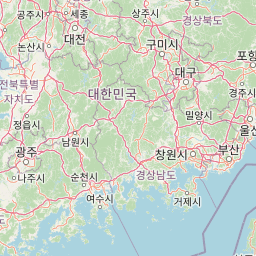
Why Byeonsan-bando National Park stands out
Byeonsan-bando National Park is most notably recognized as South Korea's unique peninsula-based protected area, where mountainous landscapes transition directly into coastal and marine environments. The park's defining characteristic is this seamless integration of mountain and sea, offering visitors the experience of traversing forested peaks while being within sight and sound of the ocean. The contrast between the rocky, forested slopes of Naebyeonsan and the coastal cliffs, beaches, and islands of Oebyeonsan creates a scenic diversity uncommon among Korean national parks. This peninsula formation also provides important ecological value, supporting both terrestrial and marine species in a transitional coastal zone.
Byeonsan-bando National Park history and protected-area timeline
Byeonsan-bando National Park was officially designated on June 11, 1988, becoming a protected area of national significance within South Korea's national park framework. The park's establishment reflected growing environmental awareness in South Korea during the 1980s and a governmental commitment to preserving representative examples of the nation's natural landscapes. What makes Byeonsan-bando particularly notable is its selection as the only national park in South Korea organized around a peninsula formation, recognizing the unique scenic and ecological values that emerge when mountain terrain meets the sea along a projecting landform. The decision to protect this peninsula area also acknowledged the biodiversity significance of transitional coastal environments, where terrestrial and marine ecosystems intersect. Management responsibility was assigned to the Korea National Park Service, which continues to oversee the park's protection and visitor services. The park's designation as a Category II protected area under the International Union for Conservation of Nature classification confirms its primary purpose of protecting natural ecosystems while allowing sustainable visitor access.
Byeonsan-bando National Park landscape and geographic character
The landscape of Byeonsan-bando National Park is defined by the interaction between elevated terrain and coastal exposure along a peninsula extending into the Yellow Sea. The park's mountain areas feature slopes covered with mixed forest vegetation, creating a green backdrop visible from the coast. Ridgelines and valleys create topographic variation within the inland portions, offering visitors opportunities for hiking and scenic observation. The coastal landscape is characterized by rocky cliffs, small beaches, and the numerous islands that scatter across the adjacent marine waters. The interface between land and sea produces distinctive features including sea cliffs, coastal bluffs, and sheltered coves along the peninsula's margins. The marine component of the park, encompassing approximately 9 square kilometers of sea area, extends protection to the waters surrounding the peninsula and its outlying islands. This combination of mountain, coastal, and marine landscapes within a single protected area creates a coherent ecological and visual unit that distinguishes Byeonsan-bando from other Korean national parks.
Byeonsan-bando National Park ecosystems, habitats, and plant life
The ecological character of Byeonsan-bando National Park reflects its position at the intersection of terrestrial and marine environments along South Korea's southwestern coast. The park supports significant biodiversity, with 877 vascular plant species documented within its boundaries, reflecting the variety of habitats from coastal zones to forest-covered slopes. The animal community encompasses 996 species, indicating the ecological productivity of this coastal protected area. The transitional nature of the peninsula environment creates conditions suitable for both terrestrial and marine species, with the park protecting habitats that might otherwise face development pressure along this populated coast. Forest ecosystems occupy the inland slopes, while coastal areas support vegetation adapted to salt exposure and marine influence. The marine portion of the park protects water quality and ecological processes in the surrounding seas, contributing to the broader coastal ecosystem health of the region.
Byeonsan-bando National Park wildlife and species highlights
Byeonsan-bando National Park supports a diverse animal community of 996 species, reflecting the ecological productivity of its coastal peninsula setting. The park's combination of forest, coastal, and marine habitats creates environments suitable for a variety of wildlife groups. Birdlife is particularly notable in coastal and island areas, where migratory species utilize the peninsula as a stopping point along East Asian flyways. The marine environment supports fish populations and other sea life that inhabit the protected waters surrounding the peninsula. Forest areas provide habitat for terrestrial species adapted to the deciduous and mixed forest environments of southwestern Korea. The protection afforded by national park status helps maintain wildlife populations in an area where coastal development pressures exist, preserving ecological connectivity between terrestrial and marine food webs.
Byeonsan-bando National Park conservation status and protection priorities
The designation of Byeonsan-bando as a national park reflects its conservation significance within South Korea's protected area network. As the only peninsula-based national park in the country, the park protects a rare landscape type where mountain and coastal environments exist in close integration. The protection of approximately 154.71 square kilometers of terrestrial and marine landscapes preserves important habitats for the park's documented 996 animal species and 877 vascular plant species. The marine component of the park contributes to coastal ecosystem protection, maintaining water quality and ecological processes in the surrounding Yellow Sea waters. The park's management under the Korea National Park Service ensures ongoing protection while providing visitor access in a sustainable manner. This conservation framework addresses the particular vulnerability of coastal environments to development pressures, preserving the peninsula's natural values for current and future generations.
Byeonsan-bando National Park cultural meaning and human context
Byeonsan-bando National Park is situated in Jeollabuk-do Province, a region of South Korea known for its agricultural productivity and coastal communities. The peninsula has historically supported fishing and farming activities that shaped local settlement patterns and cultural traditions. The landscape's natural beauty has been appreciated within Korean cultural traditions, with the peninsula's distinctive profile contributing to regional identity. While the park itself focuses on natural protection, the surrounding areas maintain connections to traditional land and sea use practices. The park's establishment in 1988 came during a period of expanded environmental protection in South Korea, reflecting broader societal recognition of natural landscape values. Visitors to the park today experience both the natural environments and the cultural context of this coastal region.
Top sights and standout views in Byeonsan-bando National Park
The defining highlight of Byeonsan-bando National Park is its unique status as South Korea's only peninsula-based national park, where the rare combination of mountain and marine environments creates a distinctive protected landscape. The park offers visitors the opportunity to experience both forested mountain trails and coastal exploration within a single visit, with the peninsula formation providing dramatic viewpoints where land meets sea. The biological richness of the park, supporting nearly 900 plant species and almost 1,000 animal species, underscores its ecological significance. The marine portion of the park protects the waters surrounding the peninsula and its islands, preserving underwater environments alongside the terrestrial landscape. This integration of multiple landscape types within one protected area makes Byeonsan-bando particularly valuable for both conservation and visitor experience.
Best time to visit Byeonsan-bando National Park
Byeonsan-bando National Park can be visited throughout the year, with each season offering different characteristics for exploration. Spring and autumn typically provide comfortable temperatures for hiking and outdoor activities, with the park's forests displaying seasonal color changes. Summer months bring warmer conditions and increased visitor activity, with the coastal areas offering opportunities to experience the marine environment. Winter visits offer a quieter experience with fewer visitors, though conditions may be cooler for outdoor exploration. The park's coastal location means that weather patterns can include sea breezes and the influence of maritime conditions, which visitors should consider when planning activities. The combination of mountain and coastal environments means that conditions can vary across the park's different areas, allowing for diverse experiences depending on location within the protected area.