
Why Cairngorms National Park stands out
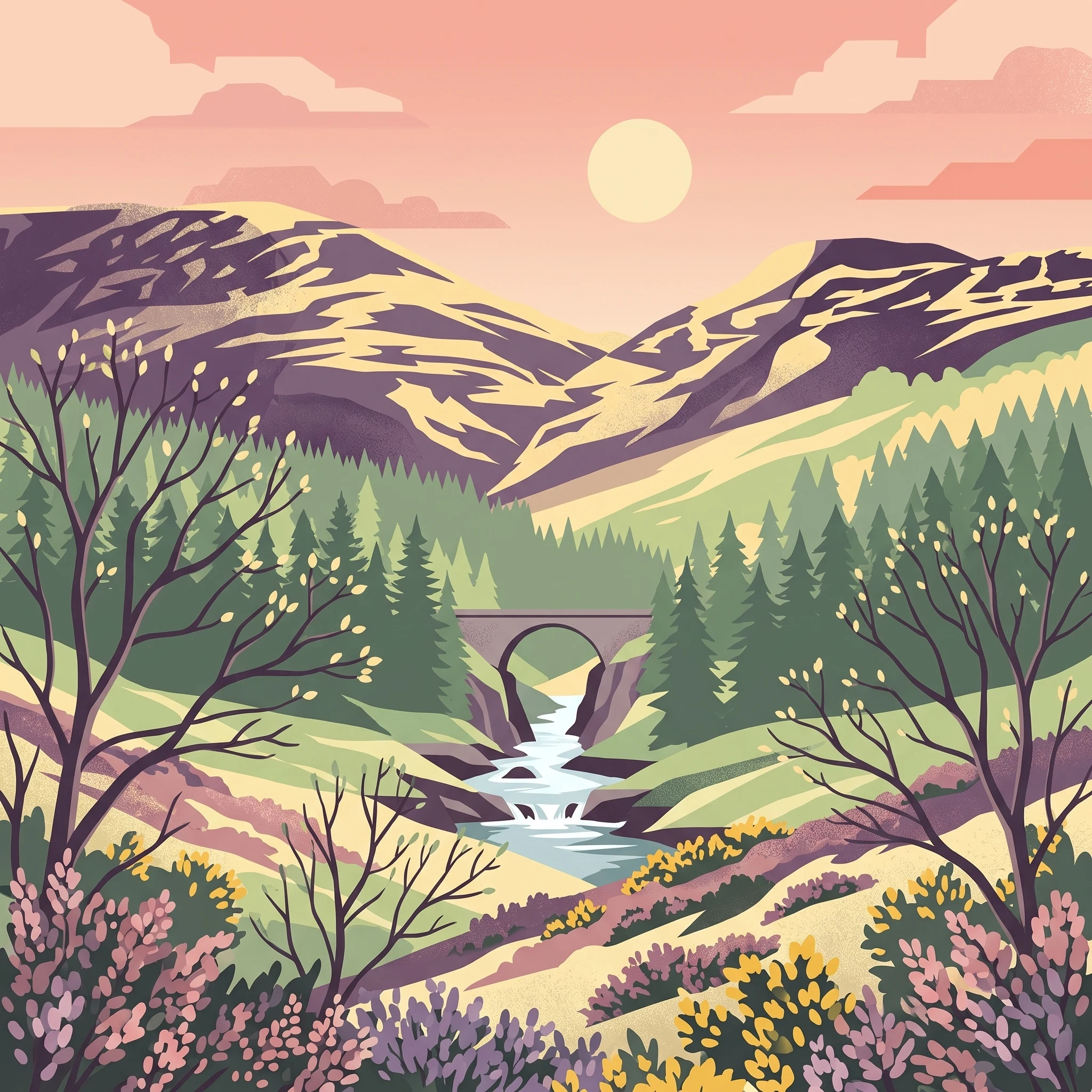
The Cairngorms are renowned for their distinctive arctic-alpine landscape, one of the most northerly mountain environments in Britain with tundra-like characteristics and unique flora and fauna adapted to harsh conditions. The park protects the largest remaining tract of Caledonian pine forest in Scotland, a rare ancient woodland type with species including capercaillie, black grouse, Scottish crossbill, crested tit and parrot crossbill. The area is famous for its reindeer herd, the only one of its kind in the British Isles, introduced in 1952 and now numbering around 150 individuals. The mountains offer excellent conditions for skiing, rock climbing and ice climbing, with three of Scotland's five ski resorts located within the park. The region also contains the greatest concentration of Munros, mountains exceeding 3,000 feet, making it a premier destination for hillwalkers.
Cairngorms National Park history and protected-area timeline
The concept of designating parts of Scotland's wild landscapes as national parks emerged in the early twentieth century. In 1931, a commission headed by Christopher Addison proposed creating a national park in the Cairngorms, alongside proposals for parks in England and Wales. Following the Second World War, ten national parks were established in England and Wales, and a committee was formed to consider Scottish national parks. The 1945 report proposed national parks in five areas, including the Cairngorms, though the government designated these only as "National Park Direction Areas" without full national park status. These were replaced by National Scenic Areas in 1981. In 1990, the Countryside Commission for Scotland recommended that four areas—including the Cairngorms—should become national parks with independent planning boards. No action followed until the establishment of the Scottish Parliament in 1999, which passed the National Parks (Scotland) Act 2000 as one of its first pieces of legislation. The Cairngorms National Park was formally designated in 2003, followed by a successful campaign leading to expansion into Perth and Kinross in 2010, adding Blair Atholl and Spittal of Glenshee to the park. In 2015, a significant power line through the park was removed to enhance the landscape.
Cairngorms National Park landscape and geographic character
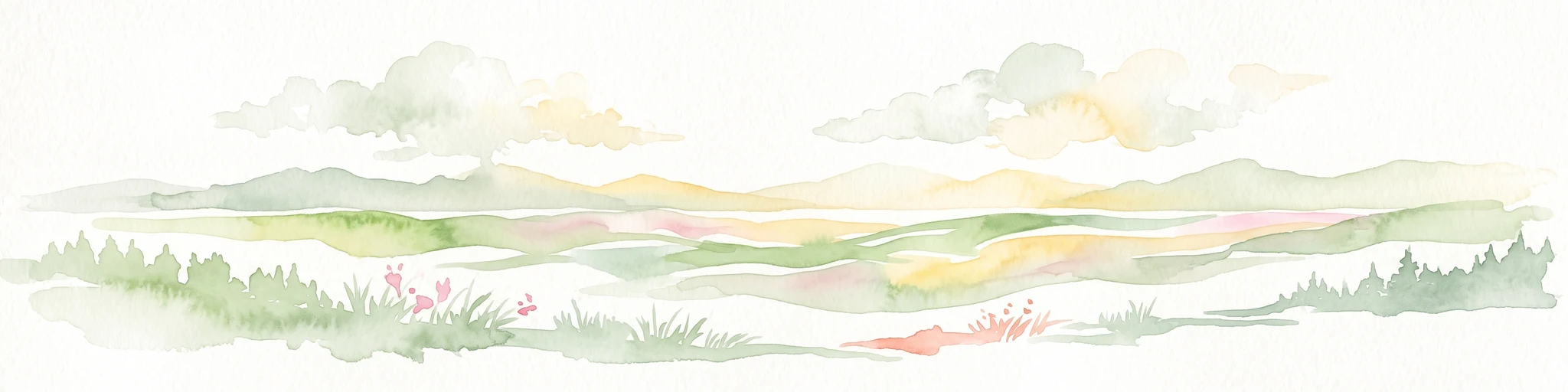
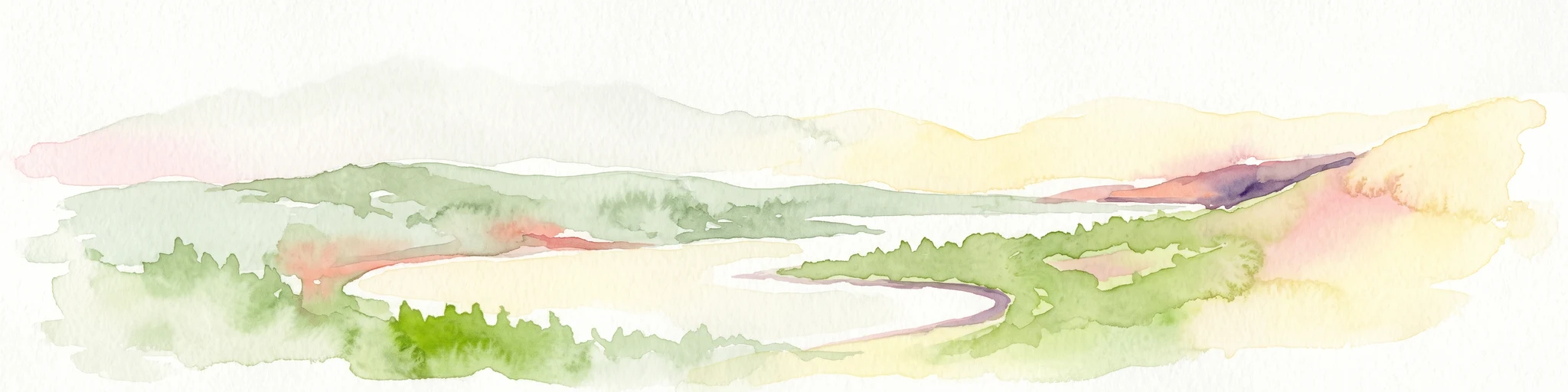
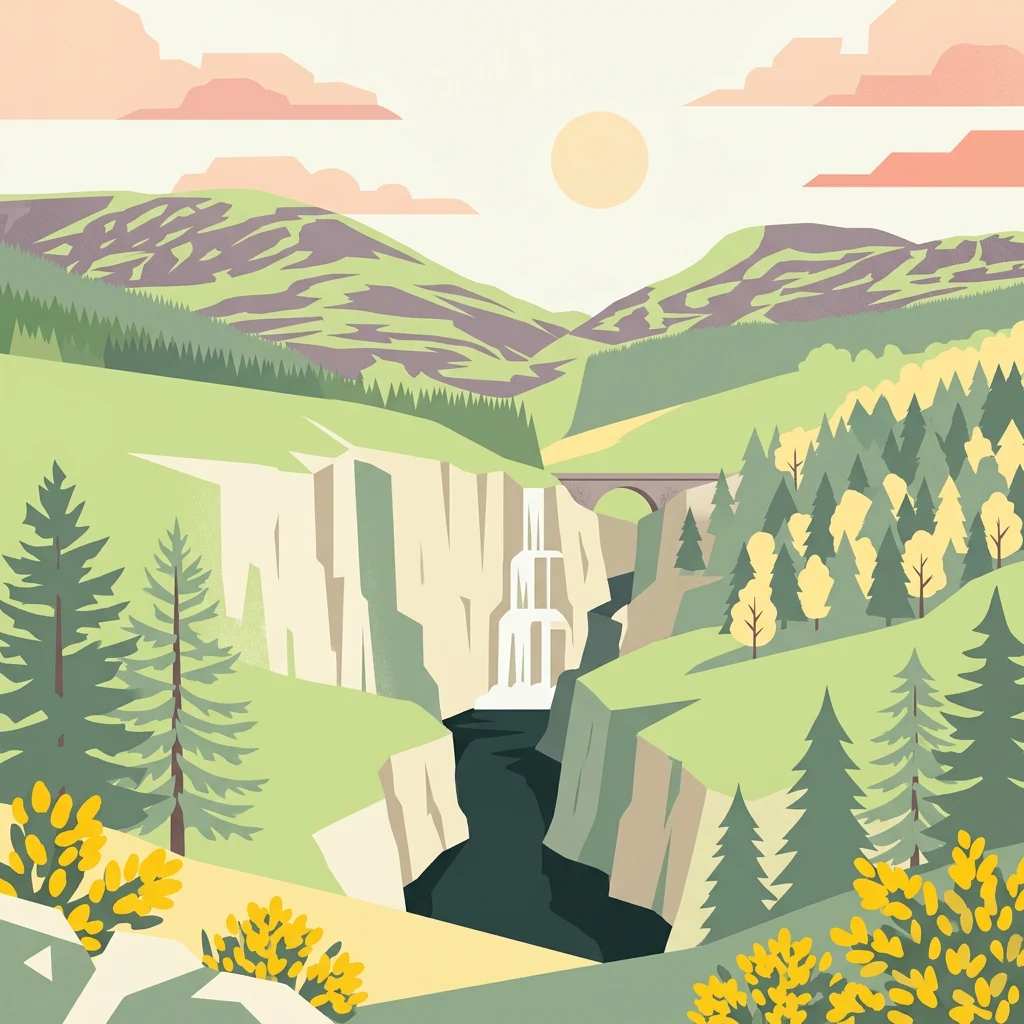
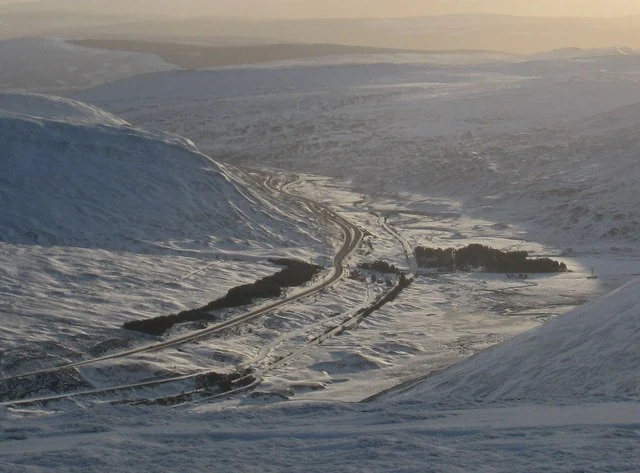
The Cairngorms present a distinctive mountainous landscape defined by extensive plateaus at elevations between 1000 and 1200 metres above sea level, making them the most extensive high ground in Scotland. Above these plateaus rise the domed summits of the individual mountains, reaching approximately 1300 metres. The summits are characterized by tors—prominent free-standing rock outcrops standing atop the boulder-strewn plateau surfaces. The plateau edges descend through steep granite cliffs in places, while the lower slopes give way to the glens and straths that form the broader park landscape. The Monadhliath mountains lie to the north of Strathspey, comprising a bleak, wide plateau rising to between 700 and 950 metres. Three major river systems—the Spey, Dee, and Don—all rise within the park boundaries, with the Spey originating in the Monadhliath and both the Dee and Don having their sources in the Cairngorms themselves. The landscape is punctuated by waterfalls such as the Linn of Dee, and includes extensive areas of peat and evidence of past landslips.
Cairngorms National Park ecosystems, habitats, and plant life
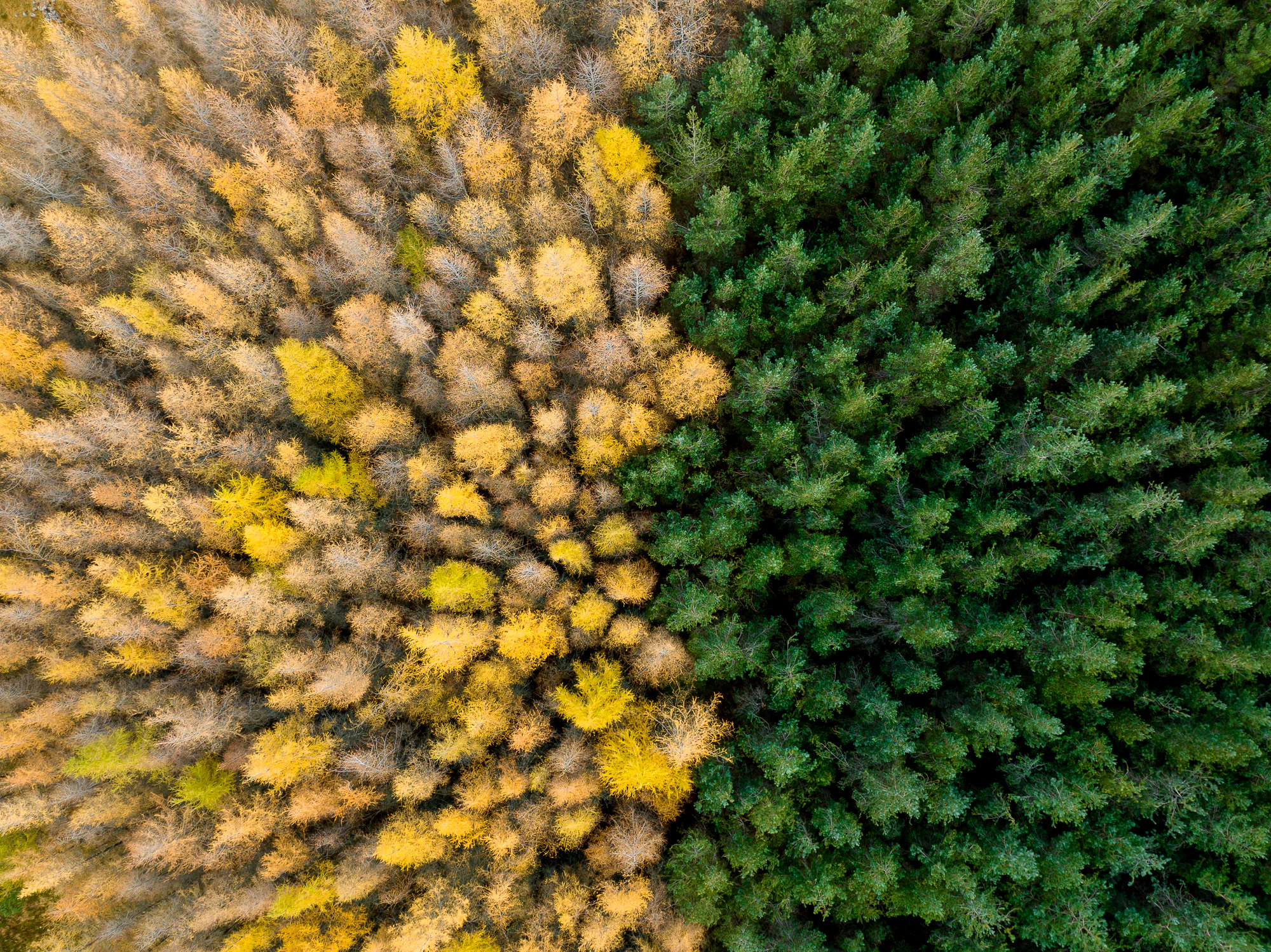
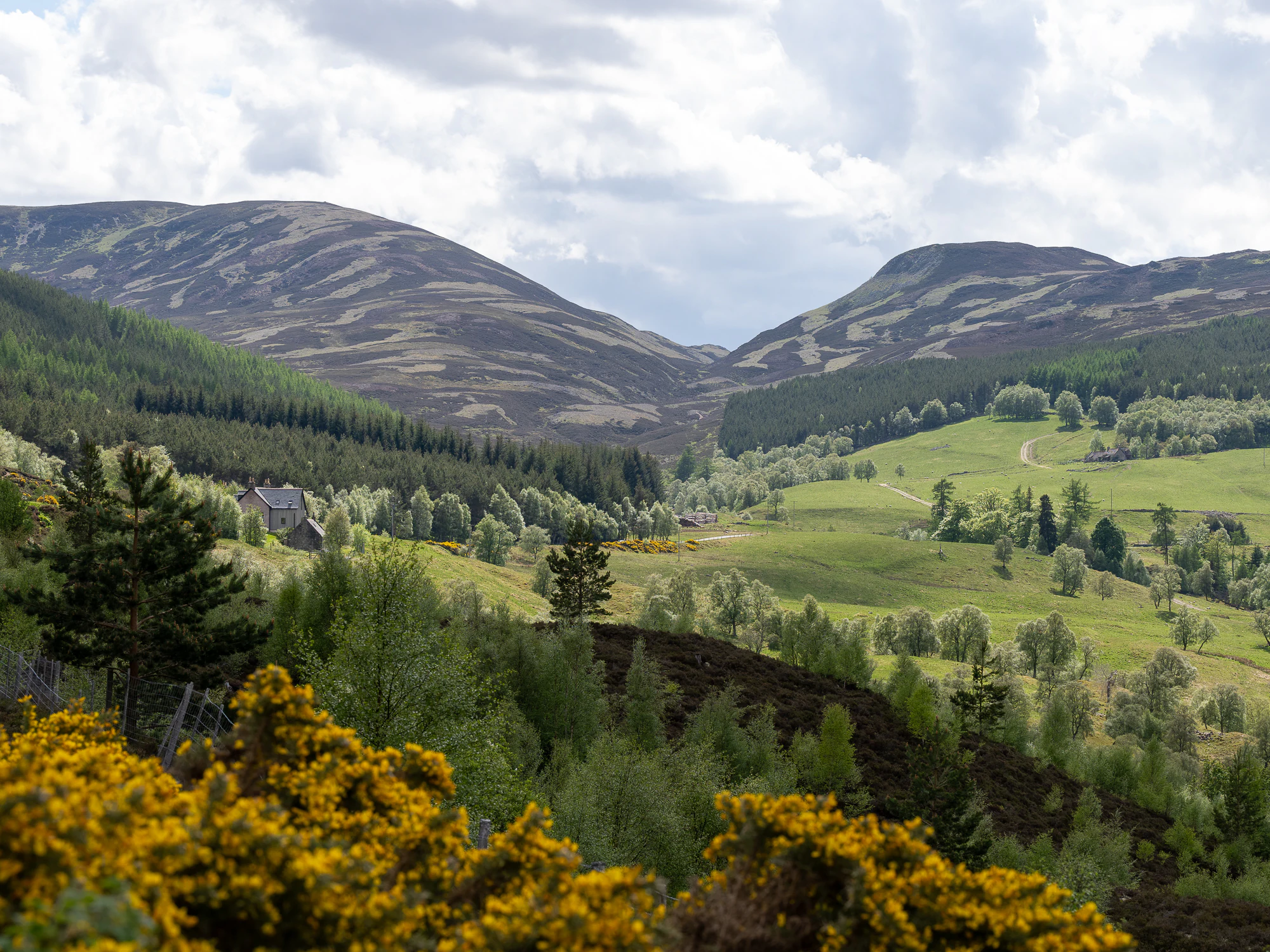
The Cairngorms National Park protects a remarkable diversity of habitats, from arctic-alpine mountain terrain to ancient Caledonian pine forest and extensive wetlands. The Cairngorm mountains themselves provide a unique alpine semi-tundra moorland habitat, home to many rare plants, birds and animals adapted to the harsh conditions. The straths and glens feature the Caledonian forest, the ancient pine woodland that once covered much of the Scottish Highlands. The expanse of pinewood stretching from Glen Feshie to Abernethy Forest forms the largest single area of this habitat remaining in Scotland, with the park as a whole holding more than half of the surviving Caledonian forest. In upper Strathspey, the Insh Marshes represent one of the largest areas of floodplain mire and fen vegetation in Scotland. The River Dee is designated a Special Area of Conservation due to its importance for salmon, otters and freshwater pearl mussels. Within the park there are 19 Special Areas of Conservation, Special Protection Areas and 46 Sites of Special Scientific Interest, plus nine of Scotland's national nature reserves.
Cairngorms National Park wildlife and species highlights
The Cairngorms support a distinctive assemblage of wildlife, particularly notable for species associated with arctic-alpine and boreal forest habitats. The mountain plateaux are home to breeding ptarmigan, dotterel, snow bunting, golden eagle, ring ouzel and red grouse—the ptarmigan and dotterel being particularly characteristic of this environment. Mammal species include red deer and mountain hare, as well as the only herd of semi-domesticated reindeer in the British Isles, brought to the Cairngorms in 1952 by a Swedish herdsman and now stable at around 150 individuals. The Caledonian forests support bird species including capercaillie, black grouse, Scottish crossbill, parrot crossbill and crested tit. The Rivers Dee and Don support fish populations including Atlantic salmon, sea trout, brown trout, eels and lamprey. The Insh Marshes are important for breeding birds including osprey, wigeon, shoveler, goldeneye, redshank, snipe, curlew and lapwing, and receive winter visitors including greylag geese from Iceland and whooper swans.
Cairngorms National Park conservation status and protection priorities
The Cairngorms National Park is classified as an IUCN Category V protected landscape, reflecting its character as an area where people have interacted with the landscape for many centuries, resulting in a semi-natural environment rather than a strict wilderness. This classification acknowledges that thousands of years of human activity—including agriculture, historical deforestation, overgrazing by sheep and deer, and twentieth-century afforestation with introduced tree species—have shaped the current landscape. The park contains numerous areas with additional protection through other conservation designations, including nine national nature reserves, 19 Special Areas of Conservation, Special Protection Areas and 46 Sites of Special Scientific Interest. The entire length of the River Dee is a Special Area of Conservation. The park authority operates under a fourfold mandate to conserve and enhance natural and cultural heritage, promote sustainable use of natural resources, promote understanding and enjoyment, and promote sustainable economic and social development, with the Sandford Principle giving priority to conservation when aims conflict.
Cairngorms National Park cultural meaning and human context
The Cairngorms National Park reflects centuries of human interaction with the landscape. The communities within the park have shaped the land through agriculture, forestry and more recently tourism and recreation. The park contains historic settlements with cultural heritage, including the village of Carrbridge with its 1717 Packhorse Bridge built to enable funeral processions to reach Duthil Church. The area has connections to Scottish history and heritage, reflected in its use as a filming location for productions depicting Scottish life and history. The whisky industry is prominent, with six distilleries within the park—Dalwhinnie, The Glenlivet, Tomintoul, Royal Lochnagar, Balmenach and The Speyside—plus the Cairngorm Brewery. The park's communities, including those in Badenoch and Strathspey, Marr, Angus, Moray and Perth and Kinross, maintain cultural traditions tied to the landscape.
Top sights and standout views in Cairngorms National Park
Cairngorms National Park offers an exceptional combination of mountain landscape, ancient forest, and outdoor recreation within Scotland's largest protected area. The arctic-alpine environment of the Cairngorms provides Britain's most northerly mountain terrain with tundra-like characteristics, supporting species found nowhere else in the country. The Caledonian forest represents the last remnants of the pine woodland that once covered the Highlands, home to species including capercaillie and Scottish crossbill. The reindeer herd remains unique in the British Isles. Three ski resorts provide winter sports opportunities, while 55 Munros attract hillwalkers. The Speyside Way and Cateran Trail offer long-distance walking routes. The presence of six distilleries and a brewery within the park boundary links natural landscape to Scotland's whisky heritage.
Best time to visit Cairngorms National Park
The Cairngorms National Park offers distinct experiences throughout the year, with each season revealing different aspects of its character. Summer brings the best conditions for walking, climbing and wildlife viewing, with longer days allowing extended exploration of the mountains and forests. The breeding bird season peaks in late spring and early summer, with ptarmigan, dotterel and dotterel visible on the plateaux. Autumn offers the opportunity to see the Caledonian forest in golden hues, with fewer visitors and potentially better wildlife viewing as animals become more active. Winter transforms the landscape, with snow covering the higher ground and the ski resorts operating—though conditions can be variable. The reindeer are present year-round and can be encountered in any season. The shoulder seasons of spring and autumn often provide the most reliable weather for hillwalking, while the summer months coincide with the peak visitor season.