Why Charming Harbor National Nature Park stands out
The park preserves some of the last remaining primeval coastal steppe in Crimea, with the Castel gullies containing over 50 plant species found nowhere else in the broader coastal steppe ecosystem. The dramatic transition from dry mountain steppe to sea cliffs creates a distinctive landscape of rugged rock formations, deep arroyos, and exposed coastal scenery. The park's three sections each offer different character: Bolshoy Castel features a gorge descending to a beach with historic settlement ruins; Atlesh showcases significant coastal rock formations; and Canğul displays the characteristic arroyo system of dry gullies that widen into canyons toward the coast.
Charming Harbor National Nature Park history and protected-area timeline
The Charming Harbor National Nature Park was established in 2009 as part of Ukraine's expansion of its national park network during the 2000s. The creation of the park reflected growing recognition of the Tarkhankut Peninsula's ecological significance, particularly its role as a refuge for steppe species in an area that had largely escaped the intensive agricultural conversion that had transformed much of Crimea's interior. The park's establishment also acknowledged the peninsula's cultural heritage, which includes historical settlements and structures within the park boundaries. Following the annexation of Crimea in 2014, the park's administration became the subject of competing jurisdictional claims, with both Ukraine's Ministry of Ecology and Natural Resources and Russia's Ministry of Natural Resources and Environment maintaining formal oversight responsibilities.
Charming Harbor National Nature Park landscape and geographic character
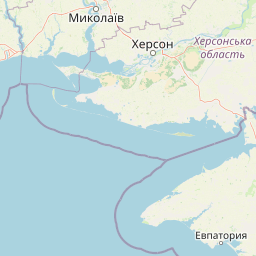
The physical landscape of Charming Harbor National Nature Park is defined by the dramatic intersection of the Crimean steppe plateau with the Black Sea coast. The terrain descends from the elevated interior of the Tarkhankut Peninsula through a series of increasingly steep slopes until it terminates in sheer cliffs and rocky shores along the sea. The park encompasses three distinct landscape sections. Bolshoy Castel features a deep gorge that cuts through the terrain to reach a beach, flanked by the ruins of former settlements that speak to the area's long human presence. Atlesh occupies the southern portion of the park and is distinguished by impressive coastal rock formations that have been sculpted by wind and wave into sculptural shapes. Canğul presents the most distinctive terrain feature: a network of arroyos, or dry gullies, with flat bottoms that are only periodically inundated. These linear erosional features range from 5 to 50 meters in depth and widen into rocky canyons as they approach the coast, creating a labyrinthine landscape unlike typical steppe terrain.
Charming Harbor National Nature Park ecosystems, habitats, and plant life
The ecological character of Charming Harbor National Nature Park centers on its preservation of coastal steppe and shrub-steppe habitats in what represents one of the most intact examples of this ecosystem type in Crimea. The Pontic-Caspian steppe ecoregion, to which the park belongs, once covered vast stretches of Eastern Europe but has been extensively converted to agriculture, making the protected coastal remnants within the park increasingly valuable for biodiversity conservation. The park's vegetation includes coastal steppe, shrub-steppe, and shrub habitats, with the most significant botanical interest concentrated in the deep gullies of the Castel sectors, where approximately 50 plant species occur that are not generally found in the broader coastal steppe environment. Overall, more than 400 species of vascular plants have been recorded within the park boundaries. The semi-arid conditions, combined with the maritime exposure created by the coastline, produce a distinctive ecological community that supports both steppe-adapted species and those with closer affinity to coastal or even Mediterranean conditions.
Charming Harbor National Nature Park wildlife and species highlights
While the Wikipedia source provides limited specific detail on fauna, the park's location within the Pontic-Caspian steppe ecoregion suggests the presence of characteristic steppe-adapted species. The coastal position of the park also creates opportunities for birdlife associated with cliff nesting sites and marine feeding areas. The preserved state of the steppe habitat, particularly in the less-accessible gully systems, likely supports small mammal populations typical of grassland ecosystems. The park's protected status provides a refuge for wildlife in an area where much of the original steppe habitat has been lost to agricultural development.
Charming Harbor National Nature Park conservation status and protection priorities
Charming Harbor National Nature Park represents one of the most important conservation designations in western Crimea, protecting a remnant of the Pontic-Caspian steppe ecosystem that has been heavily impacted by agricultural conversion across its historical range. The park's significance is amplified by its coastal location, which creates unique ecological conditions not found in inland steppe areas and supports plant species with restricted distributions. The designation of the park as an IUCN Category II protected area reflects its management approach centered on ecosystem preservation while accommodating sustainable visitor use through its zoned approach. The park's management framework divides the territory into strict protection, regulated recreation, local recreation, and economic zones, allowing for the preservation of core natural areas while enabling public access and environmental education.
Charming Harbor National Nature Park cultural meaning and human context
The Tarkhankut Peninsula has a long human history, and the park contains evidence of historical settlements within its boundaries. The ruins of former settlements in the Bolshoy Castel section speak to centuries of human presence in this coastal area. The peninsula's strategic position on the Black Sea made it historically significant for maritime activity and trade. The cultural landscape reflects the broader history of Crimea as a region where multiple cultures have interacted over time, though the park's primary designation focuses on natural rather than cultural heritage preservation.
Top sights and standout views in Charming Harbor National Nature Park
The park's most distinctive feature is the dramatic landscape where Crimean steppe meets Black Sea cliffs, a visual transition that defines the Tarkhankut Peninsula's character. The arroyo system at Canğul, with its deep dry gullies and coastal canyons, represents a unique landform not commonly associated with steppe environments. The botanical significance of the Castel gullies, harboring over 50 unique plant species, elevates the park's conservation value beyond typical coastal protected areas. Three distinct sections offer different experiences: dramatic coastal rock formations at Atlesh, historic settlement ruins at Bolshoy Castel, and the intricate gully landscape of Canğul. The park provides a rare opportunity to experience relatively intact coastal steppe in a region where such ecosystems have largely disappeared.
Best time to visit Charming Harbor National Nature Park
The park experiences a humid continental climate with hot summers, making late spring through early autumn the most favorable period for visitation. Summer runs from late May to mid-September, coinciding with the driest and warmest conditions. The hot summer sub-type of the climate classification means daytime temperatures can be quite high, but the coastal location provides some moderation. Visitors seeking to explore the steppe landscape in bloom would find late spring particularly rewarding, while those preferring quieter visits might consider the shoulder seasons of May or September when temperatures remain comfortable and visitor numbers are typically lower.