Why Dinder National Park stands out
Dinder National Park is best known as a critical ecotone between the Sahel and Ethiopian Highlands, a biogeographical meeting point that supports remarkable species diversity. The park hosts 27 large mammal species including lions, leopards, and cheetahs, along with over 160 bird species and 32 fish species. It sits on a major Eurasian-African bird migration flyway. The riverine woodland ecosystem around the Dinder River and its oxbow lakes provides crucial habitat in an otherwise semi-arid landscape, while the park's status as a biosphere reserve recognizes its role in sustaining ecological processes essential to regional environmental health.
Dinder National Park history and protected-area timeline
The history of human occupation and abandonment in the Dinder area reflects the broader environmental and political transformations that have shaped eastern Sudan over the past century and a half. When European explorers first visited the region in 1861, the area around Dinder supported a substantial human population engaged in traditional agricultural and pastoral activities. This population disappeared during the tumultuous 1880s, a decade marked by the Mahdist War and catastrophic famine that devastated communities throughout Sudan. By the time explorer Alfred Harrison traveled through the area in 1925, he found only traces of the former settlements, the landscape returned to a wilder state that would eventually become the foundation for the national park.
Dinder was formally established as a protected area in 1935, following the London Convention of 1933 which established frameworks for preserving wildlife in their natural state across African colonies. This early designation placed Dinder among the pioneering protected areas of colonial Africa. In 1979, the park was admitted to the World Network of Biosphere Reserves, recognizing its importance for conserving ecological processes while allowing for sustainable human use of surrounding lands. The park boundaries were significantly expanded in 1983, adding approximately 2,630 square kilometers to the western portion of the reserve. This expansion reflected growing recognition of the ecological connectivity between the core protected area and the wider landscape necessary to maintain viable wildlife populations.
Dinder National Park landscape and geographic character
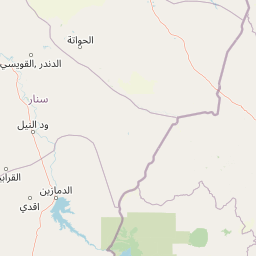
The physical landscape of Dinder National Park is defined by the Dinder River, which flows through the protected area from south to north before joining the Blue Nile system. The river creates a riparian corridor of exceptional ecological importance, bordered by riverine forest that provides shade, water, and habitat in stark contrast to the surrounding semi-arid plains. Beyond the river valley, the park encompasses woodland savannah characterized by scattered trees and seasonal grasslands that transform dramatically with the rainy season. The distinctive oxbow lakes, locally called mayas, formed when the river changed course, dot the landscape and provide permanent water sources that attract wildlife throughout the dry season.
The terrain across the park varies from relatively flat floodplains along the river to more undulating ground in the woodland zones. The boundary to the north follows the Rahad River, another major watercourse that contributes to the hydrological complexity of the region. The park's position at approximately 12°N latitude places it squarely in the transition zone between the Sahel's seasonal rainfall patterns and the more consistently humid conditions of the Ethiopian Highlands. This geographic position shapes every aspect of the landscape, from the vegetation patterns to the seasonal availability of water and the types of wildlife that can survive in this challenging environment.
Dinder National Park ecosystems, habitats, and plant life
The ecological character of Dinder National Park is defined by its position as a transitional zone between two major African biomes, creating a complex mosaic of habitats that supports exceptional biodiversity. The park contains three distinct ecosystem types that work together to sustain the region's wildlife: the riverine or riparian ecosystem along the Dinder River and its tributaries provides dense vegetation and permanent water; the woodland ecosystem covers the majority of the park's extent with varying density and species composition; and the maya or oxbow lake ecosystem creates isolated wetlands that serve as critical dry-season refuges. This combination of habitats within a relatively compact protected area makes Dinder one of Sudan’s most ecologically diverse regions.
The park's location on the bird migration flyway between Eurasia and Africa adds an avian dimension to its ecological significance. During migration seasons, the park becomes a vital stopover for countless birds traveling between continents, while resident species exploit the diverse habitats year-round. The river system supports fish populations that in turn sustain predator species and provide livelihoods for local communities. The transitional position between Sahel and Ethiopian Highlands also means the park contains plant species from both regions, creating unusual ecological assemblages found nowhere else in the world.
Dinder National Park wildlife and species highlights
Dinder National Park supports an impressive diversity of wildlife, with 27 species of large mammals recorded within its boundaries. The park is home to a healthy population of Central African lions, along with leopards and cheetahs that prey on the abundant ungulates throughout the park. The ungulate community includes tiang, Roan antelope, waterbuck, and reedbuck, though populations of these species have faced significant pressure in recent decades. The North African ostrich roams the more open areas of the park, while smaller mammals including various rodents, bats, and other small species complete the mammalian community.
The avian community is equally remarkable, with over 160 bird species recorded in the park. This diversity reflects both the resident bird populations that have adapted to the various habitats and the migratory species that pass through on the major flyway connecting Eurasia and Africa. Waterfowl concentrate around the oxbow lakes and river channels, while raptors patrol the skies above the woodland. The park also supports 32 fish species in its waters, sustaining both aquatic predators and providing an important resource for the broader ecosystem. Reptiles and amphibians complete the vertebrate community, though detailed inventories of these groups remain incomplete.
Dinder National Park conservation status and protection priorities
Dinder National Park faces significant conservation challenges that threaten its ecological integrity despite its protected status. The primary threat stems from agricultural expansion that encroaches on traditional grazing lands, displacing pastoral communities and their livestock into the park boundaries. This process is driven by regional population growth that increases demand for both cultivated land and grazing areas, creating pressure on the park's boundaries and resources. The conversion of migration corridors outside the park into farmland has particularly severe consequences for migratory species that rely on access to seasonal grazing areas.
Population surveys reveal the scale of the challenge: between 1971 and 2001, game counts documented dramatic declines in most large mammal species. Waterbuck populations fell by 85%, reedbuck by 72%, and oribi by 68%, indicating a conservation crisis unfolding within the protected area. Several species that once inhabited the park have been completely extirpated, including the African bush elephant, black rhinoceros, hippopotamus, tora hartebeest, Nubian giraffe, Soemmerring's gazelle, and Nile crocodile. The painted hunting dog, an endangered canid, still occurs in the park but has declined significantly. The dual designation as a biosphere reserve and Ramsar Wetland provides international recognition and some protection, but the park requires enhanced management capacity to address these threats effectively.
Dinder National Park cultural meaning and human context
The Dinder region carries the imprint of human history stretching back centuries, though the current landscape reflects a relatively recent abandonment of intensive human occupation. The area was heavily populated when first visited by Europeans in 1861, with communities engaged in agriculture and pastoralism supported by the river's resources. The catastrophic events of the 1880s, including the Mahdist War and devastating famine, emptied the region of its human population, allowing the land to recover and eventually become protected. The park's establishment in 1935 institutionalized the transition from human-dominated landscape to wildlife sanctuary, though surrounding communities maintain connections to the land through traditional practices.
Top sights and standout views in Dinder National Park
Dinder National Park stands out as Sudan’s premier protected area through its combination of ecological significance, biodiversity, and international recognition. The park's position on the Sahel-Ethiopian Highlands ecotone creates unique habitats that support species from both regions. The riverine ecosystem along the Dinder River provides a green corridor through semi-arid terrain, supporting wildlife populations that would otherwise be impossible in this climate zone. With 27 large mammal species, over 160 birds, and 32 fish species, the park offers exceptional biological diversity. The transboundary connection to Ethiopia's Alitash National Park establishes a conservation network of international significance. The dual designation as biosphere reserve and Ramsar Wetland recognizes the park's global importance, while the history of human abandonment and subsequent recovery demonstrates both the vulnerability and resilience of ecosystems in this region.
Best time to visit Dinder National Park
The optimal time to visit Dinder National Park aligns with the dry season, typically from November through April, when wildlife concentrates around the remaining water sources in the river and oxbow lakes. The landscape is more accessible during this period, with reduced vegetation allowing better wildlife viewing opportunities. However, the park can be visited year-round, with the wet season from June to September transforming the environment with new growth and migratory bird arrivals. The shoulder seasons of October and May offer a balance between conditions, though access may be affected by seasonal road conditions. The gateway town of Dinder provides the most practical base for park visits, though advance planning is essential given the remote location and limited infrastructure.