Why Fairlies Knob National Park stands out
Fairlies Knob National Park is best known for its exceptional biodiversity density within a relatively small protected area. The park harbours 165 animal species alongside 250 plant species, creating a ecologically rich environment despite its modest 0.56 square kilometre size. This concentration of wildlife and vegetation makes the park a significant site for regional conservation in the Fraser Coast Region, demonstrating how small protected areas can serve as valuable refuges for biodiversity.
Fairlies Knob National Park history and protected-area timeline
Fairlies Knob National Park was established in 1910, placing its creation within a formative period of Queensland's protected area history. The early twentieth century marked an era when the Queensland government was actively identifying and gazetting lands for conservation purposes, recognising the need to preserve representative examples of the colony's natural environments. The selection of this particular area for protection suggests that even in the early 1900s, authorities recognised the ecological value of the terrain in the Doongul area. The park's establishment predates many of Queensland's more widely known national parks, reflecting a historical commitment to conservation that has been maintained through subsequent decades of continued protection under the Queensland Parks and Wildlife Service. The park's longevity as a protected area demonstrates the enduring value of the conservation vision that guided its original declaration.
Fairlies Knob National Park landscape and geographic character
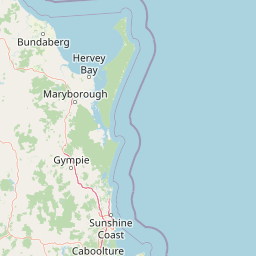
The landscape of Fairlies Knob National Park consists of elevated terrain at approximately 259 metres above sea level, situated within the broader Fraser Coast Region of Queensland. This part of Queensland features a transition zone between the coastal lowlands and the more elevated interior, creating terrain that supports diverse vegetation communities. The park's setting near Doongul places it within a landscape characterised by a mix of vegetation types that reflect the local soil conditions, climate patterns, and historical fire regimes. While the Wikipedia source provides limited detailed description of the specific landforms, the elevation figure suggests the park occupies a ridge or elevated plateau-like feature that stands above the surrounding lower-lying areas.
Fairlies Knob National Park ecosystems, habitats, and plant life
The nature of Fairlies Knob National Park is defined by remarkable biodiversity relative to its small size. The park supports 250 plant species, reflecting diverse vegetation communities that have developed within the protected area's boundaries. This plant diversity indicates a variety of habitat types and ecological niches present within the park, likely ranging from more open woodland communities to denser forest patches depending on aspect, soil, and moisture availability. The 165 animal species recorded within the park represent a significant faunal community, suggesting the protected area provides valuable habitat for numerous vertebrate and invertebrate species. The combination of substantial plant and animal diversity demonstrates that despite its modest 0.56 square kilometre area, Fairlies Knob functions as an effective conservation refuge within the regional landscape, maintaining ecological communities that might otherwise be impacted by land use changes in the surrounding area.
Fairlies Knob National Park wildlife and species highlights
The wildlife community within Fairlies Knob National Park comprises 165 recorded animal species, representing a diverse faunal assemblage within the park's boundaries. This figure indicates the presence of various vertebrate groups including birds, mammals, reptiles, and amphibians, along with potentially significant invertebrate diversity. The park's protected status has allowed these animal populations to persist within a landscape that has experienced varying degrees of modification in the surrounding Fraser Coast Region. The recorded species count suggests the park maintains meaningful habitat value for wildlife, serving as a refuge where animal communities can thrive without the pressures that might otherwise impact unprotected areas. The connection between the park's 250 plant species and its 165 animal species reflects the fundamental ecological relationship between vegetation communities and the fauna they support.
Fairlies Knob National Park conservation status and protection priorities
Fairlies Knob National Park serves as a meaningful conservation asset within the Fraser Coast Region despite its small size. The park's designation as IUCN Category II reflects its primary function as a national park with the objective of protecting natural ecosystems and landscapes. The recorded biodiversity of 165 animal species and 250 plant species demonstrates the conservation value contained within the protected area, showing how even modest-sized reserves can harbour significant biological wealth. Established in 1910, the park has provided over a century of continuous protection, allowing ecological processes to operate largely undisturbed within its boundaries. The park contributes to the broader conservation network of Queensland, serving as a protected node that maintains ecological connectivity and supports biodiversity persistence within a region that has experienced various levels of development and land use change.
Fairlies Knob National Park cultural meaning and human context
The cultural context of Fairlies Knob National Park is closely tied to the local area of Doongul in the Fraser Coast Region. The park's location near the small community of Aramara reflects a landscape that has been part of human activity in regional Queensland. While the Wikipedia source does not provide specific information about indigenous heritage or historical land use, the broader Fraser Coast Region contains areas of cultural significance to Traditional Owners. The establishment of the park in 1910 represents a historical approach to land management that was beginning to formalise protection of natural areas, though this predates modern collaborative management approaches. The park exists within a regional context that includes both conservation values and ongoing community connections to the land.
Top sights and standout views in Fairlies Knob National Park
Fairlies Knob National Park's standout feature is the exceptional biodiversity density it protects within a compact 0.56 square kilometre area. The presence of 165 animal species and 250 plant species demonstrates significant ecological richness that exceeds what might be expected from such a small protected area. This biodiversity concentration makes the park a notable conservation site within the Fraser Coast Region, functioning as a valuable refuge for wildlife and a repository of plant diversity. The park's establishment in 1910 also marks it as one of Queensland's longer-protected areas, providing over a century of continuous conservation protection.