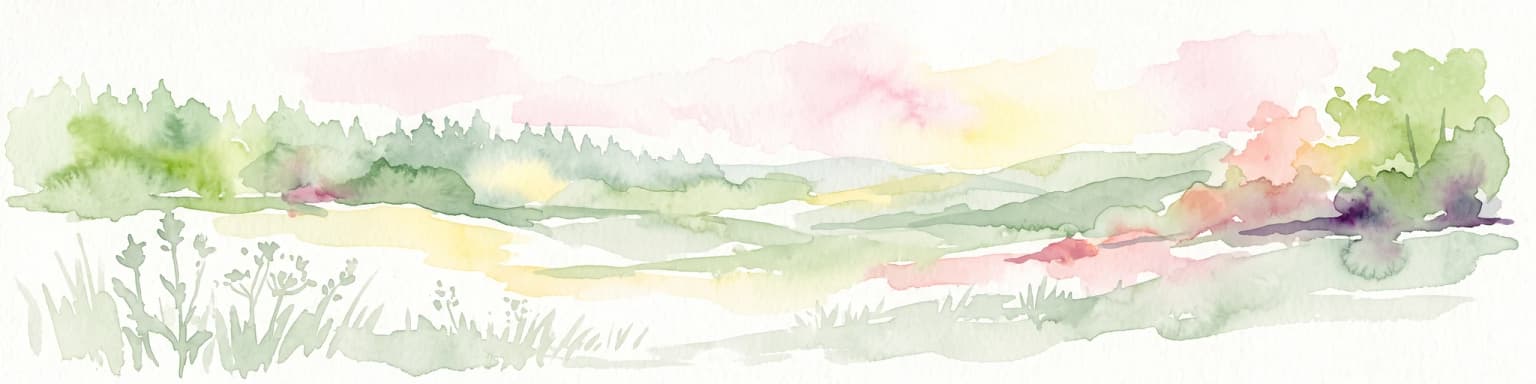
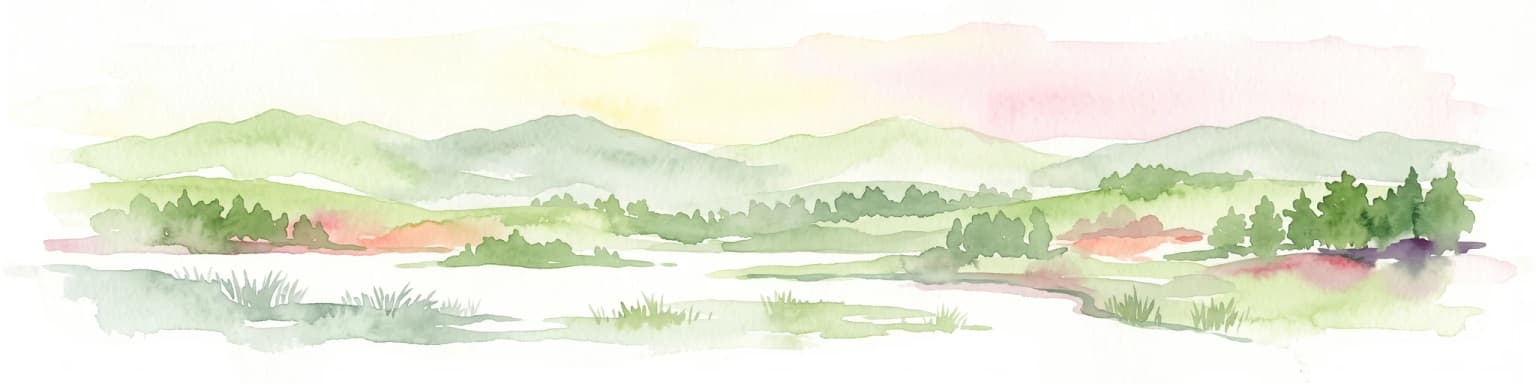
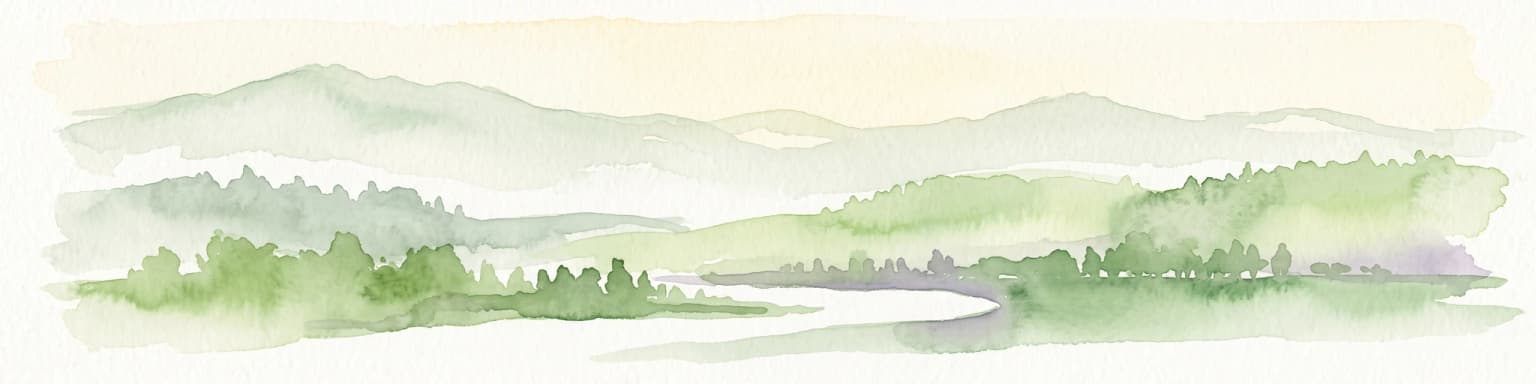
A former gravel-pit lake along the Fulda, where a reconnected river has shaped a young riparian nature reserve.
Forbachsee bei Bebra
Forbachsee bei Bebra is a small protected nature reserve in the middle Fulda valley in northern Hesse, Germany, centred on a roughly 22-hectare lake that originated from gravel extraction rather than natural processes. Classified as an IUCN Category IV Habitat/Species Management Area, it combines open water, pioneer softwood floodplain forest, wet tall-herb communities, marsh woodland, and a roughly one-kilometre stretch of the River Fulda itself.
The reserve is notable for the way the Fulda has been allowed to reclaim part of the former quarry. After a major flood in the mid-1980s broke through the embankment that originally separated the lake from the river, subsequent high-water events deepened and reshaped the connection, so that Fulda water now flows through the lake even at normal levels. This dynamic interplay between river and pit lake continuously produces shallow zones, gravel banks, log jams, and steep bank sections, allowing the site to function as important breeding, resting, and wintering habitat for waterbirds.
Protected initially as a Naturschutzgebiet in 1985 and later integrated into the European Natura 2000 network as both a Fauna-Flora-Habitat site and part of a larger bird protection area, Forbachsee bei Bebra stands as an example of how industrial scars in a floodplain landscape can evolve into ecologically valuable secondary habitats when natural processes are allowed to resume.