Why Forest Den National Park stands out
Forest Den National Park is best known for its role as a dedicated preservation area for black gidgee (Acacia pruinocarpa), a characteristic tree species of inland Queensland woodland environments. The park protects one of the significant remaining examples of black gidgee dominated woodland in the region, making it botanically notable despite its relatively modest size. This particular acacia species is recognized for its distinctive appearance and ecological adaptations to the semi-arid interior conditions of central Queensland.
Forest Den National Park history and protected-area timeline
Forest Den National Park was formally established in 1991 as part of Queensland's expanding national park network during the late twentieth century. The creation of the park reflected a growing recognition in Australian conservation policy of the need to protect representative examples of inland woodland ecosystems, particularly those dominated by distinctive species such as black gidgee. The Queensland Parks and Wildlife Service assumed management responsibility for the area upon its dedication as a national park, incorporating it into the state's system of protected areas. The establishment of Forest Den contributed to Queensland's conservation estate at a time when inland woodland communities were increasingly understood to warrant formal protection.
Forest Den National Park landscape and geographic character
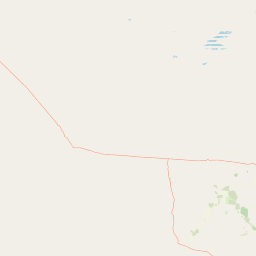
The landscape of Forest Den National Park consists of inland Queensland woodland terrain at an elevation of approximately 243 meters above sea level. The terrain supports a semi-arid to sub-humid woodland character typical of central Queensland's interior regions. The park's vegetation is dominated by black gidgee (Acacia pruinocarpa), which forms the primary woodland canopy in the protected area. The landscape represents the broader inland Queensland region characterized by gently undulating terrain, scattered vegetation cover, and the distinctive silvery-green foliage of acacia woodland communities.
Forest Den National Park ecosystems, habitats, and plant life
The ecological character of Forest Den National Park is defined by its black gidgee (Acacia pruinocarpa) woodland community, which forms the dominant vegetation type within the protected area. Black gidgee is a species of acacia native to inland Queensland and neighboring regions, adapted to the environmental conditions of the semi-arid interior. The park is noted for containing a great variety of plants, representing the biodiversity associated with this particular woodland ecosystem type. The preservation of this black gidgee community constitutes the most important ecological role of the national park, protecting a vegetation association that characterizes the inland Queensland landscape.
Forest Den National Park conservation status and protection priorities
Forest Den National Park's conservation significance centers on the preservation of black gidgee (Acacia pruinocarpa) woodland, which the park was specifically established to protect. This black gidgee dominated woodland represents a distinctive inland Queensland ecosystem type that has conservation value as a representative example of central Queensland woodland communities. The protected area contributes to the broader Queensland conservation network by maintaining this particular habitat type, ensuring that the black gidgee woodland ecosystem remains represented within the state's protected area estate.
Top sights and standout views in Forest Den National Park
The primary highlight of Forest Den National Park is its role as a dedicated preserve for black gidgee (Acacia pruinocarpa) woodland, a distinctive inland Queensland vegetation community. The park provides protection for what is described as the most important role of the national park, namely the preservation of this characteristic acacia species and its associated woodland ecosystem. Visitors and researchers interested in Queensland's inland woodland environments will find Forest Den offers a representative example of black gidgee dominated vegetation in a relatively protected setting.
Best time to visit Forest Den National Park
Forest Den National Park can be visited year-round, though the cooler winter months from May through September typically offer more comfortable conditions for exploring the inland Queensland environment. Summer months can bring high temperatures to the central Queensland interior, making outdoor activity less pleasant during midday. The park's woodland setting can be appreciated in different seasons, with the black gidgee trees providing visual interest throughout the year.