

Mori Atlas logo
National parkFreshwater National Park

Understand the geographic boundaries and natural terrain of Freshwater National Park.

Freshwater National Park: Queensland National Park and Protected Landscape Explorer

Freshwater National Park stands as a significant protected area within Queensland, Australia, offering a unique lens for exploring mapped natural landscapes and regional geography. This national park provides essential context for understanding Queensland's diverse protected territories and their geographic distribution. Dive into the specifics of Freshwater National Park to appreciate its role in the broader conservation atlas of northeastern Australia.

National ParkQueenslandAustraliaOpen WoodlandHeathlandBirdwatching

Freshwater National Park

National park

Park overview

Structured park overview, official facts, and landscape profile for Freshwater National Park

Freshwater National Park park facts, protected area profile, and essential visitor context
Review the core facts for Freshwater National Park, including designation, size, terrain, visitor scale, habitats, and operating context in one park-focused overview.

About Freshwater National Park

Freshwater National Park serves as a critical biodiversity refuge in one of Queensland's most heavily developed coastal corridors. The park's location near Deception Bay places it within the Greater Brisbane metropolitan area, where extensive land clearing for housing, infrastructure, and commercial development has eliminated the vast majority of the original vegetation communities. The 0.94 square kilometer reserve represents a precious remaining fragment of the Open Sclerophyll Woodland and Low Heathland ecosystems that once characterized this coastal plain, providing essential habitat for native species displaced or threatened by the surrounding urban environment.

The park's vegetation is arranged in distinct zones that reflect variations in soil moisture, topography, and exposure. The southern portions feature Open Heath dominated by low grasstrees (Xanthorrhoea) growing among diverse heath shrubs, while denser vegetation including Casuarina stands and paperbark (Melaleuca) wetlands occurs in lower-lying areas and along the creek corridor. The eucalypt canopy, dominated by scribbly gum with its characteristic smooth white bark marked by scribbly insect traces, provides structural complexity and resources for cavity-nesting birds and arboreal marsupials. This mosaic of habitats, despite the park's modest size, supports a surprisingly rich community of vertebrates and invertebrates that depend on these increasingly rare plant communities.

Quick facts and research context for Freshwater National Park

Freshwater National Park is an IUCN Category II protected area in coastal Queensland, Australia, established in 1973 to preserve remnant Open Sclerophyll Woodland and Low Heathland vegetation. The park covers 0.94 square kilometers near Deception Bay, approximately 34 kilometers north of Brisbane within Caboolture Shire. Dominant tree species include scribbly gum (Eucalyptus racemosa) with distinctive smooth white trunks and various Angophora species. The park features a small creek system, heathland areas with grasstrees, Casuarina thickets, and paperbark wetlands. The surrounding area has been extensively cleared for urban development, making this small reserve a significant conservation refuge for native species.

Park context

Deeper park guide and search-rich context for Freshwater National Park

Freshwater National Park history, landscape, wildlife, and travel context
Explore Freshwater National Park through its history, landscape character, ecosystems, wildlife, conservation priorities, cultural context, and seasonal travel timing in a structured park guide built for atlas discovery and search intent.

Why Freshwater National Park stands out

Freshwater National Park is best known for preserving one of the few remaining examples of Open Woodland and Low Heathland in the rapidly developing coastal region between Brisbane and the Sunshine Coast. The park's standout ecological feature is its diverse heathland vegetation community, which supports an impressive array of plant species including the delicate pink-flowered Wallum grevillea, carnivorous sundews, and spectacular wildflower displays in spring. The park is also notable for its birdlife, particularly the nesting wedge-tailed eagles that have established a nest in a large old gum tree within the park, and the vibrant populations of honeyeaters, fairywrens, and rainbow bee-eaters that thrive among the flowering eucalyptus and heathland shrubs.

Freshwater National Park history and protected-area timeline

Freshwater National Park was formally established in 1973 under Queensland's national park legislation, designated to protect the remaining examples of Open Sclerophyll Woodland and Low Heathland in the coastal region north of Brisbane. The creation of the park reflected growing recognition during the mid-twentieth century of the need to preserve representative samples of Queensland's diverse vegetation types as urban expansion accelerated across the southeast corner of the state. The park has been managed since its establishment by the Queensland Parks and Wildlife Service, which maintains the protected area as a conservation reserve while providing limited public access for nature observation and environmental education purposes.

Freshwater National Park ecosystems, habitats, and plant life

The park's ecological character is defined by its Open Sclerophyll Woodland and Low Heathland vegetation communities, which together create a structurally diverse landscape supporting numerous plant and animal species. The canopy is dominated by scribbly gum (Eucalyptus racemosa), a species recognized for its smooth white trunks bearing distinctive scribbly patterns left by larva of the scribbly gum moth, along with several Angophora species that add variety to the tree layer. The understory varies considerably across the park, with the southern sections featuring Open Heath characterized by the distinctive vertical flower spikes of grasstrees rising above a diverse layer of low shrubs and herbaceous plants.

Lower-lying areas and the creek corridor support different vegetation associations, including dense stands of Casuarina (she-oaks) that create shaded, humid microenvironments beneath their drooping branchlets, and paperbark wetlands where Melaleuca species form thickets around seasonally wet depressions. These wetland areas, though small in extent, provide important habitat features for amphibians, water birds, and invertebrates. The creek that runs through the northern end of the park, while modest in size, provides a permanent water source that enhances the site's biodiversity value considerably, supporting aquatic insects, frogs, and providing drinking water for birds and mammals.

Freshwater National Park wildlife and species highlights

Despite its tiny size and complete enclosure by urban development, Freshwater National Park supports remarkable wildlife diversity that draws naturalists and bird enthusiasts throughout the year. The park is particularly renowned for its birdlife, with spring bringing spectacular activity as numerous honeyeater species feed on the abundant nectar produced by flowering eucalypts and heathland plants. The park provides habitat for both the variegated fairywren, with its striking blue and black plumage, and the vibrant red and black red-backed fairywren, both of which forage actively among the dense undergrowth.

One of the park's most impressive vertebrate residents is the wedge-tailed eagle, Australia's largest bird of prey, which has established a nest in a large mature gum tree within the park. These impressive raptors can regularly be seen soaring overhead, their distinctive long kite-shaped wings and deeply forked tails making them unmistakable. The Soundscape of the park is completed by the melodic calls of white-throated gerygones, the metallic chattering of spangled drongos, and the distinctive trilling of rainbow bee-eaters that hawk for insects in the open areas. The invertebrate fauna is equally impressive, with summer bringing abundant dragonflies and damselflies that hawk along the tracks and hover over wetland areas. Notable species include the large Hemianax papuensis, the beautiful purple-winged Rhyothemis graphiptera, and the bright red male Diplacodes bipunctata.

Freshwater National Park conservation status and protection priorities

Freshwater National Park plays a disproportionately important conservation role relative to its tiny size, serving as one of the few protected remnants of Open Woodland and Low Heathland in a region that has been largely transformed by urban and agricultural development. The park preserves representative examples of vegetation communities that were once extensive across the coastal lowlands between Brisbane and the Sunshine Coast but have been drastically reduced by clearing for housing, infrastructure, and industrial purposes. This protected area provides critical habitat for numerous plant species that depend on these fire-maintained woodland and heathland communities, including several that have very limited distribution in the remaining unprotected lands.

The park also functions as a wildlife corridor and refuge in an otherwise highly fragmented landscape, providing stepping-stone habitat that allows species to move between larger natural areas and sustain viable populations across the urban matrix. The presence of breeding wedge-tailed eagles demonstrates that even small reserves can support significant vertebrate species when they contain suitable habitat features, though the park's surrounded-by-development situation creates ongoing challenges for effective conservation management.

Top sights and standout views in Freshwater National Park

The park's small size belies its ecological significance as a conservation refuge for rare woodland and heathland communities in a heavily developed coastal region. The standout highlights include the impressive diversity of heathland plants such as the delicate pink-flowered Wallum grevillea and the carnivorous tall sundew, the spectacular spring bird activity with numerous honeyeaters and fairywrens active among flowering vegetation, and the presence of breeding wedge-tailed eagles that nest in a prominent old gum tree. The wetland areas with paperbark thickets and the seasonal dragonfly activity provide additional visitor interest, while the contrast between the park's natural values and the surrounding urban environment emphasizes the conservation significance of even very small protected areas.

Best time to visit Freshwater National Park

Spring and early summer represent the optimal seasons for visiting Freshwater National Park, as this is when the park's wildlife activity reaches its peak and the heathland vegetation produces its most impressive floral displays. The warmer months from September through February coincide with the breeding season for many bird species, including the honeyeaters, fairywrens, and the resident wedge-tailed eagles. Dragonflies and damselflies are most active during the summer months, providing excellent opportunities for observing these impressive insects as they hunt along the park's tracks and over wetland areas. The cooler winter months still offer nature observation opportunities, though wildlife activity is reduced and the distinctive heathland wildflowers are less prominent.
Park location guide

Geography guide, regional context, and park location map for Freshwater National Park

Freshwater National Park park geography, regions, and map view in Australia
Understand where Freshwater National Park sits in Australia through a broader geographic reading of the surrounding landscape, nearby location context, and its mapped position within the national park landscape.

How Freshwater National Park fits into Australia

Australia is a constitutional monarchy and federal parliamentary democracy comprising six states and ten territories. With a population of nearly 28 million, it is one of the world's most urbanised countries, with most people concentrated on the eastern seaboard. The country has a high Human Development Index and is known for its cultural diversity, ancient Aboriginal heritage, and unique wildlife.

Wider geography shaping Freshwater National Park in Australia

Australia occupies the entire Australian continent, the island of Tasmania, and numerous smaller islands. It is the world's flattest and driest inhabited continent, featuring vast deserts in the interior (the Outback), tropical rainforests along the eastern coast, and a coastline bordering the Indian and Pacific Oceans.

Map view of Freshwater National Park

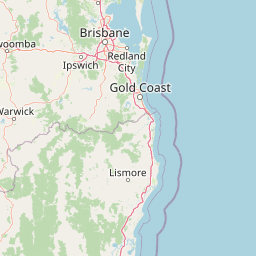
Use this park location map to pinpoint Freshwater National Park in Australia, understand its exact geographic position, and read its mapped placement within the surrounding landscape more clearly.

Pigeon | © OpenStreetMap contributors

Location context for Freshwater National Park

Queensland
Park atlas

Trace the regional park geography and protected landscapes surrounding Freshwater National Park, Queensland.

Explore National Parks and Protected Areas Near Freshwater National Park in Queensland
Explore other national parks and protected areas across Queensland and the broader Australian coastal region, contextualizing Freshwater National Park's unique remnant ecosystems. Continue your atlas-style discovery by mapping nearby conservation landscapes, understanding regional protected area patterns, and comparing diverse habitats beyond this specific park.
National parkQueensland

D'Aguilar National Park: A Queensland National Park with Diverse Mountain Landscapes and Scenic Views

Explore its mapped protected area boundaries and regional geography.

D'Aguilar National Park presents a compelling geographic profile within Queensland, featuring the rugged terrain of the D'Aguilar Range. This national park is notable for its impressive biodiversity and the distinct ecological zones, ranging from arid eucalyptus forests to lush subtropical rainforests. The park's mapped landscape offers significant interest for atlas exploration, providing context on its role as a protected area and its contribution to the regional natural heritage.

Area
20.5 km²
Established
1938
IUCN
II
Visitors
812K annual
National parkQueensland

Fort Lytton National Park: Explore Queensland's Protected Landscape Identity

Mapped boundaries and regional geographic context in northeastern Australia.

Fort Lytton National Park is a designated national park providing a specific focus on protected landscapes within Queensland. This detail page offers insights into the park's geographic placement and mapped boundaries, helping users understand its unique identity within the northeastern Australian region. Discover the atlas-style context of Fort Lytton National Park as a distinct protected area.

Area
0.13 km²
Established
1990
IUCN
II
Relief
Lowland
National parkQueensland

Glass House Mountains National Park: Explore its Protected Landscape and Queensland Geography

Mapped boundaries and regional natural terrain context.

Glass House Mountains National Park serves as a vital protected area, offering a specific geographic focus within Queensland, Australia. This page provides detailed context on its mapped boundaries and landscape character, contributing to a structured understanding of the national park's place in the Sunshine State's diverse geography. It highlights the park's role as a distinct protected territory within the broader Australian atlas.

Area
8.83 km²
Established
1994
IUCN
II
Relief
Mountain
National parkQueensland

Bribie Island National Park: Queensland National Park Landscape and Geographic Overview

Mapped terrain and protected boundaries in Queensland.

Bribie Island National Park in Queensland offers a unique focus for geographic exploration within the Australian atlas. As a designated national park, it presents specific mapped boundaries and natural terrain that contribute to the region's overall landscape context. Understanding this protected area provides valuable insights into the diverse geography of Queensland and its conservation lands.

Area
49 km²
Established
1994
IUCN
II
Visitors
986K annual
National parkQueensland

Gheebulum Kunungai National Park: A Protected Landscape in Queensland's Diverse Geography

Explore its national park boundaries and regional context.

Gheebulum Kunungai National Park represents a distinct protected area within the broader geographic tapestry of Queensland. As a national park, it contributes to the region's conservation landscapes, offering users an opportunity to understand its mapped boundaries and its specific role within the atlas of northeastern Australia's natural terrain. This entry focuses on the park's geographic identity and its value for structured map exploration.

Area
168 km²
Established
1966
IUCN
II
Relief
Lowland
National parkQueensland

Dularcha National Park: Queensland National Park Landscape and Geographic Context

Explore mapped protected areas and natural terrain.

Delve into the specific protected landscape of Dularcha National Park, a national park situated in Queensland, Australia. This entry provides detailed information on its geographic features and mapped boundaries, contributing to a structured understanding of protected areas within the Australian atlas. Examine Dularcha National Park's unique natural environment and its place within the Sunshine State's diverse terrain.

Area
4.64 km²
Established
1921
IUCN
II
Climate
Subtropical
National parkQueensland

Bellthorpe National Park: Queensland National Park Map and Protected Landscape

Explore mapped boundaries and regional geography in Queensland.

Bellthorpe National Park is a key protected area within Queensland, Australia, offering a unique lens for understanding regional geography and landscape context. As a national park, its mapped boundaries are integral to appreciating its role in the Sunshine State's protected lands. This resource provides detailed atlas-style information, focusing on the geographic identity and mapped terrain that define Bellthorpe National Park for focused exploration.

Area
75.5 km²
IUCN
II
Relief
Highland
Access
Moderate access
National parkQueensland

Eudlo Creek National Park: Queensland National Park Protected Landscape

Mapped geography and protected area context.

Eudlo Creek National Park is a designated national park situated within the vast geographical expanse of Queensland, Australia. This entry facilitates an atlas-style understanding of the park, highlighting its mapped boundaries and its significance as a protected natural landscape. Delve into the regional geography and landscape context to appreciate Eudlo Creek National Park's role within Australia's network of conservation areas.

Area
0.43 km²
Established
1951
IUCN
II
Climate
Subtropical

Common questions about visiting, size, designation, and location context for Freshwater National Park

Freshwater National Park FAQs for park facts, access, geography, and protected area context
Find quick answers about Freshwater National Park, including protected-area facts, park geography, trail and visitor context, and how the park fits into its surrounding country and regional landscape.
MoriAtlas Explorer

Continue Your Protected Areas Search Across the Global Atlas

Deepen your exploration by continuing the structured search for national parks and protected areas worldwide. Utilize the comprehensive filtering capabilities to compare different conservation landscapes and refine your understanding of global park geography. Discover more about the distribution and characteristics of protected natural areas.

Global natural geography