Why Guanacaste National Park stands out
Guanacaste National Park is best known for its iconic guanacaste tree that gave the park its name, a massive specimen whose unusual triple-trunked growth pattern saved it from being cut down during logging operations. The park has also gained recognition as a premier birdwatching destination in Belize, with more than one hundred documented avian species including Lesson's motmot, black-faced antthrush, red-lored amazon, and magnolia warbler. Its exceptional accessibility from Belize's major population centers, combined with well-maintained trails and family-friendly facilities, makes it stand out among Belize's protected areas.
Guanacaste National Park history and protected-area timeline
Guanacaste National Park traces its origins to 1973 when it was established as a Crown Reserve, reflecting Belize's early commitment to protecting significant natural areas. The park's name and identity come from a single remarkable guanacaste tree that stood in the area, its trunk dividing into three bases rather than the typical single trunk. This unusual growth pattern reduced the tree's commercial value as timber, allowing it to survive the logging operations that cleared much of the surrounding forest. The tree's survival became a local landmark and the natural symbol around which the protected area coalesced. After seventeen years as a Crown Reserve, the area achieved full national park status in 1990, elevating its legal protection and formalizing its role in Belize's conservation network. The Belize Audubon Society subsequently assumed management responsibility, bringing professional conservation management and visitor services to the property. The park's proximity to major population centers and the Western Highway made it a natural choice for public accessibility, distinguishing it from more remote protected areas.
Guanacaste National Park landscape and geographic character
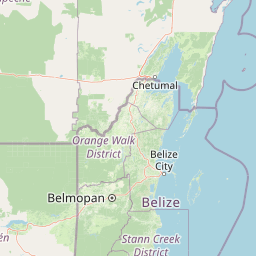
The physical landscape of Guanacaste National Park reflects the tropical forest environment of central Belize's Cayo District. The terrain consists of relatively flat lowland areas characteristic of the region, with the park's 50-acre extent representing a remnant of the broader tropical forest ecosystem that once covered much of this part of Belize. The park's setting along the Western Highway places it in a transitional zone between the more developed agricultural lands of central Belize and the remaining forested areas. The famous guanacaste tree that gives the park its name dominates the landscape, its massive trunk and wide canopy serving as a visual anchor for visitors. Beyond the namesake tree, the forest contains several other notable tree species including rain tree, mamey sapote, Brazilian firetree, and Honduras mahogany, which is Belize's national tree. The maintained trail system allows visitors to experience this forest environment while providing access to different areas of the property.
Guanacaste National Park ecosystems, habitats, and plant life
The ecological character of Guanacaste National Park exemplifies the tropical forest biodiversity for which Belize has earned recognition. The park's tree composition includes several species of conservation and economic significance, with the Honduras mahogany standing out as Belize's national tree. The forest supports a complex web of ecological relationships typical of Neotropical forest systems, though the park's small size means it functions as a fragment of the larger ecosystem that once existed in the Cayo District. The diversity of bird species recorded, exceeding one hundred, indicates the ecological value the area provides as habitat and corridor. The park's proximity to the Western Highway and human population centers creates both accessibility benefits and conservation challenges, as the area exists in a landscape influenced by human activity.
Guanacaste National Park wildlife and species highlights
Guanacaste National Park supports a diverse array of wildlife despite its modest size, with birdlife being particularly notable. The park has documented over one hundred bird species, making it a significant destination for birdwatching in Belize. Notable avian residents include Lesson's motmot, black-faced antthrush, smoky-brown woodpecker, black-headed trogon, red-lored amazon, magnolia warbler, belted kingfisher, and bright-rumped attila. The mammal community includes white-tailed deer, jaguarundi, kinkajou, and nine-banded armadillo, representing both common species and those of conservation interest. The variety of wildlife present demonstrates how even smaller protected areas can provide valuable habitat within Belize's broader conservation landscape, particularly for species that can utilize fragmented forest areas or benefit from the educational and protective value such parks provide.
Guanacaste National Park conservation status and protection priorities
Guanacaste National Park contributes to Belize's conservation framework as a protected area managed by the Belize Audubon Society, one of the nation's primary conservation organizations. While the park's 50-acre size is modest, it serves important functions as an accessible nature education site and as a pocket of protected habitat within the developed landscape of central Belize. The park's designation as an IUCN Category II protected area (national park) reflects its primary conservation purpose of protecting natural ecosystems while allowing compatible public use. The management approach emphasizes visitor education through its educational center and trail system, creating awareness of biodiversity and conservation among the many visitors who come from Belize's major cities. The park's status as the most accessible of the Audubon Society's properties makes it an important gateway for public engagement with conservation in Belize.
Guanacaste National Park cultural meaning and human context
The cultural context of Guanacaste National Park is closely tied to the historical relationship between Belize's communities and the forest landscape. The park's origin story centers on the guanacaste tree whose unusual triple-trunked form reflects natural variation in the species, but whose survival became a matter of local knowledge and eventual protection. The tree escaped logging not through formal conservation measures but through its own physical characteristics that rendered it less commercially valuable, a serendipitous outcome that became embedded in local memory and eventually gave the protected area its identity. The park's location near Belmopan and along the Western Highway places it in a region where human settlement and development have transformed much of the original forest, making the preserved area a remnant of the historical landscape.
Top sights and standout views in Guanacaste National Park
The signature highlight of Guanacaste National Park is the legendary guanacaste tree that inspired its creation and name, a living landmark whose unusual triple-trunked form has made it a symbol of natural endurance. The exceptional bird diversity, with over one hundred species recorded, positions the park as a premier birdwatching destination that offers accessible wildlife observation in a protected setting. The well-maintained trail system spanning over two miles provides visitors with meaningful forest exploration opportunities, while the educational center enhances the visit with interpretive context. The park's status as the most accessible of Belize's Audubon-managed protected areas makes it a model for balancing conservation with public engagement, offering an entry point for residents and tourists to experience Belize's natural heritage without requiring travel to remote locations.
Best time to visit Guanacaste National Park
Guanacaste National Park is open year-round for daytime visitors, with operating hours from 8 am to 4:30 pm. The dry season from December through May generally offers more comfortable conditions for hiking and wildlife observation, with reduced rainfall making trail conditions more predictable. However, the wet season from June through November brings lusher vegetation and different bird activity patterns that may appeal to dedicated birdwatchers. The park's small size and trail system can be explored in a few hours, making it suitable for day trips from Belize City, Belmopan, or other nearby population centers. Visitors should note the park's recommendation to wear long-sleeved shirts, sturdy shoes, and pants to protect against contact with poisonous plants that occur in the area.