Why Gulf of Chiriquí National Marine Park stands out
The park is best known for its exceptional marine biodiversity and the seasonal presence of humpback whales that breach and feed in its waters between August and October. The protected coral reef systems support populations of hammerhead sharks, whitetip reef sharks, manta rays, and dolphins, while the island beaches serve as important nesting grounds for several sea turtle species. The contrast between the lush tropical forest-covered islands and the vibrant underwater world of coral reefs and seagrass beds creates a distinctive dual-landscape character that sets this marine park apart from Panama's other protected coastal areas.
Gulf of Chiriquí National Marine Park history and protected-area timeline
The Gulf of Chiriquí National Marine Park was established in 1994 as part of Panama's expanding system of protected areas designed to preserve the country's coastal and marine biodiversity. At the time of its creation, the park represented a response to growing concerns about reef degradation, overfishing, and the potential for unchecked coastal development along Panama's Pacific shore. The establishment of the park provided formal legal protection for the Isla Parida archipelago and the surrounding marine waters, creating a framework for managing human activities including fishing, boating, and potential tourism development. The park's designation also recognized the ecological connections between the islands' terrestrial forests and the marine ecosystems that surround them, treating the coastal zone as an integrated ecological unit rather than separate habitats.
Gulf of Chiriquí National Marine Park landscape and geographic character
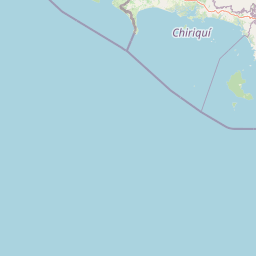
The Gulf of Chiriquí National Marine Park encompasses a dramatic coastal landscape where forested volcanic islands rise from turquoise Pacific waters. The islands of the Isla Parida archipelago feature varied topography, with some characterized by steep cliffs and others by more gentle slopes descending to sandy beaches. The marine environment beneath the surface reveals a different kind of complexity, with coral reef platforms extending from shallow nearshore areas into deeper waters, interspersed with patches of seagrass meadow and bare sandy bottom. Mangrove forests fringe several of the islands, their prop roots extending into shallow water and creating a characteristic tangled shoreline. The overall visual character combines the deep greens of island forests with the ever-changing blues of Pacific waters, punctuated by white beaches and the dark silhouettes of volcanic rock formations.
Gulf of Chiriquí National Marine Park ecosystems, habitats, and plant life
The marine ecosystems within Gulf of Chiriquí National Marine Park represent a tropical coastal environment of considerable complexity and productivity. Coral reef communities have developed on the submerged volcanic substrates around the islands, supporting diverse assemblages of reef fish, invertebrates, and algae. The reefs range from nearshore patch reefs to more extensive shelf-edge formations, and they provide the structural foundation for the park's most visible marine biodiversity. Seagrass meadows, primarily composed of turtle grass species, cover substantial areas of the shallow seafloor and serve as both habitat and food source for marine herbivores. Mangrove forests along island margins contribute organic matter and nutrients to the coastal food web while providing sheltered nursery areas for many fish and invertebrate species. The terrestrial components of the park, the forested islands, contain tropical dry forest communities adapted to the seasonal climate patterns of Panama's Pacific coast.
Gulf of Chiriquí National Marine Park wildlife and species highlights
The wildlife of Gulf of Chiriquí National Marine Park includes both terrestrial and marine species, with the marine fauna drawing the greatest visitor interest. Humpback whales pass through the gulf during their annual migration, with peak presence from August through October when mothers and calves can be observed in the protected waters. Several species of sea turtle, including green turtles and hawksbill turtles, nest on the island beaches, with the sandy shores providing suitable incubation habitat for their eggs. The coral reefs shelter populations of hammerhead sharks and whitetip reef sharks, while manta rays are occasionally observed feeding in the nutrient-rich waters. Bottlenose dolphins and spotted dolphins are common residents, often accompanying boats and feeding near the reef edges. On land, green iguanas are the most conspicuous vertebrate inhabitants of the islands, basking in the forest canopy and along the shoreline.
Gulf of Chiriquí National Marine Park conservation status and protection priorities
The Gulf of Chiriquí National Marine Park was created to address specific conservation challenges facing Panama's Pacific coast marine environments. The protected status helps regulate fishing activities, reduce anchor damage to reefs, and limit coastal development that could degrade sensitive mangrove and beach habitats. The park's boundaries encompass critical habitat for endangered species including sea turtles and whales, providing them legal protection during vulnerable life stages such as nesting and breeding. However, the park faces ongoing challenges from logging activities that threaten the island forests and from broader pressures related to regional fishing pressure and potential climate impacts on coral reef health. The management approach recognizes the interconnectedness of terrestrial and marine conservation, acknowledging that forest protection on the islands directly benefits the marine ecosystems through reduced sediment runoff and habitat continuity.
Gulf of Chiriquí National Marine Park cultural meaning and human context
The Gulf of Chiriquí region has historical connections to indigenous peoples who inhabited the islands and coastal areas long before European contact. The sea turtle nesting traditions observed in the park today reflect ancient relationships between local communities and marine resources, though the contemporary park management operates under modern conservation frameworks. The town of Puerto Mutis on the adjacent mainland serves as a regional center for fishing and small-scale maritime activities that have characterized the area for generations. The marine park exists within a broader context of traditional coastal livelihoods while also serving as a destination for visitors interested in experiencing the natural environments that have sustained local communities for centuries.
Top sights and standout views in Gulf of Chiriquí National Marine Park
The Gulf of Chiriquí National Marine Park stands out for its remarkable concentration of marine habitats within a compact protected area, offering visitors the chance to encounter whales, sea turtles, sharks, and dolphins in their natural environments. The seasonal humpback whale migration from August to October provides one of the Pacific coast's most reliable whale watching opportunities in Panama. The park's islands, with their combination of forested slopes and reef-ringed shores, create a distinctive visual landscape that rewards exploration by boat. The coral reef systems support visible shark populations and provide excellent snorkeling opportunities in relatively accessible shallow waters. The sea turtle nesting beaches on several islands represent an important conservation success story for these endangered marine reptiles.
Best time to visit Gulf of Chiriquí National Marine Park
The optimal time to visit Gulf of Chiriquí National Marine Park depends on the specific experiences sought. Humpback whale season runs from August through October, when the migration brings these massive cetaceans into the gulf and creates prime whale watching conditions. This period also coincides with the tail end of the green sea turtle nesting season, as females continue to haul onto beaches to lay eggs. The dry season from December through April generally offers more reliable weather for boat trips and water activities, though the park can be visited year-round. The wet season from May to November brings higher temperatures and occasional storms but also fewer visitors and greener island vegetation. Water visibility for snorkeling and diving tends to be best during the drier months when less sediment washes into the gulf.