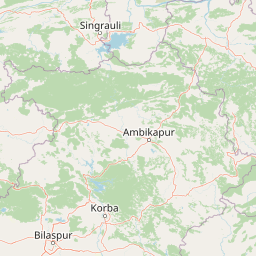
Why Guru Ghasidas - Tamor Pingla Tiger Reserve stands out
Guru Ghasidas - Tamor Pingla Tiger Reserve is best known as one of India's newest and largest tiger reserves, established to protect viable tiger habitat in central India's forested landscapes. The reserve encompasses a critical corridor connecting several major tiger populations across state boundaries, linking Bandhavgarh Tiger Reserve to the west with Palamau Tiger Reserve in Jharkhand to the east. It is notable for its extensive sal forest ecosystems, diverse wildlife assemblages, and its role in India's tiger conservation network. The presence of both Guru Ghasidas National Park, a long-established protected area named after a revered tribal leader, and the relatively untouched Tamor Pingla Wildlife Sanctuary provides a dual conservation legacy within a single reserve.
Guru Ghasidas - Tamor Pingla Tiger Reserve history and protected-area timeline
The Guru Ghasidas-Tamor Pingla Tiger Reserve received final approval from the National Tiger Conservation Authority in October 2021, with formal notification following in 2024 to become India's 56th tiger reserve. The designation emerged from years of survey work and conservation planning aimed at securing viable tiger habitat in the Chhattisgarh region. The reserve builds upon the pre-existing Guru Ghasidas National Park, which was established to honor Guru Ghasidas, a revered figure in Chhattisgarh's tribal cultural heritage, particularly among the Korwa and other indigenous communities. The Tamor Pingla Wildlife Sanctuary contributed additional wilderness area to create a comprehensive protected landscape. As a newly established reserve, Guru Ghasidas-Tamor Pingla represents the ongoing expansion of India's tiger conservation network under the National Tiger Conservation Programme, which seeks to ensure viable wild tiger populations across the country.
Guru Ghasidas - Tamor Pingla Tiger Reserve landscape and geographic character
The tiger reserve spans a varied landscape within the Chhota Nagpur Plateau region, characterized by undulating hills, broad valleys, and extensive forested terrain. The underlying geological formations of the Chhota Nagpur Plateau contribute to the area's distinctive topography, with elevation changes creating diverse microhabitats throughout the reserve. Dense woodlands dominate the landscape, particularly in the core areas where sal forests form the dominant vegetation type. The reserve is traversed by numerous streams and rivers that originate in the plateau, including the Rihand River system, the Gopand River, and the Banas River. These watercourses provide critical hydrological functions and sustain wildlife throughout the seasonal cycle. The landscape transitions from the more rugged terrain of the plateau to relatively softer landforms in certain sections, creating a mosaic of habitats that supports diverse flora and fauna.
Guru Ghasidas - Tamor Pingla Tiger Reserve ecosystems, habitats, and plant life
The reserve supports extensive tropical deciduous forest ecosystems typical of central India's biotic zone. The predominant tree species include sal, which dominates the climax forest community, alongside saja, dhavda, and kusum trees that form important components of the forest composition. These forest types provide critical habitat for numerous species and maintain ecological processes essential to the region's biodiversity. The Chhattisgarh region's position at the convergence of multiple biogeographic zones contributes to the reserve's ecological diversity. According to surveys by the Zoological Survey of India, the reserve contains 753 documented species, comprising 365 invertebrates and 388 vertebrates. This species richness reflects the functional integrity of the forest ecosystems and their capacity to support complex ecological communities.
Guru Ghasidas - Tamor Pingla Tiger Reserve wildlife and species highlights
The reserve hosts a diverse mammalian community, with 55 mammal species documented including several species of significant conservation concern. The large herbivore community includes chital (spotted deer), elephants, nilgai (blue bull), chinkara (Indian gazelle), and Indian bison (gaur), providing the prey base essential for apex predator persistence. Predators represented include tigers, leopards, and smaller carnivores such as wolves, hyenas, and jackals. The sloth bear and otter occupy specialized ecological niches within the reserve. Primates including various langur species are present in the forest canopy. The avifauna includes 230 bird species, with the peacock serving as an emblematic presence and vultures representing important scavenger populations. As of 2024, the reserve supported a small but significant tiger population of five to six individuals, representing the beginnings of population establishment in this newly designated protected area.
Guru Ghasidas - Tamor Pingla Tiger Reserve conservation status and protection priorities
Guru Ghasidas - Tamor Pingla Tiger Reserve plays a critical role in India's tiger conservation strategy by providing protected habitat within a region historically containing tiger populations but lacking formal conservation designation. The reserve contributes to landscape-level conservation by connecting existing protected areas across state boundaries, facilitating the movement of wildlife populations essential for genetic exchange and demographic resilience. The integration of core protected zones with a buffer area reflects India's policy approach to tiger conservation, which recognizes the need for both strict protection of critical habitat and sustainable management of areas surrounding core zones. The reserve's position adjacent to the Sanjay-Dubri Tiger Reserve in Madhya Pradesh creates a transboundary conservation complex spanning nearly 4,500 square kilometers, representing one of the larger connected tiger habitats in central India. This landscape connectivity supports broader conservation objectives beyond the reserve's boundaries.
Guru Ghasidas - Tamor Pingla Tiger Reserve cultural meaning and human context
The reserve incorporates areas of cultural significance to Chhattisgarh's indigenous communities, particularly through the naming of Guru Ghasidas National Park after the tribal leader Guru Ghasidas. The Korwa and other tribal communities have traditionally inhabited the forests and surrounding regions, maintaining cultural connections to the landscape that predate formal protected area establishment. The region's name Tamor Pingla derives from local terminology reflecting the area's cultural and geographic identity. While the establishment of the tiger reserve follows contemporary conservation frameworks, the protected area encompasses landscapes with longstanding human presence and traditional land use patterns. This cultural dimension provides context for understanding the reserve's place within Chhattisgarh's broader environmental and social landscape.
Top sights and standout views in Guru Ghasidas - Tamor Pingla Tiger Reserve
The reserve stands as India's third-largest tiger reserve and the newest addition to the country's tiger conservation network. Its strategic location creates critical connectivity between major tiger reserves in Madhya Pradesh and Jharkhand, supporting landscape-scale conservation across state boundaries. The combination of Guru Ghasidas National Park's established conservation legacy with Tamor Pingla Wildlife Sanctuary's relatively pristine wilderness creates a dual-character protected area. The reserve protects extensive sal forest ecosystems and supports a growing tiger population within its core habitat. Its position on the Chhota Nagpur Plateau provides diverse terrain and habitat heterogeneity supporting rich biodiversity, with 753 documented species including 55 mammal species and 230 bird species.
Best time to visit Guru Ghasidas - Tamor Pingla Tiger Reserve
The reserve is best visited during the cooler winter months from November through March, when temperatures in central India are moderate and wildlife viewing conditions are favorable. The post-monsoon period brings lush vegetation and full water sources, making animals more readily observable near waterholes and along forest trails. Summer months from April through June can be extremely hot, though this season may offer improved tiger sighting opportunities as animals concentrate around remaining water sources. The monsoon season from July through October brings heavy rainfall to the region, potentially limiting access to certain areas within the reserve. Visitors planning trips should consult current access regulations and seasonal conditions with the Chhattisgarh Forest Department, as operational details may vary and the reserve's recent establishment may affect visitor facilities and access protocols.