Why Hat Khanom, Mu Ko Thale Tai National Park stands out
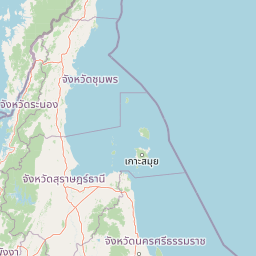
Hat Khanom, Mu Ko Thale Tai is distinguished by its dual terrestrial and marine character, combining mainland beach environments with a scattered island archipelago. The park protects significant primary forests on limestone mountains, extensive mangrove ecosystems along the coast, and serves as a corridor for diverse wildlife including tigers, sambar deer, gibbons, and the Malayan sun bear. The Thale Tai islands create important marine habitats in the Gulf of Thailand, supporting coastal bird populations and aquatic species. The landscape is defined by dramatic limestone peaks rising from the coastal plain, fringed by mangrove forests and sandy beaches.
Hat Khanom, Mu Ko Thale Tai National Park history and protected-area timeline
The establishment of Hat Khanom–Mu Ko Thale Tai National Park has proceeded as a staged process, with the park remaining in preparation status as of the mid-2010s. The protection initiative reflects recognition of the area's ecological significance and the need to coordinate management across two provincial jurisdictions. Thailand's national park system, administered by the Department of National Parks, Wildlife and Plant Conservation, has pursued the formal designation to provide systematic protection for the combined coastal, forest, and marine environments that characterize this stretch of the Gulf of Thailand coastline. The park's establishment process includes ongoing survey work and boundary refinement, with formal announcement in the Royal Gazette pending completion of these preparatory steps.
Hat Khanom, Mu Ko Thale Tai National Park landscape and geographic character
The park's landscape exhibits a characteristic southern Thai coastal topography combining limestone mountainous terrain with flat coastal lowlands and offshore islands. The limestone mountains rise abruptly from the inland areas, with peaks including Khao Luang reaching approximately 814 meters above sea level. These karst formations create distinctive visual profiles and support specialized vegetation communities adapted to the rocky substrates. The coastal zone features beaches associated with the Hat Khanom area, where sandy shores meet the Gulf of Thailand. Mangrove forests occupy the intertidal zones where freshwater streams mix with tidal saltwater, creating complex root systems that stabilize the shoreline. The marine landscape includes the islands of the Thale Tai archipelago, each varying in size and character, scattered across the gulf waters.
Hat Khanom, Mu Ko Thale Tai National Park ecosystems, habitats, and plant life
The ecological character of Hat Khanom–Mu Ko Thale Tai encompasses multiple habitat types that support considerable biodiversity. The primary forest systems include species such as Intsia palembanica, various Dipterocarpus species, ironwood, Sandoricum koetjape, and teak. These tropical evergreen and semi-evergreen forests form the core terrestrial habitat. The mangrove forests represent a critical coastal ecosystem, containing mangroves, taboon, and Thespesia populneoides. Limestone mountain areas support specialized plant communities including chanpah and Opuntia elatior. The combination of forest-covered mountains, coastal plains, mangrove zones, and island environments creates a gradient of habitats that supports diverse ecological communities across the park.
Hat Khanom, Mu Ko Thale Tai National Park wildlife and species highlights
The wildlife community within Hat Khanom–Mu Ko Thale Tai reflects the diverse habitats present in the park. Mammal species documented include wild pig, various monkeys, semno, Indochinese ground squirrel, goral, muntjac, Malayan sun bear, tiger, sambar deer, and gibbon. Bird populations are particularly diverse, with species including crested serpent eagle, thick-billed pigeon, Oriental magpie-robin, shama, dove, cormorant, Nicobar pigeon, Pacific reef egret, and green imperial pigeon. Reptile and amphibian communities include tortoises, snakes, chameleons, and various frog species including Bufo asper. Aquatic species in the park's waters include serpenthead fish, crabs, shrimp, saltwater fish, and snakeheads.
Hat Khanom, Mu Ko Thale Tai National Park conservation status and protection priorities
The park contributes to Thailand's conservation framework by protecting a representative sample of southern coastal and marine ecosystems. The combination of primary forest, mangrove systems, and island environments addresses multiple conservation priorities including watershed protection, coastal stabilization, and marine habitat preservation. The limestone forest habitats support species with limited distribution, while the mangroves function as nurseries for marine fish and crustaceans. The park's pending official status reflects ongoing efforts to integrate terrestrial and marine protection within a unified management framework. Three park protection units provide on-ground management presence across the terrestrial and mangrove areas.
Hat Khanom, Mu Ko Thale Tai National Park cultural meaning and human context
The park occupies a coastal region with traditional connections to fishing and maritime activities. The communities of Khanom and surrounding areas have historically utilized the coast and nearby islands for livelihood purposes. The Thale Tai archipelago has served as a navigational and resource zone within the broader Gulf of Thailand marine environment. The naming of the park in Thai reflects this coastal and island character, with "หาดขนอม" indicating the beach orientation and "หมู่เกาะทะเลใต้" indicating the southern island group.
Top sights and standout views in Hat Khanom, Mu Ko Thale Tai National Park
The park's defining quality lies in its combination of mainland and marine environments within a single protection framework. Limestone mountains covered in primary forest rise behind beaches and mangrove forests, while the Thale Tai islands extend the protected area into the Gulf of Thailand. The diversity of habitats from mountain peak to island shore supports varied wildlife communities including large mammals, forest birds, and marine species. Three protection units manage distinct zones within the park, from mountain forest through coastal mangrove to island environments.
Best time to visit Hat Khanom, Mu Ko Thale Tai National Park
The park experiences a tropical climate with rainfall occurring throughout most of the year due to southwesterly and northeasterly wind influences. Two primary seasons characterize the year: a summer period from February through April and a rainy season extending from May through January. Visitors seeking optimal conditions for forest exploration and wildlife observation may find the drier months more comfortable, though the park's year-round rainfall means that moisture and green vegetation are consistent features regardless of season. The marine environments and island components are accessible across seasons, though sea conditions may vary with the monsoon patterns affecting the Gulf of Thailand.