Why Mu Ko Ang Thong National Park stands out
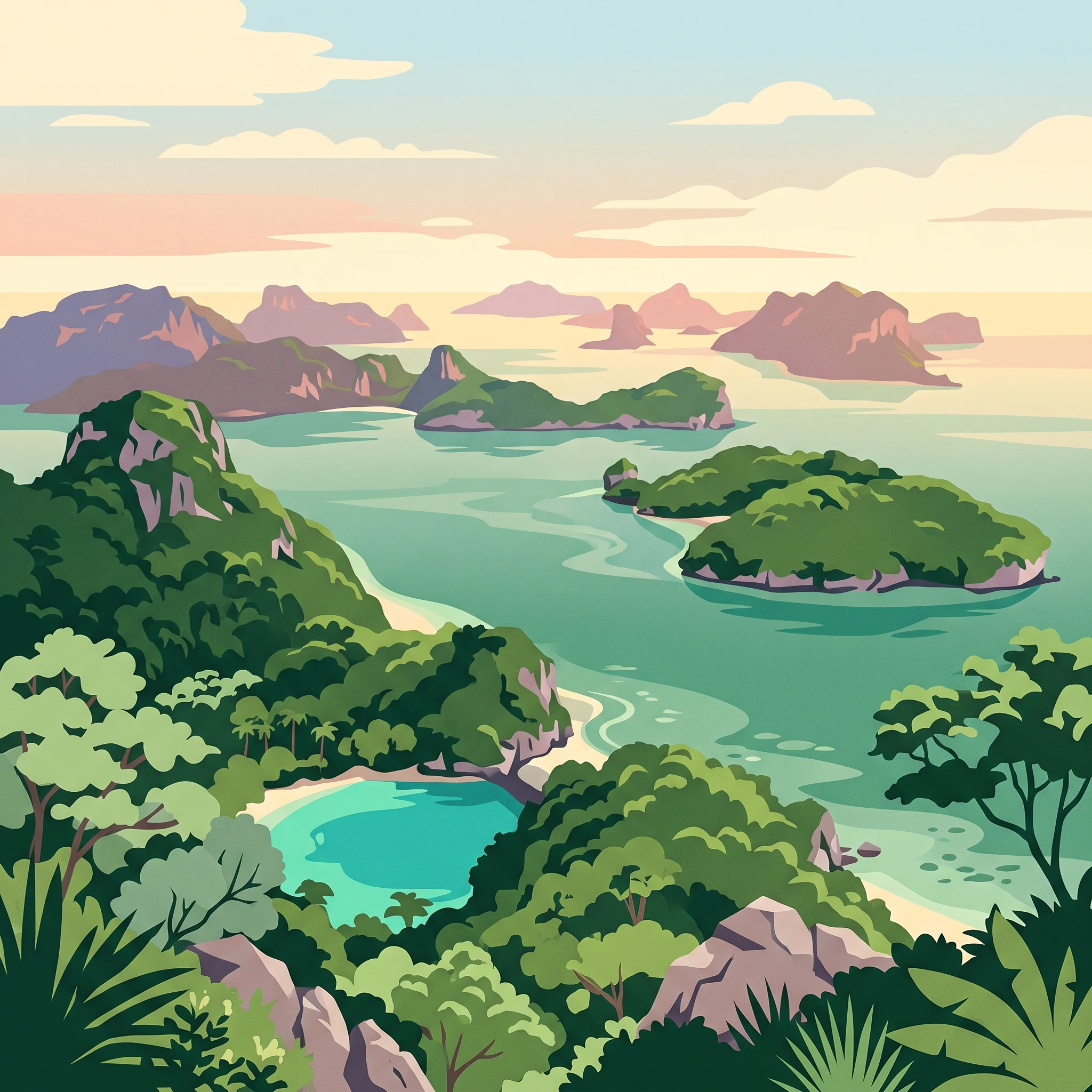
Mu Ko Ang Thong is best known for its pristine island archipelago setting with dramatic limestone karst formations, hidden lagoons, and secluded beaches. The marine park is distinguished by its shallow emerald waters, coral reefs, and the iconic Emerald Lake (Talay Nai) visible from viewpoint hikes on Ko Wua Talap. Visitors frequently cite the panoramic views from the park's elevated trails overlooking the scattered islands, as well as the snorkeling opportunities in the clear coastal waters surrounding the island group.
Mu Ko Ang Thong National Park history and protected-area timeline
Mu Ko Ang Thong was established as Thailand's 37th national park on 12 November 1980, marking a significant milestone in the country's marine conservation efforts during that period. The park's creation responded to increasing recognition of the ecological value represented by this island archipelago in the Gulf of Thailand, where coastal development pressures were intensifying. In 2002, the park received additional formal recognition through its designation as a Ramsar Wetland, joining the international convention's network of important wetland ecosystems. This designation specifically recognized the park's coastal and marine habitats, particularly the shallow water environments that support diverse ecological communities. The park's boundary includes the northern tip of Ko Phaluai, the largest island within the archipelago, ensuring protection extends to significant portions of the island's terrestrial and coastal ecosystems.
Mu Ko Ang Thong National Park landscape and geographic character
The physical landscape of Mu Ko Ang Thong is defined by its island archipelago setting in the shallow waters of the Gulf of Thailand. The islands feature characteristic limestone karst formations rising from the sea, creating dramatic cliffs, hidden caves, and distinctive rock shapes throughout the group. The terrain varies from the relatively flat surfaces of larger islands like Ko Phaluai to the steep, rocky profiles of smaller islets. The surrounding marine environment averages approximately 10 meters in depth, creating conditions suitable for coral reef development and seagrass communities. Beaches range from the long sandy stretches of Ao Phi on Ko Wua Talap to the small coves and rocky shores common throughout the islands. The park's islands support tropical vegetation including coconut palms, beach forests, and mangrove areas in sheltered coastal zones.
Mu Ko Ang Thong National Park ecosystems, habitats, and plant life
The ecological character of Mu Ko Ang Thong encompasses both terrestrial and marine habitats within a tropical island context. The islands support tropical deciduous forest ecosystems adapted to seasonal moisture patterns, with vegetation including palms, scrub, and emergent trees characteristic of coastal environments. The marine component represents the core ecological significance of the protected area, encompassing coral reef communities, seagrass beds, and the productive shallow water environments of the Gulf. These marine habitats support fish populations, invertebrate communities, and the overall biodiversity that led to the park's Ramsar designation. The wetland characteristics recognized under the Ramsar convention relate to the extensive shallow water areas, tidal zones, and coastal mangrove systems that combine to form a functional coastal ecosystem.
Mu Ko Ang Thong National Park wildlife and species highlights
The wildlife of Mu Ko Ang Thong reflects both the terrestrial island fauna and the marine species inhabiting the surrounding waters. Among the islands, bird species including various seabirds and shorebirds use the islands as nesting and feeding habitat. The surrounding marine environment supports reef fish communities, shellfish populations, and occasional marine mammals that transit through the Gulf waters. While specific species documentation in available sources is limited, the protected status of the marine area and the coral reef habitats provide sanctuary for numerous fish species and invertebrate groups. The small resident human populations on several islands have historically coexisted with these wildlife populations, with fishing forming part of the traditional livelihood in the broader region.
Mu Ko Ang Thong National Park conservation status and protection priorities
The conservation significance of Mu Ko Ang Thong derives from its dual protection of island terrestrial ecosystems and the surrounding marine environment within a single protected area framework. The Ramsar Wetland designation awarded in 2002 recognizes the park as a Wetland of International Importance, specifically acknowledging the coastal and marine wetland habitats that represent the core of the park's ecological value. This international recognition commits Thailand to maintaining the ecological character of the park's wetland components. The national park designation provides regulatory framework for managing visitor impacts, controlling development, and implementing conservation programs. The shallow marine waters averaging 10 meters depth support coral reef and seagrass communities that benefit from the protection from fishing and development pressures that would otherwise affect these vulnerable coastal ecosystems.
Mu Ko Ang Thong National Park cultural meaning and human context
The cultural context of Mu Ko Ang Thong reflects the traditional maritime communities that have inhabited the islands of the Gulf of Thailand for generations. The Thai name 'Ang Thong' meaning 'bowl of gold' likely derives from the visual impression of the islands viewed from the water, where the golden-brown limestone formations contrast with the blue sea. Several islands within the park support small resident populations, with Ko Phaluai hosting approximately 500 residents and Ko Nok Taphao accommodating around 200 inhabitants. These communities maintain connections to traditional fishing practices that have shaped the human use of this coastal marine environment over long periods. The park's establishment in 1980 introduced new regulatory frameworks for land and resource use while preserving the general character of the islands that local communities have long inhabited.
Top sights and standout views in Mu Ko Ang Thong National Park
Mu Ko Ang Thong offers visitors several distinctive experiences that define the park's appeal. The hike to the Emerald Lake viewpoint on Ko Wua Talap provides one of the archipelago's most celebrated vistas, where the enclosed lagoon with its vivid turquoise waters appears dramatically set among the surrounding island landscape. Snorkeling in the clear shallow waters around the islands reveals coral reef communities and diverse marine life accessible from numerous beach locations. The island-hopping opportunities between the 42 islands in the park allow visitors to experience varying scales of island character, from tiny rocky islets to the larger landmasses with their resident communities. The relatively undeveloped nature of most islands, combined with the protected status of the marine environment, creates conditions for a nature-focused island experience distinct from more heavily touristed destinations in the Gulf of Thailand.
Best time to visit Mu Ko Ang Thong National Park
The optimal period for visiting Mu Ko Ang Thong generally corresponds to Thailand's dry season, typically spanning from November through April. During these months, rainfall diminishes and sea conditions tend to be calmer, improving both accessibility by boat and underwater visibility for snorkeling activities. The park's location in the Gulf of Thailand means that the southwest monsoon season from approximately May through October brings increased rainfall and sometimes rougher sea conditions that may affect ferry services and boat travel between islands. Temperature patterns remain warm throughout the year given the tropical setting, though the dry months typically offer more comfortable conditions for hiking and outdoor activities. Visitors should note that peak tourist seasons around December and January may bring larger crowds to the popular islands, while shoulder season periods often provide a balance between favorable conditions and reduced visitor numbers.