Why Jabal Moussa Biosphere Reserve stands out
Jabal Moussa is best known for its exceptional biodiversity concentrated in a relatively small Mediterranean mountain ecosystem, supporting over 724 plant species, 25 mammal species, and more than 137 species of migratory and soaring birds. The mountain was designated a Globally Important Bird Area in 2009, recognizing its critical role in bird migration routes between Europe and Africa. The reserve is equally renowned for its archaeological wealth, with the Qornet el Deir site revealing continuous human occupation dating back to the Phoenician period and Bronze Age, interconnected with the Beqaa Valley and Mediterranean coast. Roman-era inscriptions, boundary markers, roads, and stairs survive throughout the mountain, many associated with Emperor Hadrian's declaration of the forests as imperial domain. The combination of ecological significance and historical depth makes Jabal Moussa one of Lebanon's most important protected areas.
Jabal Moussa Biosphere Reserve history and protected-area timeline
Jabal Moussa became part of the UNESCO Network of Biosphere Reserves under the Man and Biosphere program in 2009, joining a global network of protected areas that pioneer integrated approaches to conservation and development. However, human presence and protection of this mountain extend far deeper into history. The Roman Emperor Hadrian established boundary markers around the mountain's cedar, oak, cypress, fir, and juniper forests during his reign, declaring them his imperial domain and inscribing these declarations on rock faces that remain visible today. A network of Roman roads and stairs was constructed between 64 BC and AD 249, facilitating movement through the mountain while creating infrastructure that still shapes trail routes. The largest archaeological site, Qornet el Deir, has been the subject of excavations since 2017 that have revealed continuous occupation from the Bronze Age through Phoenician, Roman, Medieval, and Ottoman periods. In 2022, the U.S. Ambassador to Lebanon inaugurated the Hinterland Archaeological Heritage Project, funded by the U.S. Ambassadors' Fund for Cultural Preservation, to conserve and study the archaeological collection while connecting the various sites within the reserve.
Jabal Moussa Biosphere Reserve landscape and geographic character
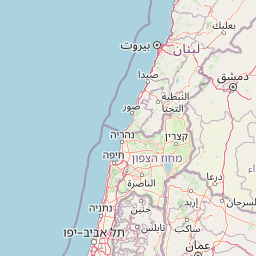
The landscape of Jabal Moussa Biosphere Reserve is defined by its steep slopes descending from the Mount Lebanon mountain range toward the Mediterranean coastal plain, creating dramatic topographical variation within a relatively compact area. The reserve rises from approximately 350 meters elevation in the northwest to about 1,700 meters in the southeast, with the terrain characterized by rocky ridges, forested valleys, and numerous springs that have historically supported village settlements. The mountain's limestone geology has produced rugged terrain with cliff faces and rock outcrops that bear archaeological inscriptions. Vegetation zones transition with altitude, with deciduous oak woodlands dominating lower slopes, transitioning to mixed forests of pine, fir, and juniper at higher elevations. The western aspect of the mountain provides views across the Mediterranean Sea, while the eastern slopes connect to the Beqaa Valley, historically creating a strategic corridor for trade and movement between the coast and the interior of Lebanon.
Jabal Moussa Biosphere Reserve ecosystems, habitats, and plant life
The ecological character of Jabal Moussa reflects its position in the eastern Mediterranean, a region recognized as a biodiversity hotspot due to its combination of climate, topography, and historical land use patterns. The reserve supports more than 724 documented flora species, a remarkable figure for an area of this size, reflecting the variety of habitats created by the elevation gradient and multiple aspect exposures. The Mediterranean climate brings wet, cool winters and warm, dry summers, with approximately 1,350 millimeters of annual rainfall concentrated in the winter months. At higher elevations, the peaks receive intermittent snowfall during winter that typically melts within a few days, creating brief but noticeable winter conditions. The forests of cedar, oak, cypress, fir, and juniper that historically covered the mountain remain ecologically significant, though land use pressure over centuries has shaped their current distribution. The reserve's ecological value is enhanced by its position along bird migration routes, with more than 137 migratory and soaring bird species recorded within its boundaries.
Jabal Moussa Biosphere Reserve wildlife and species highlights
Jabal Moussa supports a notable mammalian fauna including 25 species documented within the reserve, representing typical Mediterranean mountain fauna adapted to the varying elevation zones and forest types. The birdlife of the reserve is particularly significant, with the designation as a Globally Important Bird Area in 2009 recognizing the critical role the mountain plays in bird migration between European breeding grounds and African wintering areas. More than 137 species of migratory and soaring birds have been recorded, utilizing the thermal updrafts created by the mountain's topography during their seasonal movements. The forest habitats support both resident bird species and passage migrants, while the rocky terrain and traditional agricultural areas provide additional ecological niches. The biodiversity data for the reserve continues to be refined through ongoing research, with the UNESCO MAB program encouraging scientific monitoring that informs management decisions.
Jabal Moussa Biosphere Reserve conservation status and protection priorities
The designation of Jabal Moussa as a UNESCO Biosphere Reserve in 2009 recognized both its ecological significance and the presence of human communities whose livelihoods depend on sustainable use of natural resources. The biosphere reserve model specifically addresses the challenge of integrating conservation with human development, requiring management approaches that protect biodiversity while improving local livelihoods through sustainable practices. The Man and Biosphere program combines natural sciences with social sciences, economics, and education to achieve these integrated goals. The Important Bird Area designation in 2009 added another layer of recognition for the site's global significance in bird conservation. The ongoing archaeological research and heritage conservation projects, including the 2022 Hinterland Archaeological Heritage Project, demonstrate that conservation at Jabal Moussa extends beyond ecological systems to encompass the cultural landscape where nature and human history are inseparable.
Jabal Moussa Biosphere Reserve cultural meaning and human context
Jabal Moussa is remarkable for the depth of human history embedded in its landscape, with archaeological evidence demonstrating continuous occupation from the Bronze Age through Phoenician, Roman, Medieval, and Ottoman periods. The Phoenician settlement at Qornet el Deir appears to have served as an important node connecting the Beqaa Valley with the Mediterranean coast, reflecting the strategic importance of this mountain pass. Roman presence is strongly evident through preserved boundary markers inscribed by Emperor Hadrian, a network of roads and stairs, and the naming of trails such as Hadrian's Incline that persists to the present day. The seven villages within the reserve maintain traditional agricultural practices, including terraced cultivation, that have shaped the landscape over centuries. The reserve thus represents a cultural landscape where archaeological sites and active villages coexist within a protected area, demonstrating the possibility of integrating heritage conservation with living communities.
Top sights and standout views in Jabal Moussa Biosphere Reserve
The combination of ecological and archaeological significance makes Jabal Moussa distinctive among Mediterranean protected areas. The mountain supports exceptional biodiversity within a compact area, with over 724 plant species and 137 migratory bird species in a 65-square-kilometer reserve. The archaeological sites reveal continuous human presence from the Bronze Age, with Roman-era inscriptions and infrastructure still visible along hiking trails. The Qornet el Deir excavation has uncovered one of the largest archaeological sites in Lebanon, demonstrating the site's importance from antiquity through the Ottoman period. The integration of traditional villages within the biosphere reserve creates opportunities for cultural tourism and sustainable livelihoods. The fifteen hiking trails, including the historically named Hadrian's Incline, provide access to both natural and cultural attractions.
Best time to visit Jabal Moussa Biosphere Reserve
Jabal Moussa can be visited throughout the year, though the experience varies considerably by season. Spring, from March through May, brings wildflower blooms across the lower slopes and pleasant hiking conditions as temperatures warm from winter lows. This is also prime season for bird migration, with soaring birds utilizing the thermal currents rising from the mountain slopes. Summer months bring warm conditions at lower elevations but relatively comfortable temperatures at higher elevations where the reserve's forests provide shade. Autumn, particularly October and November, offers another excellent visiting period as summer heat diminishes and the landscape takes on autumn coloration. Winter brings cooler conditions and the possibility of snow at higher elevations, though snowfall typically does not persist for long. The Mediterranean climate means that summer hiking is possible but the warmest hours of midday should be avoided, while winter visits should be prepared for cold conditions at elevation.